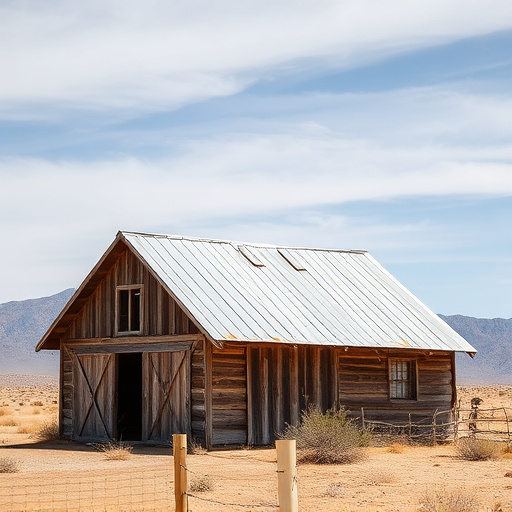
In the scorching sun of Oro Valley, metal roofing is more than just a stylistic choice-it's an investment in your home's longevity and energy efficiency. The challenge lies in protecting against intense desert heat, sudden monsoon storms, and the stringent building regulations, like those enforced by the Oro Valley Building Department and local Homeowners Associations (HOAs). This guide examines how standing seam metal roofs, with their innovative design and superior materials like Kynar-coated panels, excel in these conditions. We'll explore why these roofs reflect heat, withstand powerful storms, and navigate HOA approval, ultimately enhancing your home's value and protecting its most precious assets: your family and your investment.
- Understanding Metal Roofing's Advantage in Arid Climes
- How Metal Stands Up to Intense Desert Sunlight
- Monsoon Storms: A Test for Metal's Durability
- HOA Approval: Navigating Regulations for Metal Roofing
Understanding Metal Roofing's Advantage in Arid Climes
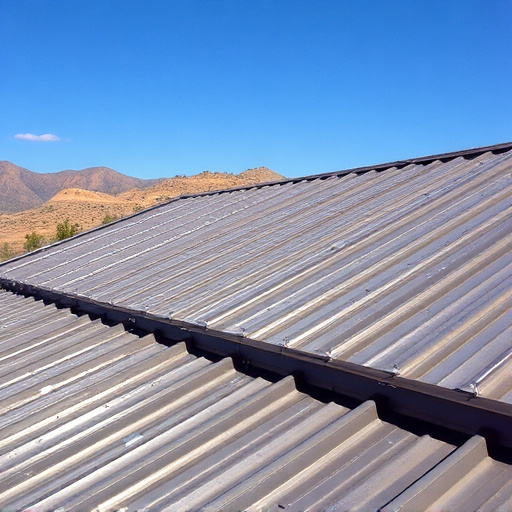
Metal roofing offers distinct advantages for arid climates like Oro Valley, where intense sun, high heat, and sudden monsoon storms are the norm. Understanding these benefits starts with how metal roofs interact with desert conditions. The reflective properties of metal help mitigate the heat absorption that contributes to the "urban heat island" effect, a phenomenon where paved and built-up areas hold onto heat, making cities warmer than their rural surroundings. This is especially important in Oro Valley, where the sun's rays can beat down on buildings for hours daily.
One key advantage is their durability against extreme weather. Unlike traditional materials, metal roofs are designed to withstand the rigors of monsoon storms, with reinforced panels and a superior fastening system. The popular standing seam profile, with its hidden fasteners, resists wind-driven debris and maintains integrity during heavy rainfall. This is crucial for Oro Valley, prone to sudden, intense downpours. The rigid structure minimizes the risk of leaks at laps and seams, a common problem with other roofing types.
When considering a metal roof, homeowners should be aware of local regulations and HOA architectural reviews. While many associations now accept metal roofing, strict guidelines may still exist. An experienced Oro Valley roof specialist can guide you through this process, ensuring your installation complies with local codes and HOA approvals. In fact, many modern homes in the region feature metal roofing due to its aesthetic appeal and long-term benefits. Another factor to consider is underlayment; synthetic underlayments, often combined with metal, offer superior protection against moisture intrusion and thermal expansion, a critical aspect in such extreme climates. The PVDF (polyvinylidene fluoride) coating on some metal panels provides enhanced resistance to UV rays and color fading, ensuring the roof maintains its appearance over time.
How Metal Stands Up to Intense Desert Sunlight
In the harsh, sun-baked environment of Oro Valley, Arizona, where intense desert sunlight and high heat are the norm, choosing the right roofing material is essential for both aesthetics and long-term performance. Metal roofing, specifically standing seam designs, offers a robust solution that not only withstands the rigors of the climate but also satisfies the stringent requirements of local Homeowners Associations (HOAs).
Standing seam metal roofs are engineered to handle the region's intense sunlight. The reflective surface of the metal helps to reduce heat absorption, minimizing the transfer of heat into the home. This is particularly beneficial during the hot summer months, where indoor temperatures can skyrocket without adequate sun protection. Unlike traditional roofing materials that can become hot to the touch, metal roofs remain cool, contributing to energy efficiency. This property is further enhanced by Kynar-coated panels, which offer superior heat reflection and a long-lasting, vibrant finish.
When considering a metal roof, homeowners in Oro Valley should know that certain types, like R-panel systems, are designed to withstand the unique challenges of desert environments. These panels are known for their high strength-to-weight ratio and impact resistance, making them suitable for regions prone to extreme weather. The Class A fire rating of many metal roofing products ensures compliance with local building codes and HOA architectural reviews. DC Roofing of Arizona, a licensed Oro Valley contractor, often recommends metal roofing for its durability and low maintenance requirements. With the right installation and proper maintenance, metal stands up to the intense desert sunlight, ensuring a home's structural integrity and aesthetic appeal for years to come.
Monsoon Storms: A Test for Metal's Durability
Monsoon storms, characterized by high winds and intense rainfall, pose a unique challenge to any roofing system. For metal roofing, these storms serve as a crucial test of durability and longevity. In the desert climate of Oro Valley, where monsoon seasons can be severe, a well-installed metal roof can provide superior protection for your home, offering peace of mind and safeguarding your investment.
Metal roofing materials, such as Galvalume, are designed to withstand extreme conditions. This alloy, a blend of zinc, aluminum, and silicon, exhibits excellent corrosion resistance, a key factor in the harsh desert environment. Metal roofing panels are built to expand and contract with temperature changes, a process known as thermal expansion. This inherent flexibility prevents damage from the intense heat of the desert sun and the subsequent cooling during monsoon storms. Unlike traditional materials, metal does not warp or crack under extreme conditions, ensuring a solid barrier against the elements.
During a monsoon storm, strong winds can create significant pressure differentials, potentially causing leaks at seams and laps in the roofing material. However, modern metal roofing techniques, including exposed and hidden fastener systems, are designed to combat these issues. A licensed roofing contractor serving Oro Valley and Marana will ensure proper installation, utilizing these advanced techniques to create a durable, leak-resistant system. Many local Homeowners Associations (HOAs) also approve of metal roofing due to its durability and low maintenance requirements, making it a smart choice for homeowners in this region.
Metal roofs offer a long-term solution for wildfire protection, a significant concern in arid climates like Oro Valley. The reflective nature of metal can reduce the risk of fire spread, and its resistance to heat and embers makes it a valuable asset in fire-prone areas. Regular maintenance, including checking for loose screws and inspecting for signs of rust or color fading, ensures your metal roof remains in top condition, providing protection for years to come.
HOA Approval: Navigating Regulations for Metal Roofing
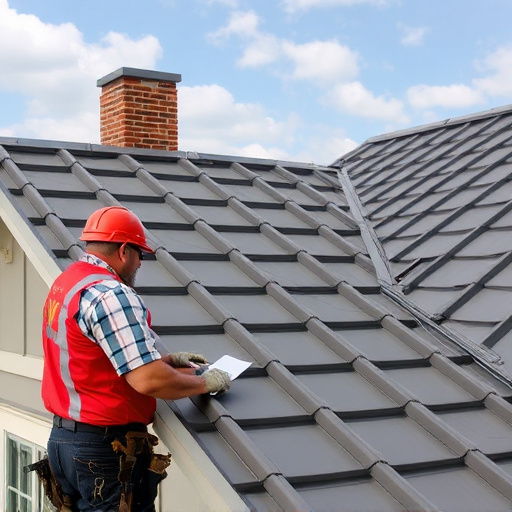
Navigating HOA Regulations for Metal Roofing in the Desert
In the arid climate of Oro Valley, Arizona, choosing a roof that can withstand the intense desert sun, scorching heat, and sudden monsoon storms is paramount. Metal roofing has emerged as a popular and durable option, offering both aesthetic appeal and long-term performance. However, for homeowners considering a metal roof, understanding and adhering to local Homeowners Association (HOA) regulations is essential. This is particularly true in Oro Valley, where strict building codes and aesthetic guidelines are in place to maintain the character of residential neighborhoods.
HOA approval for metal roofing is not merely about visual appeal; it involves addressing specific concerns related to fastening systems and potential maintenance requirements. One of the primary considerations is the method of fastening the metal panels-exposed fasteners or concealed clips. While exposed fasteners, like screws and rivets, provide a more traditional look, they can be more susceptible to damage from extreme weather conditions, including the powerful monsoon winds that sweep through Oro Valley each summer. In contrast, concealed clips, which are hidden beneath the roof's surface, offer better protection against the elements and may be more aligned with HOA standards focused on preserving the community's overall aesthetic.
A licensed Arizona roofer recommends that homeowners consult with their HOA and local building department early in the decision-making process. "Many HOAs have specific guidelines regarding metal roofing materials and installation techniques," explains the expert. "By understanding and meeting these requirements, you can avoid costly delays or even fines down the line." For instance, some HOAs may mandate the use of impact-resistant fastening systems or specific panel designs to ensure that the metal roof can withstand the region's unique weather patterns. Regular maintenance, such as inspecting and securing loose screws or clips, becomes even more critical in areas prone to strong winds and sudden storms.
By proactively engaging with HOA regulations and choosing a metal roofing system that aligns with both local codes and the community's aesthetic standards, homeowners in Oro Valley can enjoy the benefits of a durable, low-maintenance roof for years to come. This thoughtful approach ensures not only the safety and protection of the property but also maintains the harmony and value of the neighborhood.
Frequently Asked Questions About an explainer on how metal roofing handles desert sun, heat and monsoon storms
What is the advantage of metal roofing in a desert climate?
Metal roofing excels in desert environments due to its superior heat reflection and drainage properties. The reflective surface of metal mirrors sunlight away from the home, significantly reducing heat transfer and keeping interior spaces cooler. Metal roofing effectively sheds rain and snow, preventing water damage and ensuring quick drainage during monsoon storms. This makes metal roofing a smart choice for protecting homes in harsh desert climates.
How does metal roofing stay strong during intense heat?
Metal roofing is engineered to withstand extreme temperatures. The materials, typically high-grade aluminum or galvanized steel, are chosen for their strength and durability. Proper installation with adequate fastening ensures the roofing remains secure even under intense desert heat, preventing warping or deformation. The reflective surface helps maintain lower temperatures, reducing stress on the roofing material.
Can metal roofing handle monsoon storms?
Absolutely. Metal roofing is renowned for its resilience against harsh weather conditions, including monsoon storms. Its robust construction and tight sealing prevent water infiltration, ensuring your home stays dry. The durability of metal roofing also means it can withstand strong winds and heavy rainfall common during monsoon seasons, making it a reliable choice for desert residents.
Is metal roofing suitable for all desert environments?
Metal roofing is highly versatile and suitable for various desert environments. However, consider local conditions. In areas with extreme temperature fluctuations, using a reflective coating on the roofing can further enhance energy efficiency. Consult with a local expert like Eddies Garage Door Service to determine the best metal roofing options tailored to your specific desert climate and conditions.
How much does metal roofing cost compared to traditional options?
While metal roofing may have a higher upfront cost compared to traditional materials, its longevity and durability make it a cost-effective choice in the long run. Factors like material quality, installation complexity, and local market prices can influence costs. Most installations take one to two days, and a local Tucson garage door specialist can provide accurate quotes based on your specific project requirements.
Metal roofing stands out as a superior choice for desert environments, offering a robust defense against the region's unique challenges. Intense desert sunlight, characterized by its high UV levels and heat, demands a resilient material that can prevent premature fading and degradation. Metal's ability to reflect heat is a key advantage, significantly reducing the interior temperature of homes and potentially lowering energy costs. When faced with monsoon storms, metal's durability becomes evident. The powerful rain and strong winds that accompany these storms put roofs to the test, but metal's strength and flexibility ensure it withstands the onslaught.
Understanding these benefits, many homeowners and local authorities are embracing metal roofing. However, for those in areas with strict regulations, such as those governed by Homeowners Associations (HOA), seeking HOA approval for metal roofing is essential. This approval process ensures that metal roofing installations comply with community guidelines, maintaining the aesthetic and structural integrity of the neighborhood.
Metal roofing provides a lasting solution for desert climates, offering both functionality and aesthetic appeal. By recognizing its unique advantages and navigating any regulatory requirements, including HOA approval for metal, residents can secure a robust, long-lasting roof that complements their desert home.
In Oro Valley, Arizona's arid climate demands durable, weather-resistant roofing. Metal roofing, like standing seam designs, excels due to its reflective surface mitigating heat gain, superior fastening systems resisting wind damage, and rigid structure minimizing leaks. HOA approval is crucial; strict guidelines exist, but many associations accept metal roofing with proper installation and maintenance. For optimal performance, choose materials like Kynar-coated panels for UV resistance, and Galvalume for corrosion resistance. Regular maintenance, adhering to HOA regulations, ensures long-term protection against extreme weather conditions.