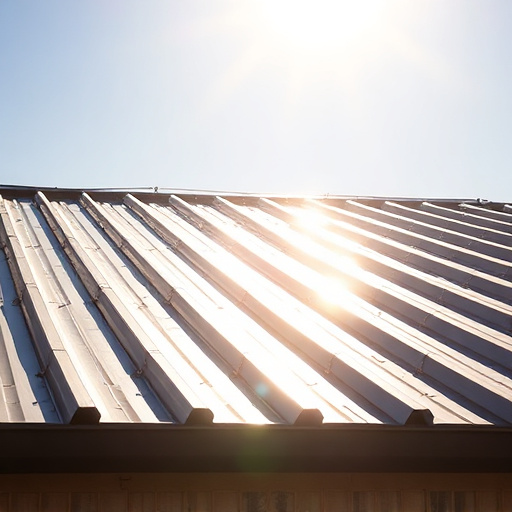
In the harsh desert climate of standing seam, the sun's heat can be intense, and monsoon storms bring both relief and destructive potential. Traditional roofing materials often fall short in these conditions, leading to premature wear and tear, and even structural damage. Here, metal roofing emerges as a robust solution, designed to withstand the extreme temperatures and harsh weather patterns characteristic of this region. We'll examine how metal roofs, particularly standing seam and stone coated steel panels, offer superior protection for homes, including modern designs and even barns and casitas, compared to corrugated metal roofing or more traditional materials.
By understanding the unique challenges of the desert environment, from heat reflection to water management, we'll explore why metal roofs have become a preferred choice for local homeowners and building departments alike. This article promises practical insights for anyone considering a metal roof, aiming to equip readers with the knowledge to make informed decisions for their Oro Valley property.
- Metal Roofs: Defending Against Desert Sun's Fury
- Heat Resistance: A Key Metal Roof Benefit
- Monsoon Storm Protection: Design and Installation
- Longevity and Low Maintenance: Metal Roofs' Legacy
Metal Roofs: Defending Against Desert Sun's Fury
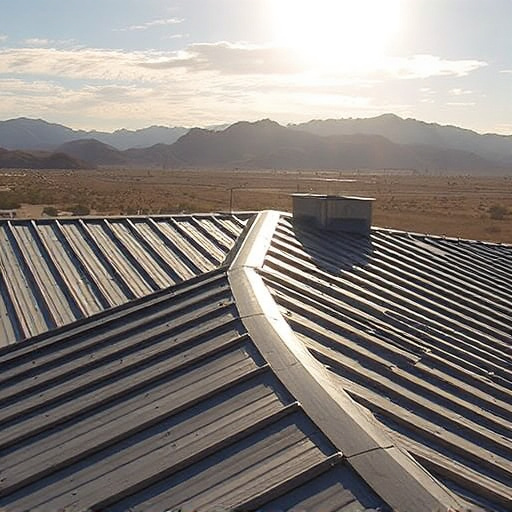
The desert sun's relentless heat and intense sunlight can take a toll on any roofing material. But for enduring the harsh conditions of Oro Valley's desert environment, metal roofs stand out as a superior choice. Especially designed to resist the unique challenges posed by the desert climate, metal roofing offers exceptional performance and longevity, making it an ideal option for not just modern homes, but also traditional barns and casitas.
Metal roofs, like R panels and Galvalume, are engineered to reflect a significant portion of the sun's heat, significantly reducing the interior temperature of buildings. This heat reflection property is crucial for several reasons. Firstly, it minimizes the load on cooling systems, leading to lower energy bills for homeowners. Secondly, it helps maintain the structural integrity of the building by preventing excessive heat expansion and contraction, a common issue with traditional materials.
One of the key design features contributing to the durability of metal roofs is the use of exposed or hidden fasteners, depending on the system. These fasteners ensure that the panels are securely fastened, withstanding the powerful winds and intense storms that often accompany monsoon seasons in Oro Valley. Licensed Oro Valley area roofing contractors recommend metal roofs over existing roofs or for new constructions, as their flexibility allows for easier installation and better protection against leaks at metal panel laps, a common issue with other materials. The robust nature of metal, especially when coated with Kynar, also provides excellent resistance against rust and hail damage, further enhancing the longevity of the roof.
Heat Resistance: A Key Metal Roof Benefit
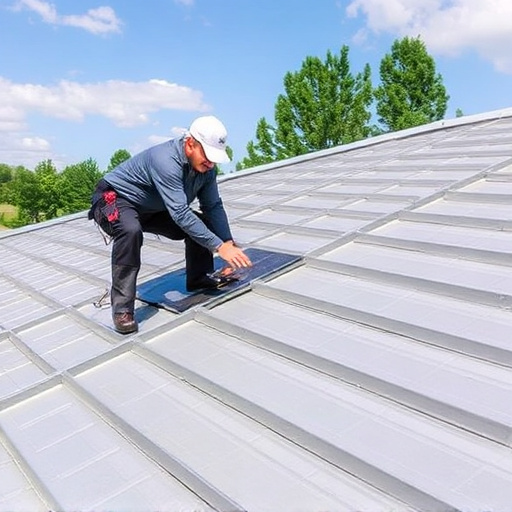
In the scorching desert sun, heat can be a significant challenge for any roofing material. This is where metal roofs shine, offering superior heat resistance compared to traditional shingles. When you live in Oro Valley, where monsoon winds and high temperatures are common, choosing a roof that can handle these conditions is crucial. A licensed Oro Valley area roofing contractor often recommends metal as a top choice for such climates.
Metal roofs, especially standing seam varieties, are designed to reflect heat, not absorb it. This reflective property helps keep homes cool, reducing the need for excessive air conditioning. Kynar-coated panels, a popular choice, have excellent heat reflection capabilities, ensuring your home remains comfortable during the hottest parts of the year. The construction of metal roofs includes specific design elements like ridge vents that facilitate better airflow, further enhancing the structure's ability to dissipate heat.
For extreme weather, metal roofs for barns and casitas have proven their worth. They can withstand not only the intense heat but also the powerful monsoon winds that sweep through Oro Valley. The rigid nature of metal panels and their ability to maintain a tight seal, even after years of exposure, make them resistant to leaks caused by strong winds and heavy rainfall. Unlike traditional roofs that might struggle with such conditions, metal roofs provide a reliable, long-lasting solution, making them a preferred choice for local homeowners and architects designing desert-friendly structures.
Panel gauge, a measure of thickness, plays a role in metal roof performance too. Thicker panels (higher gauge) offer superior strength and longer lifespans. When considering a metal roof, ensure the panels are of a suitable gauge for your region's demands, especially in a climate like Oro Valley's. This small detail can significantly impact the roof's overall durability and resistance to the elements, including intense sun and storms.
Monsoon Storm Protection: Design and Installation
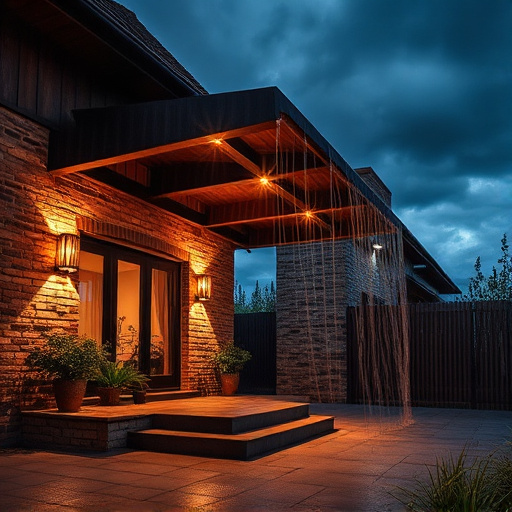
Monsoon storms in the Oro Valley area can be intense, posing significant challenges to any roofing system. Metal roofs, specifically designed for harsh climates, offer a superior solution for protecting homes, especially historic structures like barns and casitas. When choosing a roofing material for this region, a roofer with an Arizona ROC license recommends considering metal roofing's unique advantages during monsoon seasons.
One of the key benefits of metal roofs for barns and casitas is their durability against the elements. The standing seam design, a common metal roofing style, is engineered to resist intense wind and rain. Each panel is securely fastened with hidden fasteners, minimizing the potential for damage from strong winds, a common occurrence during monsoon storms. The PVDF (polyvinylidene fluoride) coating on metal panels provides exceptional protection against corrosion and UV damage, ensuring the roof's longevity. A local roofing contractor serving Oro Valley and Marana has successfully installed metal roofs on historic casitas, protecting them from the region's harsh weather.
Thermal expansion is another critical factor during monsoon storms. Metal, like any other material, expands and contracts with temperature changes. The right metal roofing system accounts for this, ensuring no damage or leaks occur. R-panel systems, known for their strength and flexibility, are an excellent choice for monsoon-prone areas. These panels are designed to handle thermal expansion and contraction, making them a reliable option for challenging weather conditions. By understanding these technical aspects, homeowners can make informed decisions when considering a metal roof for their Oro Valley property, ensuring it withstands the tests of time and weather.
Longevity and Low Maintenance: Metal Roofs' Legacy
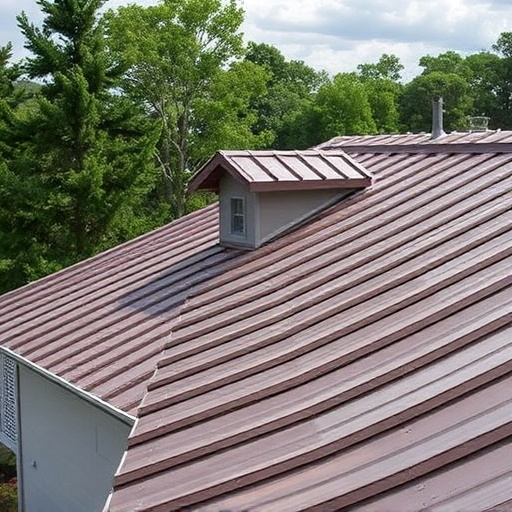
Metal roofing offers a lasting solution for homes in arid climates like Oro Valley's desert environment. When properly installed and maintained, these durable materials can outlast traditional roofing options, making them an excellent investment for any homeowner. This longevity translates to reduced replacement costs and less frequent repairs, a significant advantage for a region prone to extreme heat and unpredictable weather patterns.
Standing seam metal roofs, for instance, are renowned for their resistance to intense sunlight and heat. The reflective nature of the metal helps dissipate heat, keeping the home cooler inside. This is especially beneficial during the sweltering summer months. Metal roofing is highly resistant to damage from hail, a common occurrence in monsoon storms. Unlike other materials, metal is less prone to cracking or breaking under the force of hailstones, ensuring your roof remains intact and secure.
Consider the example of a local roofing company serving Oro Valley that has successfully installed metal roofs on various properties, including barns and casitas. Their experience has shown that corrugated metal panels, known for their strength and versatility, can withstand the rigors of desert storms. The use of exposed or hidden fasteners, chosen based on the specific panel and installation method, further enhances the roof's integrity. Regular maintenance, such as inspecting for loose screws and repainting as needed, ensures the metal roof remains in top condition, extending its already impressive lifespan.
Frequently Asked Questions About an explainer on how metal roofing handles desert sun, heat and monsoon storms
What makes metal roofing particularly suited for desert environments?
Metal roofing excels in desert conditions due to its superior heat resistance and durability. Unlike traditional materials, metal doesn't absorb as much heat from the intense desert sun, reducing the amount of heat transferred into the home. Its reflective properties also help bounce sunlight away, minimizing the heat gain. This makes metal roofing an energy-efficient choice, keeping homes cooler and reducing cooling costs.
Can metal roofing withstand the extreme heat of a desert summer?
Absolutely. Metal roofing is engineered to handle high temperatures. The materials, such as aluminum or steel, have a high melting point, ensuring they don't warp, crack, or become vulnerable to fire as other materials might. This longevity is crucial in regions with scorching summers, where roofing materials are constantly exposed to intense heat.
How does metal roofing protect against monsoon storms?
Metal roofing provides excellent protection against monsoon storms thanks to its seamless design and strong fastening systems. The seamless construction prevents water leakage at joints, a common issue with shingled roofs. Metal roofing is secured with strong screws or nails, offering superior wind resistance during intense storms. This makes it a reliable choice for areas prone to sudden, heavy rainfall.
Is metal roofing a fire-safe option in desert regions?
Yes, it is. Metal roofing is inherently fire-resistant. Most metal roofing materials, such as aluminum, have a natural resistance to fire due to their high melting point. In desert regions, where wildfires are a significant concern, this fire safety feature is invaluable.
How does metal roofing perform over time in desert environments?
Metal roofing is known for its longevity in desert settings. With minimal maintenance, it can last for decades. Its resistance to rot, mold, and pests, common in humid environments, ensures a long-lasting and reliable roof. The durability of metal means it won't need frequent replacements, making it a cost-effective choice in the long run.
Are there any specific maintenance requirements for metal roofs in desert climates?
Minimal maintenance is a significant advantage of metal roofing. In desert climates, it typically requires only an occasional cleaning to remove dust buildup. However, regular inspection is essential to check for any signs of damage, especially after severe storms. Simple cleaning and occasional checks are usually sufficient, making metal roofing a low-maintenance option.
As we've explored, metal roofs, with their standing seam design, offer a robust defense against the unique challenges posed by the desert sun, extreme heat, and intense monsoon storms that characterize standing seam's climate. From heat resistance that keeps homes cooler and reduces energy costs, to robust protection against hail, leaks, and wildfire embers, these structures stand strong.
Key takeaways include the importance of proper installation, adherence to local building codes, and the use of high-quality materials like Kynar-coated panels for superior durability. Understanding panel gauge and choosing a qualified installer are crucial for ensuring longevity, as are regular maintenance practices.
For those considering metal roofs for their Oro Valley barn or casita, the benefits are clear: long-lasting protection, low maintenance, and a significant boost in property value. By embracing the power of metal roofing, homeowners can safeguard their investments and enjoy the peace of mind that comes with a durable, resilient roof.
Metal roofs excel in Oro Valley's desert climate, offering superior heat resistance, durability, and storm protection. They reflect sunlight, minimize energy use, and withstand intense heat and winds. For barns and casitas, standing seam metal roofs with Kynar coating provide exceptional resistance to rust, hail, and extreme weather, ensuring longevity and reliable protection. Choosing the right gauge and installation method, guided by experienced local roofing contractors, maximizes metal roofs' performance and value.