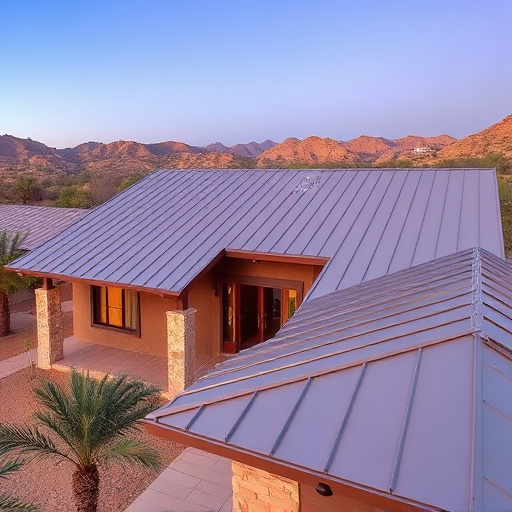
In the arid landscape of standing seam, the choice of roofing material can significantly impact energy efficiency and home protection. Metal roofs, with their durable and low-maintenance nature, have gained popularity among modern desert, ranch, and barn-style homeowners. However, selecting the right type, understanding installation nuances, and addressing specific concerns like noise in rain and rust prevention, can be overwhelming. This guide offers a comprehensive roadmap to navigating the world of metal roofs, focusing on standing seam options, installation best practices, and crucial maintenance details, including expert insights on metal roof flashing details, to ensure a secure and long-lasting solution for your Oro Valley home.
- Understanding Metal Roofs: Benefits and Styles for Arizona Homes
- Choosing the Right Metal: Materials Guide for Desert Climes
- Installation Process: Step-by-Step for a Solid, Long-Lasting Metal Roof
- Flashing Details: Ensuring Watertightness and Longevity on Your Metal Roof
Understanding Metal Roofs: Benefits and Styles for Arizona Homes
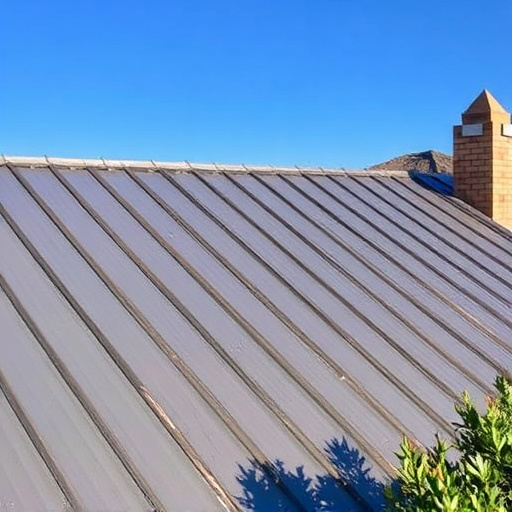
Metal roofs have gained popularity in the Oro Valley region, particularly for modern desert, ranch, and barn-style homes. This trend is driven by their durability, low maintenance, and unique aesthetic appeal. When considering a metal roof, homeowners should understand the benefits and various styles available, especially in a region prone to intense monsoon winds and occasional lightning.
One of the most significant advantages of metal roofs is their longevity. A licensed Arizona roofer will attest to the fact that metal roofing can last for several decades with proper maintenance. Stone coated steel panels, a popular choice, are known for their resistance to rust and corrosion, ensuring a long-lasting finish. The material's flexibility allows it to withstand the region's extreme weather conditions, including high winds, without compromising structural integrity. Metal roofs offer superior heat reflection, which can lead to significant energy savings during the hotter months, aligning with the region's commitment to energy-efficient homes.
When designing a modern desert home, metal accents on tile roofs can add a contemporary touch while maintaining the overall aesthetic of the landscape. For barns and casitas, a more industrial look can be achieved with corrugated metal roofing, a cost-effective and durable option. For installation, standing seam metal roofs are known for their low maintenance and water resistance. The intricate locking seams create a watertight barrier, and the panels can be designed to expose or hide these fasteners, offering a clean, streamlined appearance. To ensure optimal performance, homeowners should pay close attention to metal roof flashing details, especially around vents and penetrations, which are vulnerable to leaks.
Lightning protection is another critical consideration in regions like standing seam. While metal is an excellent conductor, ensuring proper grounding and the use of approved connectors can minimize the risk of damage during lightning strikes. Homeowners should consult with local roofing contractors familiar with the building codes and requirements to implement an effective lightning protection system. By understanding these aspects, homeowners can make informed decisions, ensuring their metal roofs provide both functionality and aesthetic appeal for years to come.
Choosing the Right Metal: Materials Guide for Desert Climes
When selecting a metal roof for your Oro Valley home, the material choice is a critical decision, especially for desert climates. The right metal can enhance the aesthetics, durability, and energy efficiency of your modern ranch or barn-style home. Let's examine the factors that determine the ideal metal for your desert oasis.
For desert environments, the primary concern is the material's ability to reflect heat and withstand extreme temperatures. Kynar-coated panels, for instance, are a popular choice due to their superior heat reflection properties. This coating not only keeps your home cool but also reduces energy costs associated with air conditioning. Metal roofs are known for their longevity, often boasting a lifespan of 30-50 years or more. However, thermal expansion can be an issue; certain metals expand and contract with temperature changes, which might impact the integrity of the roof over time. Therefore, selecting a metal with the right panel gauge, like 24 or 26 gauge, can ensure flexibility and resistance to damage.
One key consideration is the fastening system. Exposed versus concealed clips offer different aesthetics and levels of protection. Exposed clips, while providing a more industrial look, might be more susceptible to damage from extreme weather conditions. In contrast, concealed clips offer a cleaner, more modern appearance and better protect against elements like hail and lightning. A licensed Oro Valley area roofing contractor can guide you in choosing the right fastening system based on your home's design and local weather patterns. When installed correctly, metal roofs can be incredibly durable, especially when paired with proper metal roof flashing details, which ensure water tight integrity and protect against leaks at metal panel laps.
Regular maintenance is also crucial, as metal roofs can be prone to rust, especially if not properly coated. Regular cleaning and inspections can extend the lifespan of your metal roof. Removing desert dust and debris can prevent oxidation and ensure the long-lasting beauty of your roof. Choosing the right metal for your desert clime involves considering thermal expansion, fastening systems, and maintenance needs to ensure a durable, energy-efficient, and aesthetically pleasing roof.
Installation Process: Step-by-Step for a Solid, Long-Lasting Metal Roof
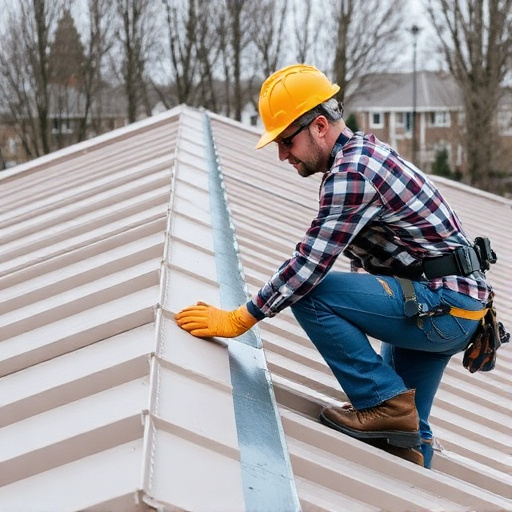
The installation process for a metal roof is a critical step in ensuring a solid, long-lasting protection for your Oro Valley home. When done correctly, it enhances the curb appeal and structural integrity of your property, especially in the challenging desert climate. Here's a step-by-step guide to help you understand the process and its key components, including the essential metal roof flashing details.
First, prepare the roof surface by thoroughly cleaning and inspecting it. This involves removing any debris, ensuring the area is dry, and addressing any existing issues like damaged shingles or leaks. For a smooth transition to the new metal roof, it's crucial to evaluate the condition of the underlayment and sheathing. DC Roofing of Arizona, a licensed local roofer, emphasizes the importance of a solid base, as this forms the first line of defense against the elements. Once ready, install the underlayment membrane, following the manufacturer's guidelines and the Oro Valley Building Department's codes.
Next, the actual metal roof installation begins with the placement of the standing seam panels. These panels, often made of stone coated steel or Galvalume, are secured with hidden fasteners, ensuring a clean, modern look. The panels are tightly fitted together, creating a seamless, durable roof. A key aspect of the installation is managing the thermal expansion and contraction of the metal, especially in the desert's extreme temperatures. Proper flashing details, including valley, ridge, and edge flashing, are then incorporated to seal any potential entry points for water. This step is vital to prevent leaks at metal panel laps, a common issue in regions with significant temperature fluctuations.
Throughout the installation process, attention to detail is paramount. Ensuring the right panel gauge (thickness) for your climate and home's design load is crucial. Properly chosen panels, coupled with expert installation, will provide a roof that not only withstands the harsh desert conditions but also offers a competitive metal roof lifespan-often exceeding 50 years-and enhances your home's value. Remember, the process requires specialized knowledge, which is why engaging a licensed, experienced roofing contractor like DC Roofing of Arizona is essential.
Flashing Details: Ensuring Watertightness and Longevity on Your Metal Roof
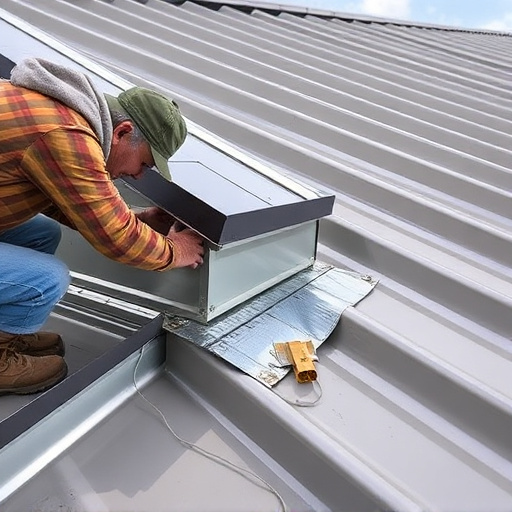
Metal roof flashing details play a critical role in ensuring your standing seam metal roof provides years of watertight protection. Proper flashing, designed to direct water away from the roof's edges and vulnerable points, is essential for preventing leaks, especially in the harsh desert climate. An experienced Oro Valley roof specialist knows that flashing must be installed with meticulous attention to detail, following the contours of the roof and integrating seamlessly with the metal panels.
There are several types of flashing used in metal roofing, each serving a specific function. Step flashing, installed in valleys and around chimneys, prevents water from seeping behind the main roof panels. Counter flashing, placed beneath the main flashing, provides an extra layer of protection. Neoprene washers, often used in conjunction with flashing, seal joints and prevent water intrusion at points where the metal roof meets other materials, like chimneys or vents. In areas prone to hail, stone coated steel panels offer extra reinforcement, with their durable exterior finish protecting against impact damage.
Proper installation of metal roof flashing details requires skill and experience. Improperly installed flashing can lead to costly leaks and damage. The Oro Valley Building Department provides guidelines and regulations for flashing installation, often requiring specific techniques and materials to ensure longevity. Homeowners should also consider the local environment, including potential for extreme weather events like hailstorms, when choosing a roofing material and flashing type. Regular maintenance, including inspecting and replacing worn or damaged flashing, is crucial for preserving the roof's watertightness and extending its lifespan.
Frequently Asked Questions About a Guide to Metal Roofs on Modern Desert, Ranch and Barn Style Homes
What are the key benefits of installing a metal roof on a desert, ranch, or barn-style home?
Metal roofs offer numerous advantages for these architectural styles, particularly in arid climates. They provide superior durability, resisting intense sunlight and high winds. Their low maintenance requirements, resistance to rot and pests, and ability to reflect heat can significantly reduce energy costs. Metal roofs often have longer lifespans than traditional materials, enhancing the home's value. For desert homes, they can also help mitigate the risk of fire, a common concern in these regions.
How do metal roofs fare in extreme desert weather conditions?
Metal roofs are specifically designed to withstand harsh weather conditions, including desert heat and cold nights. Their reflective properties help manage temperature fluctuations, keeping homes cooler in the summer and warmer in the winter. The strong, rigid nature of metal makes it resistant to wind damage and flying debris, crucial in areas prone to severe storms.
Are metal roofs suitable for all desert, ranch, and barn structures?
While metal roofs are a popular choice, they may not be the best option for every structure. Factors like the building's age, design, and local building codes should be considered. Older homes might require specialized repairs to integrate metal roofing seamlessly. It's always best to consult with a licensed roofer who can assess the specific needs and constraints of each project.
What styles or designs of metal roofs are most common for these types of homes?
Modern desert, ranch, and barn-style homes often feature standing seam metal roofing. This style's clean, low-profile look complements the rustic and contemporary aesthetics of these homes. It's known for its durability and ease of maintenance. Other popular designs include flat metal roofs with hidden fastening systems for a sleek appearance, and more traditional pitched roofs that enhance architectural character.
How long does the installation process typically take?
Most metal roof installations take one to two days, depending on the size and complexity of the project. This includes removing the old roof, preparing the substrate, installing underlayment, and placing the metal panels or shingles. A licensed contractor will provide a detailed estimate and timeline for each project.
Standing seam metal roofs offer a durable, low-maintenance solution for modern homes in the Oro Valley desert climate. By understanding the material options, installation processes, and key components like metal roof flashing details, homeowners can make informed decisions. This guide has provided insights into the benefits, styles, and practical considerations, ensuring a solid, long-lasting metal roof that enhances energy efficiency and property value. The next steps for homeowners considering a metal roof include consulting local authorities, engaging experienced installers, and selecting the right materials to withstand the unique challenges of the Oro Valley environment. With proper care and maintenance, these roofs can provide decades of reliable protection, making them a valuable investment for any modern home.
Metal roofs offer desert, ranch, and barn-style homes in Oro Valley durability, low maintenance, and aesthetic appeal. Longevity is a key advantage, with materials like stone coated steel panels resisting rust and corrosion. Standing seam metal roofs, with their watertight locking seams, are low maintenance and weather resistant. Lightning protection is crucial in regions like Oro Valley; proper grounding and connectors minimize damage.
When selecting a metal roof, consider:
- Thermal expansion: Choose a panel gauge (thickness) suitable for your climate.
- Fastening system: Exposed or concealed clips offer different aesthetics and protection levels.
- Maintenance: Regular cleaning and inspections prevent rust and extend lifespan.
The installation process involves:
- Roof preparation: Cleaning, inspecting, and repairing the underlayment and sheathing.
- Underlayment membrane: Install according to manufacturer guidelines and building codes.
- Metal panel installation: Secure panels with hidden fasteners for a clean look.
- Metal roof flashing details: Integrate flashing seamlessly to prevent leaks and water intrusion.
Proper flashing, including step flashing, counter flashing, and neoprene washers, is vital for watertightness. Experience and skill are essential for meticulous installation.