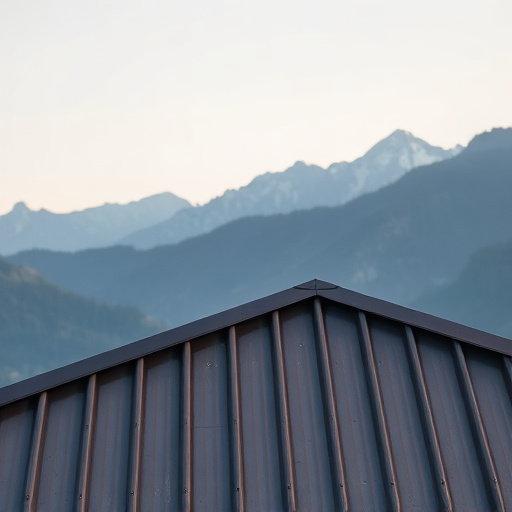
In the scorching desert sun of standing seam, metal roofing has emerged as a vital defense for homeowners and businesses. The region's extreme heat and unpredictable monsoon storms demand roofing solutions that can withstand the elements, offering both durability and energy efficiency. This is where metal roofs, especially the standing seam variety, excel. By employing a robust metal roof underlayment and sophisticated design, these roofs provide superior protection against intense sunlight, heavy rainfall, and potential hail damage. This article examines how these features ensure the longevity and resilience of metal roofing in challenging desert environments, offering a practical guide for property owners and contractors alike.
- Metal Roofs: Reflecting Desert Sun's Heat
- Protecting Against Monsoon Storm Damage
- The Role of Underlayment in Metal Roofs
- Long-Term Performance in Harsh Conditions
Metal Roofs: Reflecting Desert Sun's Heat
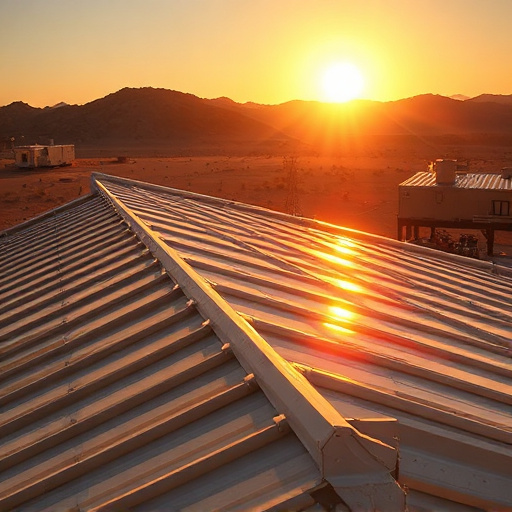
In the scorching desert sun, the choice of roofing material plays a pivotal role in mitigating heat absorption and maintaining a comfortable indoor temperature. This is where metal roofing excels, particularly the standing seam variety, which is designed to reflect the sun's intense radiation. The reflective properties of metal roofs are a key advantage over traditional materials, helping to keep homes cool and energy-efficient, a priority in the Oro Valley climate.
Standing seam metal roofs are engineered with a smooth, polished surface that reflects a significant portion of the sun's heat, reducing the amount transferred to the building structure. This effect is particularly notable with Kynar 500-coated panels, known for their exceptional heat reflectivity. By minimizing heat transfer, these roofs contribute to lower cooling costs during the hot summer months, a significant benefit in a region where energy-efficient homes are encouraged and supported by local initiatives like the Energy Efficient Homes Program.
The reflective nature of metal roofing can also play a role in lightning safety. Lightning strikes are a real concern in desert regions, and a metal roof's ability to reflect lightning energy can help protect the structure and its occupants. This is achieved through proper installation practices, including a well-chosen metal roof underlayment that enhances overall protection without compromising the reflective properties. An experienced Oro Valley roof specialist will ensure that all panels are securely fastened with hidden fasteners, eliminating exposed hardware that could become a focal point for lightning strikes.
The choice of panel gauge is another critical factor in metal roofing's performance. Thicker panels, with a higher gauge (e.g., 24 or 26 gauge), offer increased strength and durability, ensuring that the roof can withstand the extreme conditions of desert storms and the relentless sun. This attention to detail, from material selection to installation, is crucial for any homeowner looking to invest in a long-lasting, energy-efficient solution for their Oro Valley property, all while navigating the unique challenges of the local climate.
Protecting Against Monsoon Storm Damage
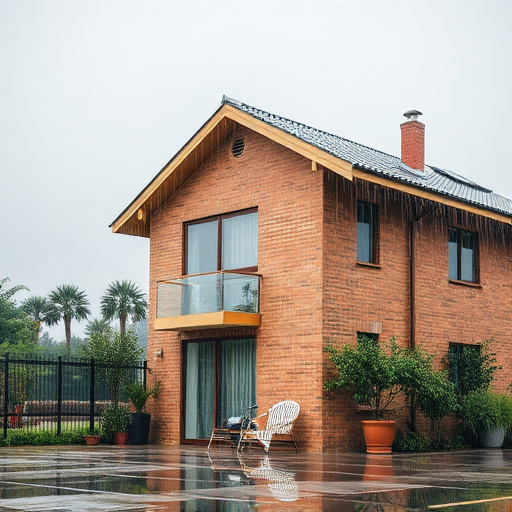
Monsoon season in Oro Valley brings intense weather patterns, including heavy rainfall and powerful winds. These storms can cause significant damage to homes, especially those with traditional roofing materials. However, metal roofing offers superior protection against monsoon storms thanks to its robust design and advanced underlayment systems.
When selecting a roofing material for the Oro Valley climate, a licensed Oro Valley area roofing contractor often recommends metal as a top choice. Metal roofs, such as Galvalume, are engineered to withstand extreme conditions. The exposed fasteners used in metal roofing are securely embedded, providing a strong connection that can resist high winds. Unlike traditional shingles, metal panels are less prone to lifting or tearing during storms, ensuring the structural integrity of your home.
The real strength lies in the underlayment. A high-quality metal underlayment acts as a secondary barrier against moisture and water damage. It provides an additional layer of protection against leaks at metal panel laps, a common issue with other roofing materials. In Rancho Vistoso, where monsoon storms are frequent, this underlayment system has proven invaluable. It allows for the expansion and contraction of metal due to thermal changes, preventing rust and loose screws. By investing in a metal roof with a robust underlayment, homeowners can significantly reduce the risk of water infiltration and costly repairs.
Proper installation and maintenance are key to maximizing the lifespan of your metal roof. A licensed contractor will ensure the panels are correctly aligned and fastened, with a detailed flashings system that seals the edges. Regular inspections can catch any signs of wear and tear, including color fading or rust, early on. By understanding the unique benefits of metal roofing and choosing a qualified installer, Oro Valley residents can protect their homes and assets during the intense monsoon seasons.
The Role of Underlayment in Metal Roofs
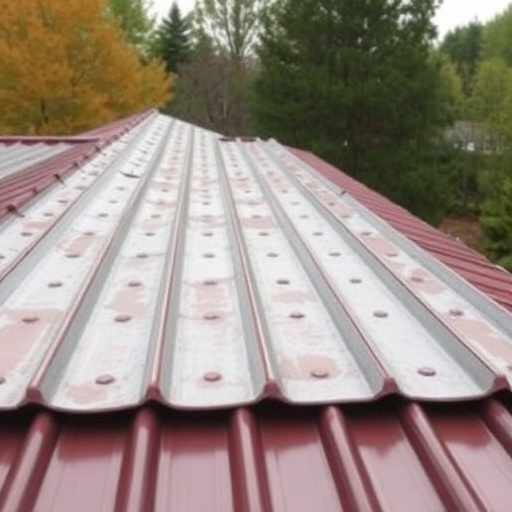
In the harsh desert climate of Oro Valley, a metal roof's performance is heavily influenced by the choices made at installation, especially for the metal roof underlayment. Underlayment, a crucial barrier between the metal panels and the structure below, matters in protecting against moisture, heat transfer, and other environmental stressors, all of which can be amplified by the intense desert sun and monsoon storms.
A quality synthetic underlayment is essential for Oro Valley homes. Unlike traditional paper-based underlayments, synthetic options like polypropylene or polyethylene offer superior durability and resistance to water penetration. These materials are designed to expand and contract with the metal panels during extreme temperatures, minimizing the risk of thermal expansion cracks that can lead to leaks. A local roofing company serving Oro Valley may recommend a high-quality underlayment with a minimum of 30-year resistance to water damage, ensuring a long-lasting defense against monsoon-driven flooding.
Effective ventilation is another key component. A well-designed ridge vent, strategically placed along the roof's peak, promotes air circulation, reducing heat build-up beneath the metal panels. This is crucial in the desert heat, where temperatures can soar. The thermal expansion of metal panels, caused by temperature fluctuations, is also mitigated by proper ventilation, preventing the kind of stress that can lead to leaks and damage.
When considering a metal roof, homeowners in Oro Valley should prioritize a metal roof underlayment that offers both robust protection and flexibility. By selecting a durable synthetic underlayment and ensuring adequate ventilation, property owners can expect their metal roofs to withstand the challenges posed by the desert sun, intense heat, and powerful monsoon storms, ultimately extending the lifespan of their investment.
Long-Term Performance in Harsh Conditions
In the harsh, sun-baked environment of Oro Valley, a metal roof is not just a choice, but a strategic decision for long-term performance. The region's intense desert sun and frequent monsoon winds put immense strain on roofing materials. Yet, for enduring these challenges, metal roofing, when properly installed and maintained, offers a superior solution. A crucial component of this success is the metal roof underlayment, a protective layer that acts as the first line of defense against the elements.
The underlayment plays a vital role, especially during intense monsoon storms. As winds gust up to 50mph, it prevents damage by providing a secondary barrier against wind-driven debris, such as branches and hail. This is particularly important given the region's occasional hail events. A roofer with an Arizona ROC license will typically recommend a high-quality underlayment like Kynar 500, known for its superior resistance to both UV degradation and impact damage. This not only ensures the underlayment's longevity but also protects the rest of the roof system.
The reflective properties of metal roofs, a result of materials like Kynar 500, play a significant role in heat management. Reflecting the sun's rays, these roofs help keep homes cooler, reducing the strain on air conditioning systems. This is especially beneficial in Oro Valley's hot summers. Over time, this heat reflection can translate to substantial energy savings for homeowners. Proper installation and the use of a robust underlayment can prevent leaks at metal panel laps, a common concern with more vulnerable roofing materials. By addressing these key aspects, metal roofing stands as a reliable, long-lasting option for desert residents.
Frequently Asked Questions About an Explainer on How Metal Roofing Handles Desert Sun, Heat, and Monsoon Storms
What is the advantage of metal roofing in a desert climate?
Metal roofing is an excellent choice for desert environments due to its superior heat reflection and durability. Unlike traditional shingles, metal panels reflect a significant amount of sunlight, reducing the amount of heat transferred into the home. This can lead to substantial energy savings during the hot summer months. Metal roofing is designed to withstand extreme temperatures and the intense UV radiation typical of desert regions, ensuring longevity and minimal maintenance.
How does metal roofing stay cool during intense desert heat?
The reflective properties of metal roofing play a crucial role in keeping homes cool. The reflective surface minimizes the absorption of solar radiation, preventing the roof from becoming a heat sink. This heat transfer is typically responsible for raising the indoor temperature of buildings. By reflecting heat back into the atmosphere, metal roofs help maintain a comfortable indoor climate, reducing the load on air conditioning systems.
Can metal roofing withstand monsoon storms?
Absolutely. Metal roofing is renowned for its strength and resilience, making it an ideal choice for regions prone to monsoon storms. The robust construction of metal panels can easily handle high winds and heavy rainfall. The standing seam design, a common feature in metal roofing, provides superior storm resistance by creating a tight seal that prevents water intrusion. This design is particularly effective against the powerful winds and flash floods often associated with monsoon seasons.
Is metal roofing a fire-safe option in desert areas?
Metal roofing offers excellent fire resistance, which is a significant concern in desert regions prone to wildfires. The reflective surface of metal panels can reduce the intensity of fire and slow its progression. Metal roofing materials are non-combustible, ensuring that your home is better protected against the devastating effects of wildfires. This is a critical consideration for homeowners living in fire-prone areas.
Does metal roofing require special installation for extreme weather?
Proper installation is key to ensuring the performance of any roofing system, especially in extreme weather conditions. When installed correctly, metal roofing can withstand the unique challenges of desert environments, including intense sunlight, high winds, and heavy rain. DC Roofing of Arizona, a licensed Oro Valley area roofing contractor, specializes in installing metal roofs to withstand local weather patterns, guaranteeing a secure and durable solution.
Metal roofing stands as a sign of durability and resilience in the face of the region's extreme desert conditions and seasonal monsoon storms. By reflecting the sun's heat, metal roofs help keep homes cool, reducing energy costs and the strain on air conditioning systems. Their superior strength and rigid structure offer unparalleled protection against the powerful winds and intense rain of monsoon storms, a critical advantage in a region prone to these events.
The role of the metal roof underlayment cannot be overstated. This protective layer acts as a secondary barrier, safeguarding against leaks and moisture intrusion, a critical factor in the long-term performance of the roof. The right underlayment ensures that metal roofs, known for their longevity, can withstand the harshest conditions for decades.
Understanding the key insights from this article empowers homeowners and contractors alike. It promotes informed decision-making when choosing roofing materials and installation methods, ensuring that structures in Oro Valley remain protected and valuable assets in the face of ever-changing weather patterns. The evidence is clear: metal roofing is a strategic investment for lasting protection and energy efficiency in the desert environment.
In the Oro Valley climate, metal roofing excels due to its reflective properties, energy efficiency, and lightning safety benefits. A robust metal roof underlayment, installed by a licensed roofer, is crucial for protection against intense desert storms, heat transfer, and water damage. High-quality underlayments, like Kynar 500, provide long-term performance, reflecting UV rays, preventing leaks, and enhancing energy savings. Proper installation, including flashings and ventilation, ensures metal roofs withstand the harsh conditions, protecting homes and assets.