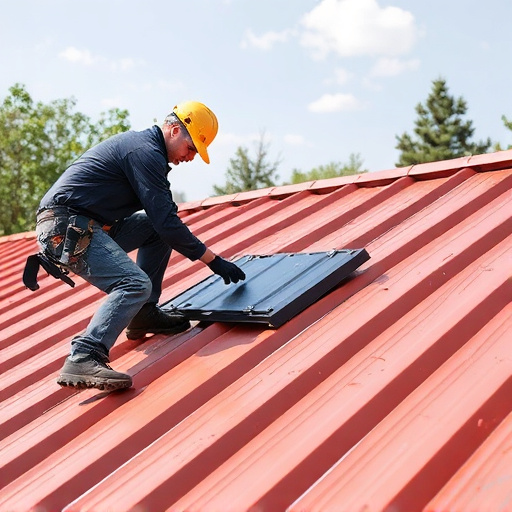
Metal roofing is a growing trend among homeowners in standing seam, driven by its durability, low maintenance, and energy-efficient properties. However, ensuring the longevity and optimal performance of stone coated steel panels requires regular upkeep and inspections. Many homeowners lack the knowledge to effectively maintain their metal roofs, leading to issues like rust, leaks, and reduced lifespan. This comprehensive checklist guides you through the essential tasks and considerations for upkeep and inspections, empowering you to make informed decisions and protect your investment. By following these steps, you'll ensure your metal roof remains in top condition for years to come.
- Understanding Your Stone Coated Steel Panels
- Regular Inspection: Spotting Potential Issues Early
- Maintaining Your Metal Roof: A Step-by-Step Guide
- Repairs and Replacement: When to Act and Who to Call
Understanding Your Stone Coated Steel Panels
Understanding Your Stone Coated Steel Panels
Stone coated steel panels, a modern alternative to traditional roofing materials, offer a durable and aesthetically pleasing option for homeowners in Oro Valley. These panels, designed to mimic the look of stone or slate, provide exceptional strength and longevity. When evaluating your metal roof, it's crucial to understand the unique features of stone coated steel panels, which differ from more conventional roofing materials.
One key advantage is their concealed clip fastening system. Unlike exposed fasteners, these clips secure the panels behind the outer surface, enhancing the overall appearance and protecting against potential damage. Neoprene washers incorporated into the panel system provide a robust seal, ensuring water doesn't penetrate the joints. This is particularly important in regions prone to heavy rainfall, like Oro Valley, where a well-sealed roof is vital for preventing leaks.
The thermal expansion and contraction of metal is another critical factor to consider. Stone coated steel panels, like all metal roofs, expand and contract with temperature changes. This can lead to potential issues if not properly managed. DC Roofing of Arizona, a local expert, recommends using quality underlayments and flashing details designed to accommodate these movements. By managing thermal expansion, you can extend the lifespan of your roof and avoid common problems like loose screws or panel warping.
Regular inspections are essential to maintain the integrity of your stone coated steel roof. Look for signs of rust, which can be accelerated by environmental factors and improper installation. Also, check for leaks at metal panel laps, where water could potentially infiltrate. A professional inspection by a licensed Oro Valley roofer, such as DC Roofing, can provide peace of mind and ensure your roof remains in top condition, enhancing the value of your home.
Regular Inspection: Spotting Potential Issues Early
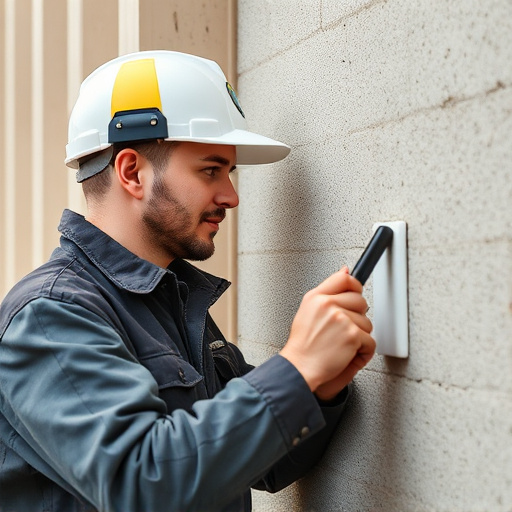
Regular inspections are crucial for maintaining the longevity and optimal performance of your stone coated steel panel roof. As a homeowner, catching potential issues early can save you significant time and money in the long run. Here's what to look for and how often to inspect your metal roof.
Start by examining the overall condition of your roof. Check for any signs of damage, such as missing or loose panels, exposed fasteners, or areas where the paint has peeled or faded. Stone coated steel panels are known for their durability, but they are not immune to the effects of weather, extreme temperatures, and aging. Look for any signs of rust, especially around fasteners and in areas with higher moisture content. A licensed Oro Valley area roofing contractor recommends checking the condition of the underlayment and flashing as well, as these components play a vital role in protecting your home from water intrusion.
Pay special attention to areas prone to problems like leaks at metal panel laps or loose metal roof screws. These issues can often go unnoticed but lead to more severe damage if left unaddressed. Inspect the roof's drainage system to ensure proper water flow away from your home's foundation. Check for signs of thermal expansion or contraction, as extreme temperatures can cause panels to bend or crack. When inspecting the roof's edges and corners, be on the lookout for potential weaknesses, as these areas are more susceptible to wind damage and hail. Regular maintenance, including cleaning and re-sealing, can help extend the lifespan of your metal roof and preserve its excellent heat-reflective properties, like those offered by PVDF coating or Galvalume.
Remember, a proactive approach to maintenance can prevent costly repairs and ensure your metal roof remains a sound investment. Keep a watchful eye on your roof's condition, and if any issues arise, consult with a local roofing expert for professional guidance.
Maintaining Your Metal Roof: A Step-by-Step Guide
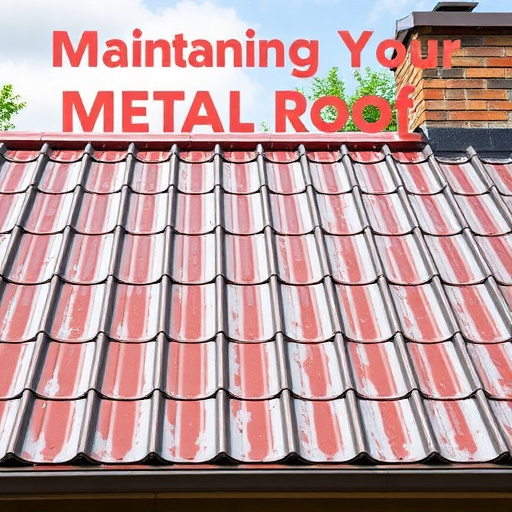
Maintaining a metal roof, like stone coated steel panels, is crucial for both aesthetic appeal and structural integrity, especially in harsh climates like Oro Valley's. Regular inspections and routine upkeep can significantly extend the lifespan of your metal roof, preventing costly repairs and ensuring it withstands the region's monsoon winds. Here's a step-by-step guide to help you keep your metal roof in top condition.
Start by conducting a visual inspection at least twice a year. Look for any signs of damage, such as dents, punctures, or missing panels, which could be exacerbated by strong winds or falling debris. Check for loose or damaged fasteners, as these can allow water penetration and lead to rust. Pay special attention to areas prone to high winds and heavy precipitation. Inspect the roof's edges and corners, where panels meet, and along the ridge line. Also, verify the integrity of your metal roof's underlayment, which acts as a secondary barrier against moisture intrusion.
Next, focus on cleaning and maintaining the exterior of your metal roof. Regular cleaning helps prevent the buildup of dirt, debris, and algae, which can stain and deteriorate the surface. Use a soft-bristled brush or a pressure washer with a low-pressure setting to remove debris. Avoid harsh chemicals, as they can damage the metal. Consider using a mild detergent or a specialized metal roof cleaner. After cleaning, re-inspect for any damage that may have been obscured by dirt. Remember, proper cleaning and inspection go hand in hand in maintaining the overall health of your stone coated steel panels.
Lastly, ensure proper ventilation and check for signs of thermal expansion. Metal expands and contracts with temperature fluctuations, and inadequate ventilation can lead to buckling or damage. Inspect the roof's vents and ensure they are clear of debris and functioning correctly. Look for any signs of rust, as this can indicate moisture intrusion or fastener damage. If you notice any issues, consult a licensed Arizona roofer for professional repair and maintenance. Regularly monitoring and addressing these aspects will ensure your metal roof-whether it's a Galvalume, R-panel, or another type-remains in excellent condition for years to come.
Repairs and Replacement: When to Act and Who to Call
For maintaining a metal roof, such as stone coated steel panels, homeowners must be vigilant. While these roofs are designed to withstand harsh conditions, including intense summer heat and monsoon winds, regular inspections and repairs are crucial to prevent more serious issues. This checklist outlines the key areas to focus on, ensuring your metal roof remains in top condition.
One of the most important tasks is to keep an eye out for loose or damaged panels. Strong winds, common during Tucson's monsoon season, can dislodge panels, creating potential safety hazards and allowing water ingress. If you notice any loose screws or panels, don't delay-contact a licensed roofer with an Arizona ROC license promptly. They can secure the panels and check for any further damage. Inspect the ridge vent, a crucial component that helps regulate roof temperature. Over time, debris can accumulate, blocking the vent and potentially leading to poor air circulation and increased energy bills. A thorough cleaning of the ridge vent by a professional is recommended at least once a year.
As metal roofs age, they may start to show signs of corrosion, especially in areas with high humidity. Stone coated steel panels, while durable, are not entirely immune to rust. Regularly check for any rust spots, especially around fastening points. If rust is detected, a professional roofer can apply a protective coating, such as Kynar 500, which offers superior resistance to corrosion and UV damage. This coating not only prolongs the roof's lifespan but also maintains its aesthetic appeal, ensuring your home retains its modern look. Remember, early intervention is key; small issues can often be resolved quickly, preventing more extensive and costly repairs.
Frequently Asked Questions About a Homeowner Checklist for Metal Roof Upkeep and Inspections
What is the importance of regular metal roof inspections? Regular inspections are crucial for identifying potential issues early on. Metal roofs, while durable, require specific care. Inspecting for damage, corrosion, or loose panels ensures your roof remains in top condition, preventing costly repairs and extending its lifespan. It's a proactive approach to maintenance, especially in harsh climates.
How often should I have my metal roof inspected? It's recommended to conduct a thorough inspection at least once a year, ideally in the spring. This timing allows for the assessment of any winter damage and ensures you're prepared for the upcoming season. During the inspection, look for signs of wear, rust, or dents, especially after severe storms or high winds.
What should I look for during a metal roof inspection? Focus on several key areas. Check for loose or damaged shingles, which could be a sign of wind damage. Inspect for rust or corrosion on fasteners and metal flashing. Look for signs of water damage, like stains or mold, as these could indicate leaks. Also, assess the condition of the underlayment, as it's vital for protecting the roof against moisture intrusion.
How do I clean my metal roof effectively? Cleaning is essential to maintain your metal roof's aesthetics and protect it from stains. Use a soft-bristled brush and a mild detergent or soap solution. Avoid harsh chemicals, as they can damage the metal. Rinse thoroughly to remove all soap residue. For stubborn stains, consider a specialized metal roof cleaner, but test it first in a small, hidden area.
Can I repair a damaged metal roof myself? Minor repairs, like replacing a few panels or sealing small leaks, are possible for DIYers. However, more complex issues, such as extensive rusting or structural damage, should be left to professionals. Metal roofing involves specialized tools and knowledge, ensuring the repair is done correctly and safely.
What should I do if I notice rust on my metal roof? Rust is a common issue, especially in humid climates. If you spot rust, identify its source, as it often indicates a problem with the fastening or flashing. Address the root cause first, then use a rust-removal product or paint to cover the affected area. Regular inspections and maintenance can prevent widespread rusting.
How do I know if I need to replace my metal roof? While metal roofs are known for their longevity, they eventually need replacement. Look for widespread damage, significant rust, or signs of water intrusion. If repairs are frequent and costly, consider a replacement. A professional assessment can help determine the roof's remaining lifespan and the best course of action.
As you've learned, stone coated steel panels require a tailored approach to maintenance and upkeep. By understanding their unique properties and implementing regular inspections, you can catch potential issues early, saving you time and money. This article has provided a practical guide, from identifying common problems like loose screws and rust to learning about the importance of proper flashing and underlayment. You now know the signs of a well-maintained metal roof and the steps to take when repairs or replacement becomes necessary.
Next steps for homeowners include:
- Regularly inspect your roof, at least twice a year, for any signs of damage or wear.
- Document findings for easy reference and to aid in future discussions with professionals.
- Stay informed about local regulations and HOA approvals regarding metal roofing.
- Prioritize safety when performing any maintenance tasks and consider seeking professional help for complex repairs.
By following these practices, you'll ensure your stone coated steel panels maintain their structural integrity and aesthetic appeal for years to come, contributing to the overall value of your home.
Stone coated steel panels offer a durable, aesthetically pleasing alternative to traditional roofing materials. They feature a concealed clip fastening system and neoprene washers for a robust seal against leaks. Thermal expansion and contraction require proper management using quality underlayments and flashing. Regular inspections (at least twice a year) are crucial to catch issues like rust, leaks, or loose screws early, extending the roof's lifespan and preserving its value. Key maintenance steps include visual inspections, cleaning, re-sealing, and ridge vent cleaning. Early intervention on small issues prevents costly repairs.