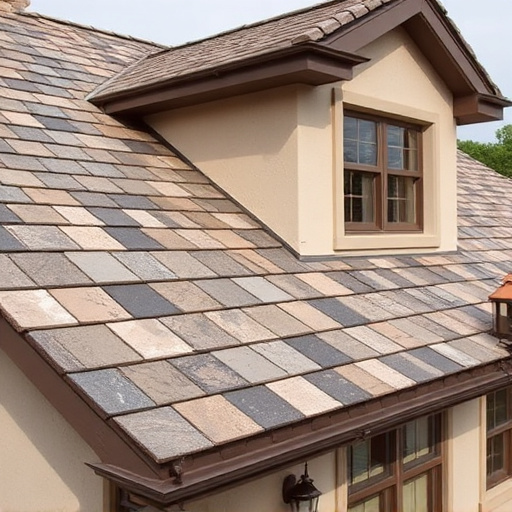
In the bustling, sun-drenched city of standing seam, the choice of roofing material can be a daunting decision. With options like standing seam metal roofs, stone coated steel panels, and corrugated metal roofing, each boasting unique advantages and drawbacks, homeowners often find themselves at a crossroads. This article examines the intricate details of these three roofing systems, providing a practical guide for Oro Valley residents. We'll explore everything from installation and performance to financial considerations and maintenance, ensuring you make an informed choice. We'll demystify technical aspects, such as panel gauge explained, to help you navigate the complexities with confidence. By the end, you'll be equipped to select the ideal roofing solution that suits both your aesthetic preferences and practical needs.
- Understanding Panel Types for Roofing
- Standing Seam: Design and Durability
- Stone Coated Steel: Uncovering the Advantages
- Corrugated Panels: Cost and Installation Insights
Understanding Panel Types for Roofing
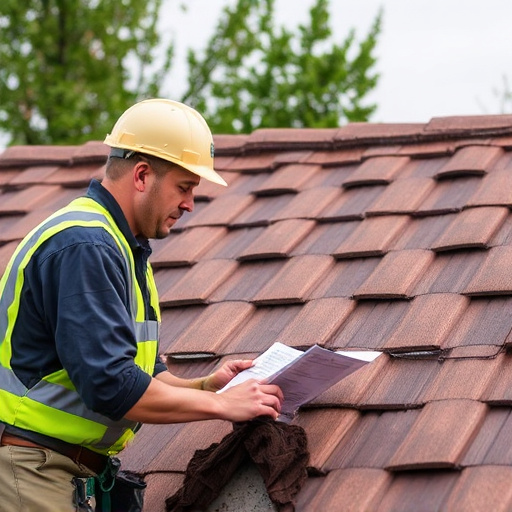
When selecting a roofing panel for your Oro Valley home, understanding the nuances between standing seam, stone coated steel, and corrugated metal is crucial. Each option offers distinct advantages, and a licensed Oro Valley area roofing contractor can guide you in making an informed decision based on your specific needs and preferences.
Standing seam metal roofs, for instance, are renowned for their durable design and low-maintenance nature. They feature a locked seam configuration, offering superior wind resistance and a sleek, contemporary aesthetic. The panels in this category are available in various gauge thicknesses, with a lower gauge indicating a thicker, heavier panel. A 24-gauge panel is thinner and lighter than a 26-gauge one, which provides a balance between cost and strength. This panel gauge explained is a key factor in determining both the roof's overall cost and its structural integrity.
Stone coated steel panels, on the other hand, offer an attractive alternative to traditional metal roofing. The stone coating provides excellent fade resistance and a unique, natural appearance, making them a popular choice for homeowners looking to blend their roof seamlessly with the surrounding landscape. These panels are typically more affordable than standing seam metal, but they may require additional synthetic underlayment to enhance their resistance to moisture and thermal expansion.
Corrugated metal roofing, a classic choice for many, is known for its strength and affordability. The corrugated pattern provides excellent structural support and helps reduce noise during heavy rainfall. However, it may not offer the same level of aesthetic appeal as standing seam or stone coated steel. Corrugated panels often feature Galvalume, a zinc-aluminum alloy that enhances corrosion resistance. To ensure a proper seal and further protect against leaks, neoprene washers are commonly used at the panel joints.
When comparing these panel types, consider your budget, desired aesthetic, and local building codes. Some local Homeowners Associations (HOAs) in Oro Valley have specific guidelines regarding roof materials. A local paint and hardware store can be a valuable resource for learning more about local regulations and obtaining expert advice on the best panel type for your home.
Standing Seam: Design and Durability
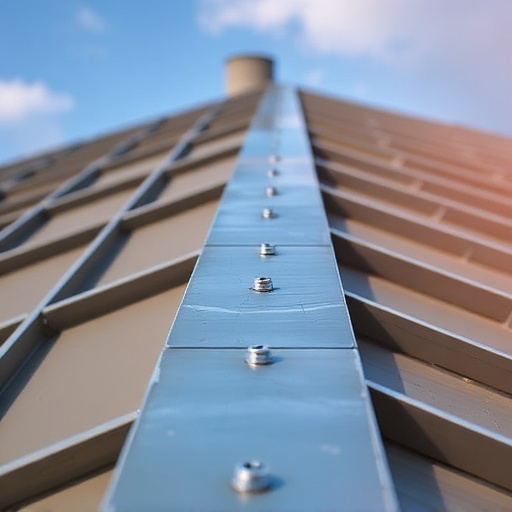
When comparing different roofing materials, standing seam metal roofs stand out for their distinctive design and exceptional durability. Their strength lies in the seamless, interlocking panels that create a clean, contemporary look while offering superior protection against the elements. Unlike corrugated panels, which have a more industrial aesthetic, standing seam panels provide a smooth, continuous surface that's less prone to collecting debris and is easier to clean.
The durability of a standing seam roof is directly tied to the panel gauge-the thickness of the metal used. Thicker panels, indicated by higher gauge numbers (e.g., 24 or 26 gauge), offer greater resistance to punctures, rust, and wind damage. A 26-gauge panel, commonly used for residential applications, can withstand high wind speeds and heavy snow loads, making it a popular choice for homeowners in Oro Valley's harsh climate. A licensed Oro Valley area roofing contractor often recommends these robust panels for buildings with sloped roofs, as they handle inclines better than other types.
Standing seam roofs excel in long-term performance, often outlasting other roofing materials by several decades. Their hidden fasteners, sealed at the joints, provide exceptional wind resistance and prevent water penetration. This makes them a smart choice for homeowners looking for a low-maintenance, long-lasting roof solution. While stone coated steel panels can be durable, they often require more maintenance and may not offer the same level of protection against extreme weather conditions as properly installed standing seam roofs.
Stone Coated Steel: Uncovering the Advantages
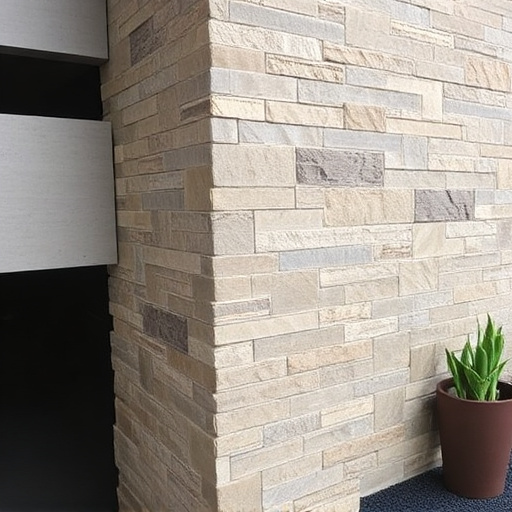
In the vibrant landscape of Oro Valley, Arizona, where the Catalina Foothills provide a stunning backdrop, homeowners increasingly consider stone coated steel as a superior roofing option. This material stands out for its enhanced durability and aesthetic appeal, particularly when compared to traditional standing seam metal and corrugated panels. Stone coated steel's advantage lies in its ability to mimic the look of natural stone at a fraction of the weight and cost, while offering superior performance against the region's harsh weather conditions.
One of the key benefits of stone coated steel is the panel gauge explained: the thickness and weight of each panel. Unlike some competitors, stone coated steel panels are designed with a robust gauge that ensures long-term strength and resistance to wind and hail, a significant concern for Oro Valley residents. The panels' surface is coated with Kynar 500, a highly durable material known for its exceptional heat reflection and resistance to UV degradation. This not only maintains the panel's color integrity but also contributes to energy efficiency in the region's warm climate. Homeowners can expect reduced cooling costs, especially when paired with an Energy Efficient Homes Program incentive.
When considering exposed versus hidden fasteners, stone coated steel offers a practical solution. Unlike standing seam metal roofs that often rely on hidden fasteners for a sleek appearance, stone coated steel panels can be securely attached with exposed screws, simplifying the installation process. This design choice not only streamlines construction but also makes maintenance easier for a roofer with an Arizona ROC license. When a homeowner opts for a metal roof over an existing structure, the exposed screws can be more easily accessed for repairs or replacements, extending the lifespan of the roof. This is particularly valuable in the long-term, as metal roofs are known for their longevity, with a typical lifespan of 30 to 50 years when properly maintained.
Corrugated Panels: Cost and Installation Insights
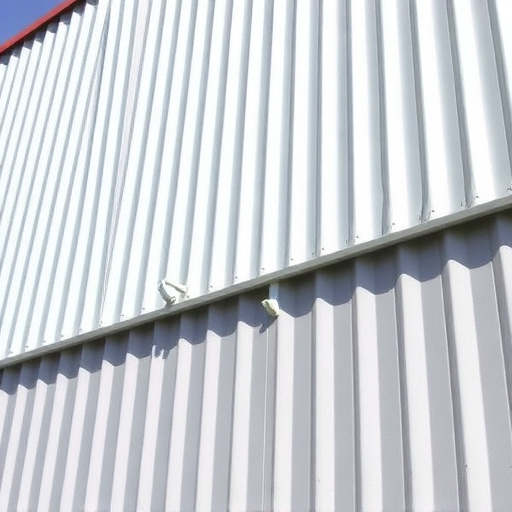
When considering corrugated metal panels for your Oro Valley roof, cost and installation are critical factors. Corrugated metal roofing, while known for its durability and longevity, offers a range of pricing based on material gauge, panel design, and finish. A licensed Oro Valley area roofing contractor will advise that understanding the panel gauge explained is essential. Gauge, measured in thousandths of an inch, directly impacts both the panel's weight and strength. Thicker gauged panels, though more robust, can be more expensive.
Installation complexity also influences cost. Corrugated panels often require specialized equipment and skilled labor, especially when compared to standing seam or stone coated steel alternatives. Homeowners considering a metal roof should be aware that the nature of corrugated designs can lead to more intricate fastening patterns, including both exposed and hidden fasteners. This increases installation time and labor costs. However, experienced contractors can streamline the process, ensuring a high-quality, durable finish that still meets local HOA architectural review standards.
A typical corrugated metal panel installation might involve attaching the panels directly to the roof deck with self-drilling screws, creating a loose-laid system. This method, while effective, requires meticulous alignment and a thorough inspection to prevent leaks at metal panel laps. Home insurance companies and local building departments often require additional underlayment and flashing details to safeguard against potential issues, adding further to the installation costs.
Despite these considerations, corrugated metal panels offer a competitive pricing structure, especially when compared to the longer-term costs of low-slope or flat roofing materials. Properly installed, these panels can provide a durable, low-maintenance roof with a lifespan exceeding 30 years, making them a cost-effective choice for both new construction and metal over existing roofs.
Frequently Asked Questions About a comparison of standing seam, stone coated steel and corrugated panels
What is the main difference between standing seam and stone coated steel roofing?
Standing seam metal roofing features a unique, interlocking design where the panels' edges rise above the roof surface, creating a clean, low-profile look. Stone coated steel, on the other hand, is a type of steel roofing that has a layer of natural stone attached to its surface. This provides a more textured, traditional look compared to standing seam's sleek appearance. The choice between them often comes down to aesthetics and the desired style for a home or building.
Are stone coated steel panels more durable than standing seam panels?
Both standing seam and stone coated steel are known for their durability. Standing seam metal roofing is often considered more durable due to its superior wind resistance and lack of exposed fastener heads, which can be more vulnerable to damage. Stone coated steel, while offering excellent resistance to rust and corrosion, might be slightly less durable in extreme weather conditions compared to standing seam.
How do corrugated panels compare to standing seam and stone coated steel?
Corrugated panels are a more traditional roofing material known for their affordability and ease of installation. They offer some protection against wind and rain but lack the superior wind resistance of standing seam. Corrugated panels also tend to be heavier and noisier than standing seam or stone coated steel, which are lighter and quieter options.
Which option offers the best value for money?
The cost of roofing materials varies widely. Standing seam metal roofing is generally more expensive than corrugated panels but can still offer better value due to its longevity and low maintenance requirements. Stone coated steel lies somewhere in between, often providing a more affordable alternative to standing seam while still offering better durability than corrugated panels.
How long do these roofs typically last?
- Standing seam metal roofing has an expected lifespan of 30-50 years or more, with minimal maintenance.
- Stone coated steel roofing also lasts 30-50 years, though the stone coating may chip or curl over time.
- Corrugated panels typically last 20-30 years, depending on the quality of the material and installation.
What factors should I consider when choosing between these options?
Consider your budget, desired look, local weather conditions, and the roof's structural integrity. Standing seam is excellent for areas prone to high winds, while stone coated steel is a good choice for homes seeking a traditional aesthetic. Corrugated panels are suitable for light-duty applications or budget-conscious projects. Always consult with a licensed roofing contractor in your area for personalized recommendations.
This article has examined the intricate world of roofing materials, highlighting three prominent panel types: standing seam, stone coated steel, and corrugated. Each offers distinct advantages and considerations, shaping the choice of material for Oro Valley homeowners and contractors alike.
Standing seam metal roofs, renowned for their sleek, low-profile design, deliver exceptional durability and a long-lasting finish. This type's superior structural integrity, coupled with effective water runoff, makes it a top choice for modern architectural designs. The article elucidates the importance of panel gauge explained, a critical factor in ensuring the roof's strength and performance.
Stone coated steel panels emerge as a versatile and cost-effective alternative. Their stone-like appearance adds aesthetic appeal, while their steel core guarantees durability. This panel type is particularly adept at withstanding extreme weather conditions, including hail, making it a reliable option for Oro Valley's diverse climate.
Corrugated panels, though known for their affordability, present specific installation challenges. The article underscores the importance of proper flashing details and underlayment to mitigate leaks at metal panel laps, a common concern with this panel type. Despite these requirements, corrugated panels remain a cost-effective solution for both residential and commercial projects.
Practical takeaways emerge from this comparison. For homeowners seeking a blend of aesthetics and durability, standing seam or stone coated steel panels offer compelling choices. Contractors, meanwhile, can leverage their understanding of panel gauge explained to optimize installations, ensuring long-term performance.
Engaging with the Oro Valley Building Department and local Home Insurance Companies to understand HOA approval processes and coverage for metal roofs can be invaluable. This knowledge ensures informed decisions, ensuring a robust and aesthetically pleasing roof for years to come.
When choosing a roofing panel for your Oro Valley home, consider:
- Standing Seam: Durable, low-maintenance design with locked seam configuration. Gauge thickness impacts cost and strength; higher gauges offer better protection.
- Stone Coated Steel: Attractive alternative to metal with fade-resistant coating. Requires synthetic underlayment for moisture protection. Offers good balance between aesthetics and affordability.
- Corrugated Metal: Known for strength and affordability. Corrugated pattern provides structural support. Panel gauge explained influences weight, strength, and cost. Installation complexity and fastener choices affect total cost.
Each option has unique advantages. A local roofing contractor can guide your decision based on budget, desired look, and building codes.