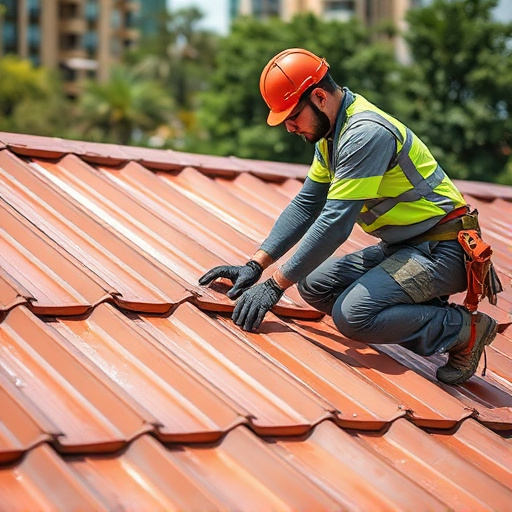
In the fast-paced world of modern home construction and renovation, metal roofing has emerged as a popular and durable choice, especially in areas like Oro Valley. Metal patio and carport roofs offer exceptional strength, longevity, and energy efficiency. However, homeowners and contractors alike face unique challenges for maintaining these structures, particularly in addressing noise, expansion, and fastener care. This article examines these critical aspects, providing valuable insights for those navigating the world of standing seam metal roofs. We'll explore how to mitigate noise during rainy seasons, understand thermal expansion and its effects, and learn best practices for fastener maintenance, ensuring your metal roof performs optimally for years to come.
- Understanding Metal Roof Dynamics: Noise, Expansion, and Contraction
- Fastener Selection and Installation Best Practices
- Maintaining Metal Patio and Carport Roofs: A Practical guide
- Longevity and Safety: Addressing Common Metal Roof Concerns
Understanding Metal Roof Dynamics: Noise, Expansion, and Contraction
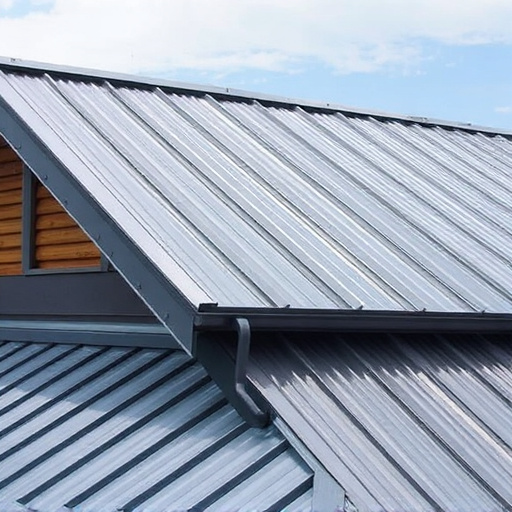
Metal roofs, especially on patios and carports, offer a durable and visually appealing solution for outdoor structures. However, understanding the dynamic nature of these roofs is crucial for both new installations and maintenance. This section examines the factors that contribute to the performance and longevity of metal roofs, focusing on noise, expansion, and contraction, as well as fastener care.
Noise is a common concern with any roofing material, but metal, with its inherent flexibility, can transmit sounds more effectively. When rain falls on a metal roof, the impact creates a unique sound that some find pleasing, while others may consider it a nuisance. This phenomenon is due to the roof's ability to vibrate and transmit sound waves. An R panel with a Kynar 500 PVDF coating, known for its superior durability, might produce a distinct noise during a heavy downpour compared to a more rigid roofing material. To mitigate this, proper fastener placement and the use of sound-dampening underlayments can significantly reduce noise levels, ensuring a quieter outdoor space.
Expansion and contraction are essential considerations for metal roofs. Metal is an excellent conductor of heat, which means it expands and contracts with temperature changes. This thermal expansion can lead to potential issues, such as warping or cracking, if not accounted for during installation. A roofer with an Arizona ROC license will often use specialized fastening techniques and materials to accommodate these movements. Using hidden fastening systems or specific screws designed for metal roofing can help maintain the roof's integrity as it expands and contracts throughout the year. Proper gap allowance and sealing at the laps of metal panels are also critical to prevent water intrusion and ensure the roof's structural integrity.
Regular maintenance, including re-fastening and re-sealing, matters in addressing these dynamic challenges. Monitoring the condition of fastener heads and the integrity of seals is essential. Look for loose screws, rust, or signs of corrosion, especially in areas prone to moisture. Regular inspection and prompt repair can extend the lifespan of a metal roof, ensuring it continues to provide reliable protection for your metal patio or carport.
Fastener Selection and Installation Best Practices
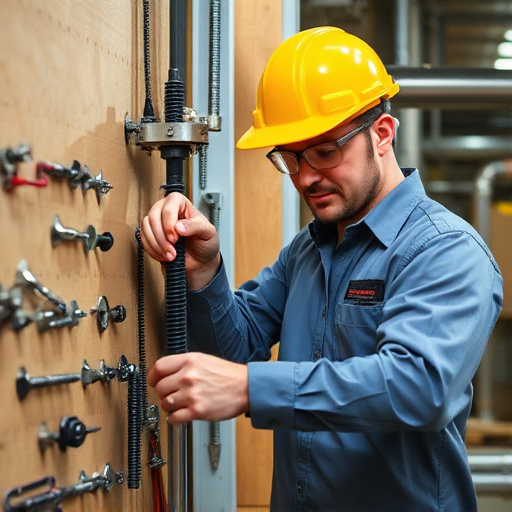
In the context of metal patio and carport roofs in Oro Valley, fastener selection and installation are crucial aspects of a durable and functional roof system. When considering materials, a licensed Arizona roofer often recommends Galvalume or stone coated steel panels for their superior corrosion resistance and long-term performance. These materials, with their robust protective coatings, such as Kynar for stone coated steel, offer excellent resistance to the harsh desert environment, including the impact of intense sunlight and varying temperature changes.
Proper fastener care begins with choosing the right type for the job. Exposed versus hidden fastener installations have distinct advantages and considerations. In areas prone to heavy winds or where roof access is limited, hidden fastener systems provide a cleaner look and better wind resistance. However, they require more precise installation to ensure the roof's structural integrity. In contrast, exposed fasteners, often used in more accessible areas, offer easier maintenance and repair but may require additional protective coating to prevent rust, especially in areas like Rancho Vistoso where the climate can be harsher.
Installation best practices dictate the use of adequate fastener spacing, which ensures the roof's stability. Overlapping panels with proper alignment and securing them with the recommended number of fasteners per manufacturer guidelines are essential. For metal roofs, this often involves using screws or nails specifically designed for their application, ensuring they are long enough to penetrate the panel and into the deck, but not so long as to cause damage. Regular maintenance checks to inspect for loose screws or signs of rust are vital, as these issues can compromise the roof's integrity. Checking the condition of the underlayment and flashing details during these inspections can help prevent leaks at metal panel laps, a common problem in metal over existing roofs.
Maintaining Metal Patio and Carport Roofs: A Practical guide
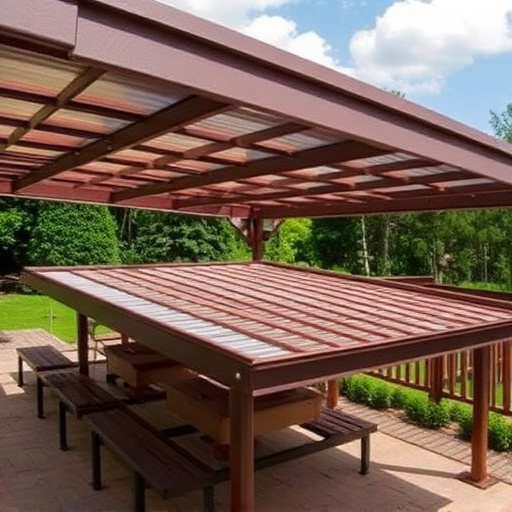
Maintaining metal patio and carport roofs is a crucial aspect of ensuring these structures provide years of reliable protection. These exterior areas, often exposed to varying weather conditions, including lightning, demand careful consideration for noise, expansion, and fastener care. Let's examine these aspects, offering a practical guide for homeowners and property managers alike.
Noise, a concern for many homeowners, can be effectively managed with the right metal roofing materials. Standing seam metal roofs, for instance, are renowned for their ability to muffle sound, making them an excellent choice for urban environments or areas prone to heavy rainfall. The design of these roofs, with their seamless panels, reduces the potential for echo and noise amplification. When considering a metal patio or carport roof, opt for high-quality materials like Kynar-coated panels, known for their superior noise reduction properties. This investment not only enhances the overall ambiance but also contributes to a more peaceful outdoor space.
Expansion and contraction due to thermal changes are natural phenomena that metal roofs, including R-panel designs, are engineered to withstand. The key to managing this lies in proper fastener selection and installation. Loose metal roof screws, for example, can lead to panel movement and potential leaks. DC Roofing of Arizona, a licensed Oro Valley contractor, recommends using high-quality fastening systems that can expand and contract with the metal, ensuring a secure and long-lasting installation. Regular maintenance checks can also help identify any loose fasteners, allowing for prompt repairs.
Lightning protection is another critical aspect, especially in areas prone to storms. Metal roofs, while excellent conductors of electricity, can be at risk of lightning strikes. The National Roofing Contractors Association (NRCA) offers guidelines for installing metal roofing systems that incorporate lightning protection. These measures ensure that any lightning strike is safely conducted to the ground, protecting the structure and its occupants. For metal patio and carport roofs, it's essential to consult with local experts who can implement these safety features, adhering to regulations and ensuring the safety of everyone below.
Longevity and Safety: Addressing Common Metal Roof Concerns
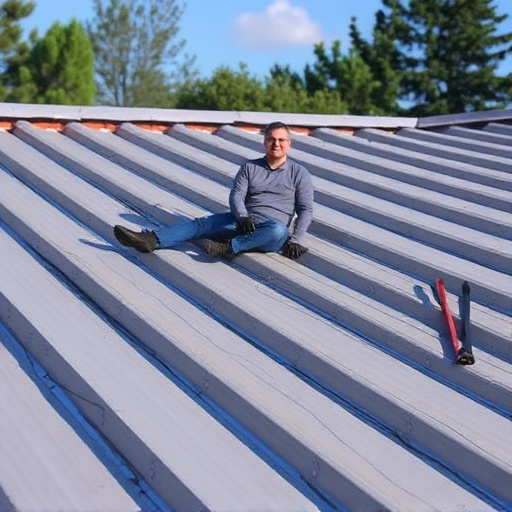
Metal roofs, especially on patios and carports, are a popular choice for Oro Valley homeowners, offering durability and a modern aesthetic. However, longevity and safety are top concerns for any homeowner considering this investment. This is particularly true for metal roofing, which can be susceptible to specific challenges over time. Here, we address three critical aspects: noise, thermal expansion, and fastener care, providing valuable insights for informed decision-making.
Noise in the Monsoon Season: One of the most common questions we receive from homeowners is about noise levels during monsoon rains. Metal roofs can produce a distinct sound when struck by raindrops, which may be concerning for nearby neighbors. However, this issue is not inherent to metal roofing; it's more about the specific fastening method used. The traditional exposed fastener method, while offering a traditional aesthetic, can lead to rattling noises. A licensed Oro Valley area roofing contractor recommends using modern hidden fastening techniques, which secure panels from beneath, significantly reducing noise. This simple upgrade can transform a metal roof into a quiet retreat, ensuring peace during our region's frequent monsoon rains.
Thermal Expansion and Contraction: Metal is an excellent conductor of heat, which can lead to concerns about expansion and contraction in extreme temperatures. This phenomenon can cause panels to deform or become loose over time, leading to leaks. Corrugated metal panels, a popular choice for carports and patios, are designed to handle these movements more effectively than solid panels. The unique crimped design allows for a certain amount of flexibility, reducing the risk of damage during seasonal temperature changes. Using Kynar-coated panels, known for their superior heat reflection and resistance, can prolong the lifespan of your metal roof by protecting it from harsh UV exposure and extreme heat.
Fastener Care and Rust Prevention: Rust is a significant concern with metal roofing, as it can compromise the structural integrity of the roof and lead to costly repairs. Proper fastener care is crucial for preventing rust, especially in our arid climate. It's recommended to use corrosion-resistant screws and nails designed for metal roofing. Stainless steel or hot-dip galvanized fasteners offer superior protection against rust. Ensuring adequate fastener penetration and regular inspection can help identify and address loose screws early on, preventing leaks and extending the overall lifespan of the roof. Local paint and hardware stores often provide expert advice on fastener choices and maintenance.
Frequently Asked Questions About an explainer on noise, expansion and fastener care on metal roofs
What is the best type of fastener for metal roofs?
When selecting fasteners for metal roofs, it's crucial to choose those designed specifically for such applications. Stainless steel or hot-dip galvanized steel nails or screws are recommended due to their corrosion resistance. For standing seam roofs, consider using self-drilling and self-tapping fasteners to eliminate the need for pre-drilling and ensure a strong hold. Always follow manufacturer guidelines and local building codes for fastener selection and installation.
How do I prevent noise from metal roof panels?
Noise from metal roofs can result from various factors, including wind, rain, and foot traffic. To mitigate noise, ensure proper installation by following manufacturer instructions and using the recommended fastening methods. Consider using sound-absorbing underlayments beneath the panels, which can reduce noise transmission. Regular maintenance and inspecting the roof for loose or damaged panels can prevent excessive noise.
Can metal roofs expand and contract with temperature changes?
Absolutely. Metal is a highly conductive material, causing it to expand and contract significantly with temperature fluctuations. This movement can lead to issues like warping, cracking, or peeling if not properly accommodated. Proper fastener selection, adequate expansion spaces, and using flexible sealing materials can help manage these effects.
What is the recommended spacing for fastening metal roof panels?
The optimal fastening spacing depends on the panel type, weight, and local building codes. As a general guideline, fasten panels at intervals no greater than 16 inches on center (OC) for most metal roof applications. This ensures a secure hold and helps prevent panel shifting due to wind or other environmental factors.
How often should I inspect my metal roof for fastener issues?
Regular inspections are crucial for maintaining a metal roof's integrity. Inspect your roof at least twice annually, or more frequently in areas prone to extreme weather conditions. Look for loose, missing, or damaged fasteners and address them promptly to prevent further damage and ensure the roof's longevity.
As we've explored the dynamics of metal patio and carport roofs in Oro Valley, several key insights emerge. First, understanding the natural behaviors of metal, like its capacity for thermal expansion and noise absorption in rain, is crucial for setting realistic expectations. Proper fastener selection and installation techniques, such as hidden fasteners for a sleek look and loose screw prevention, ensure both aesthetics and structural integrity. Regular maintenance, including routine inspections and addressing leaks at metal panel laps, is essential for longevity.
Choosing the right underlayment, understanding panel gauge, and adhering to local building codes, like those enforced by the Oro Valley Building Department, are vital for a successful installation. Homeowners should also consider the environmental impact, as metal roofs can reflect heat and potentially reduce energy costs, aligning with the region's push for energy-efficient homes.
Finally, by following these guidelines, homeowners can not only enhance their property's curb appeal but also invest in a durable, low-maintenance roof that stands up to the region's unique conditions, potentially increasing their home's resale value. This authority on metal patio and carport roofs empowers Oro Valley residents to make informed decisions for their properties.
Metal patio and carport roofs in Oro Valley require careful consideration of noise, thermal expansion, and fastener care for optimal performance and longevity. Proper fastener placement, use of sound-dampening underlayments, and specialized fastening techniques mitigate noise levels. High-quality materials and specialized screws accommodate thermal expansion and contraction, preventing warping. Regular inspection and maintenance, including re-fastening and sealing, extend the roof's lifespan and protect against leaks. These practices ensure reliable protection for outdoor structures.