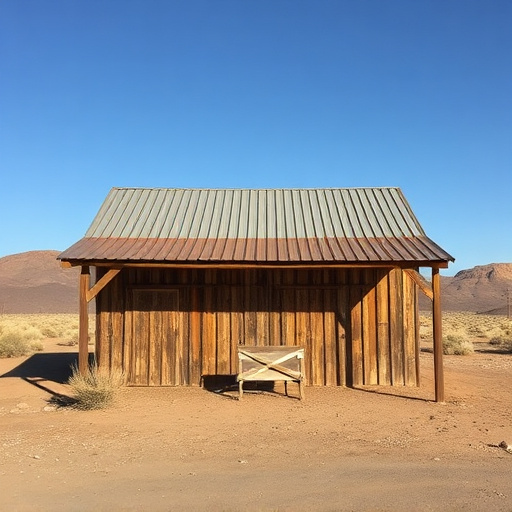
In the scorching desert sun of standing seam, the choice of roofing material can make or break a home's comfort and longevity. Metal roofing, with its sleek, durable design, presents a unique solution to the harsh environmental conditions that plague this region. Yet, with varying climates and strict local regulations, homeowners face challenges when considering a metal roof.
The problem lies in navigating the options, understanding the installation process, and ensuring a reliable installer. Metal roofing offers exceptional heat reflection, noise reduction in rain, and superior resistance to hail and wildfires, making it a top choice for desert dwellers. Choosing a metal roof installer who understands local requirements, like those enforced by the Oro Valley Building Department and local Homeowners Associations (HOAs), is crucial for a successful and approved installation.
In this guide, we'll explore the benefits of metal roofing in detail, providing insights into its longevity, maintenance, and the expert installation process.
- Understanding Metal Roofing's Advantages in Arid Climes
- How Metal Roofs Resist Desert Heat and Monsoon Damage
- Choosing a Roofer: Ensuring Expert Installation for Longevity
- Maintenance Tips for Optimal Metal Roof Performance in Arizona
Understanding Metal Roofing's Advantages in Arid Climes
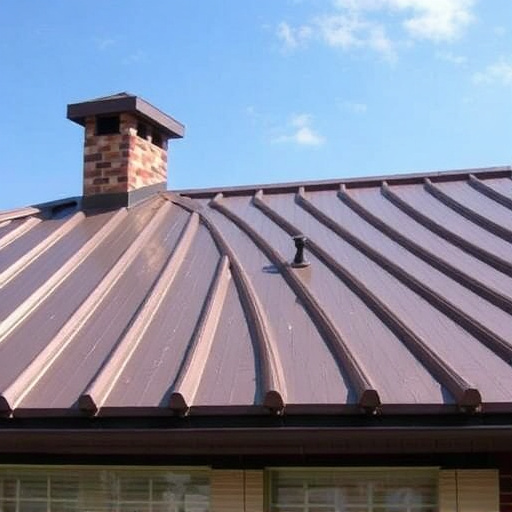
In arid climates like Oro Valley, where intense desert sun and seasonal monsoon storms are common, choosing a metal roof installer that understands local conditions is crucial. Metal roofing offers a number of advantages designed to withstand these challenges, providing long-lasting protection for homes and buildings. One of the key benefits is its superior solar reflectance, which helps to minimize heat absorption and keep structures cooler during the scorching summer days. This is particularly important in standing seam metal roofs, where the reflective surface can significantly reduce the amount of heat transferred to the building.
For handling extreme heat, metal roofs excel due to their high thermal conductivity. This means they can quickly dissipate heat, keeping the interior of buildings cooler and reducing energy costs associated with air conditioning. Metal roofing materials like Kynar coated panels offer exceptional durability and resistance to corrosion, making them ideal for regions prone to high humidity and occasional hail. The use of concealed clips for installation also contributes to the overall durability by eliminating exposed fasteners that could become vulnerable to rust or damage during storms.
Monsoon storms in Oro Valley can bring intense rainfall and high winds, which pose significant challenges for any roofing material. Metal roofs, however, are engineered to withstand these conditions. The robust design and strong attachment methods, such as those used in R panel construction, ensure that the roof remains securely in place even during the strongest gusts. Proper installation by a seasoned metal roofing expert, like DC Roofing of Arizona, includes detailed flashing details and underlayment that further protect against leaks at metal panel laps, enhancing the roof's overall performance and longevity.
Choosing a metal roof installer who understands the unique demands of arid climates is essential. A local company familiar with the Oro Valley Building Department's requirements and local Homeowners Associations (HOAs) can ensure that the installation complies with all necessary codes and regulations. By selecting a contractor who prioritizes high-quality materials and meticulous installation techniques, homeowners can enjoy the peace of mind that comes with knowing their property is protected against the harsh desert sun, intense heat, and powerful monsoon storms.
How Metal Roofs Resist Desert Heat and Monsoon Damage
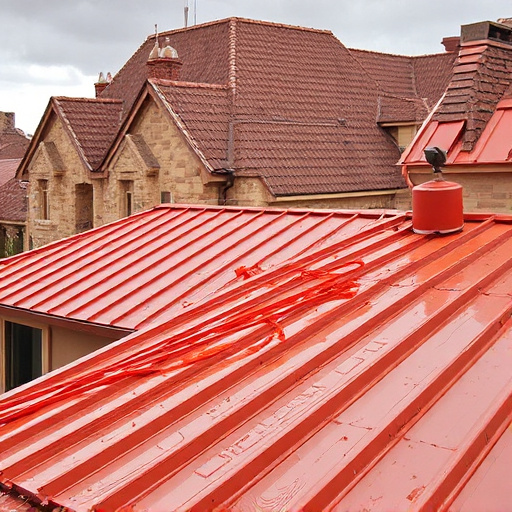
Choosing a metal roof installer is a crucial step when preparing your Oro Valley home for the extreme conditions of a desert climate. In this environment, where intense sun and rapid temperature changes are the norm, a metal roof offers exceptional durability and protection. Let's examine how this roofing option specifically addresses the challenges posed by desert heat and monsoon storms.
Metal roofing is renowned for its superior heat reflection properties, which are particularly beneficial in the scorching Arizona sun. The reflective surface of metal panels helps to dissipate heat, keeping your home cooler inside. This is especially important during the long, hot summer months, when energy costs for cooling can soar. A well-installed metal roof can contribute to energy efficiency, potentially reducing your utility bills. The reflective nature of metal can also help to mitigate the urban heat island effect, a phenomenon where concrete and asphalt structures contribute to elevated temperatures in urban areas.
For monsoon storms, metal roofs are designed to withstand the rigors of heavy rainfall and strong winds. The panels are typically fastened with exposed or hidden fasteners, both of which offer superior storm resistance. Exposed fasteners, while visible, provide a robust connection, allowing the roof to flex and expand with changing temperatures without compromising integrity. Hidden fasteners, on the other hand, offer a sleek, seamless appearance while still ensuring the roof can withstand high winds and intense rainfall. Galvalume, a zinc-aluminium alloy coated steel, is a popular choice for its superior corrosion resistance and ability to withstand extreme weather. Neoprene washers are often used with fasteners to create a waterproof seal, further protecting against leaks during heavy storms.
A roofer with an Arizona ROC license understands the importance of proper installation and maintenance, especially in challenging conditions. They can guide you in choosing the right panel gauge and type, such as Kynar-coated panels, known for their exceptional durability and color retention. Regular maintenance, including inspecting for loose screws and repainting as needed, is crucial to ensure the longevity of your metal roof. By choosing a reputable installer and maintaining your roof, you can expect many years of reliable protection against the desert sun and monsoon storms.
Choosing a Roofer: Ensuring Expert Installation for Longevity
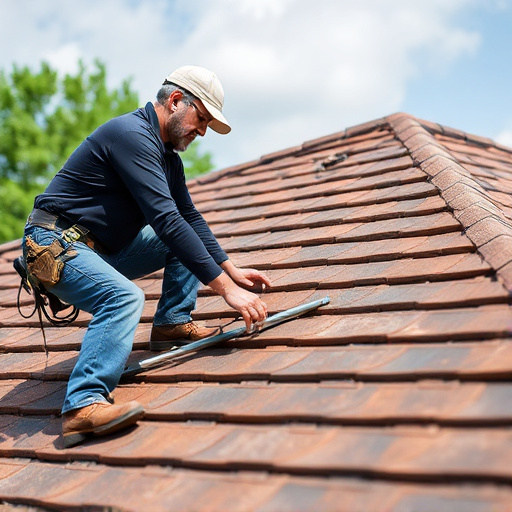
Choosing a roofer is a critical step when considering a metal roof, especially in the Oro Valley desert climate. The extreme heat, intense sunlight, and sudden monsoon storms put significant stress on any roofing material, and metal roofs require expert installation to ensure longevity. Look for a roofer with an Arizona ROC license who specializes in metal roofing and has a proven track record in the region, like those serving the Rancho Vistoso area.
Thermal expansion and contraction are significant factors in desert environments. Metal expands and contracts with temperature fluctuations, and improper installation can lead to seams pulling apart or fasteners loosening. Concealed clips, designed to hold panels securely while allowing for this movement, are a smart solution. Skilled installers understand these challenges and use the right tools and techniques to secure panels tightly, minimizing the risk of leaks. They also know how to navigate local building codes and Homeowners Association (HOA) guidelines, which can be strict in Oro Valley.
A top-quality metal roof installer will offer expert advice tailored to your home's unique needs. They'll assess factors like roof pitch, local weather patterns, and your budget. They might recommend Kynar-coated panels, known for superior heat reflection and color-fading resistance, or provide insights into the panel gauge-the thickness of the metal-to ensure it meets both your aesthetic and structural requirements. By choosing a roofer who understands the specific demands of desert climates and has the expertise to handle these challenges, you can trust that your metal roof will protect your home for years to come, even during the most extreme weather events.
Maintenance Tips for Optimal Metal Roof Performance in Arizona
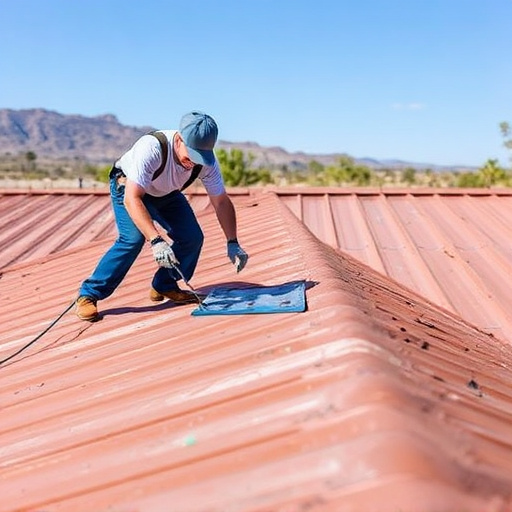
Maintaining a metal roof in the harsh desert conditions of Oro Valley requires a strategic approach to ensure longevity and optimal performance. When facing the intense sun, heat, and monsoon storms, regular care becomes even more critical. Here's a guide to help homeowners navigate the unique challenges of this region.
One of the first steps in metal roofing maintenance is ensuring proper ventilation, especially along the ridge line. A ridge vent, strategically installed, allows hot air to escape, preventing excessive pressure build-up beneath the roof. This is crucial in mitigating damage from powerful monsoon storms. The choice of fasteners is essential. Exposed fasteners, visible from below, can be susceptible to loose connections during intense winds. However, many modern systems use concealed clips, offering superior security and reducing the risk of leaks.
Regular inspections are vital to identifying potential issues early on. Homeowners should look for loose screws or signs of rust, especially in areas prone to high humidity. A licensed Oro Valley area roofing contractor can provide expert advice on the best maintenance practices and products, ensuring your metal roof remains in top condition. Applying a protective coating to fasteners and using high-quality underlayment can significantly extend the life of your roof. Remember, the right installer will understand the unique demands of this climate and choose materials accordingly.
During intense desert heat, metal roofs can become quite hot to the touch. This is a natural phenomenon, but excessive heat can accelerate the aging process of the roofing material. Regular cleaning, particularly after monsoon seasons, helps maintain the roof's aesthetic appeal. Keeping the roof free of debris reduces the risk of water damage and ensures the paint finish remains intact. As with any roofing system, timely repairs are crucial. Addressing leaks promptly, especially at metal panel laps, prevents further damage and costly repairs.
Frequently Asked Questions About an explainer on how metal roofing handles desert sun, heat and monsoon storms
What makes metal roofing particularly suited for desert climates?
Metal roofing excels in desert environments due to its exceptional heat reflection and durability. The reflective properties of metal help to bounce sunlight and intense desert heat away from the building, reducing interior temperatures and lowering cooling costs. Metal roofing is designed to withstand extreme temperature fluctuations and high winds common in desert regions, making it a reliable and long-lasting choice for harsh climates.
How does metal roofing protect against intense desert sun?
Metal roofing materials, like standing seam panels, are engineered to reflect a significant portion of the sun's radiation, preventing heat transfer into the building. This reflective quality is achieved through the use of reflective finishes, like aluminum or certain stainless steel alloys. By minimizing heat absorption, metal roofing helps maintain a cooler indoor environment during the hot desert summers, improving energy efficiency.
Are metal roofs more prone to damage during monsoon storms?
Contrary to some beliefs, metal roofing is actually well-suited for monsoon storms. Its robust construction and attachment methods make it highly resistant to strong winds and flying debris, common during intense storms. The flexibility of metal panels allows for some movement during high winds, preventing excessive stress and damage. The smooth surface of metal roofing does not retain water, reducing the risk of water damage from heavy rainfall.
Do metal roofs require special installation for desert conditions?
Yes, installing metal roofing in desert regions may require some adjustments to standard installation practices. Contractors experienced in desert installations will ensure proper flashing and sealing around fixtures and penetrations to prevent water intrusion. They may also use specialized fasteners designed to resist high winds and extreme temperatures. These tailored installation methods ensure the metal roof performs optimally and durably in the local climate.
How does metal roofing impact energy efficiency in desert homes?
Metal roofing can significantly contribute to energy savings in desert homes. By reflecting heat and keeping interior temperatures lower, metal roofs reduce the workload on air conditioning systems. This results in lower energy consumption and correspondingly lower cooling costs throughout the hot desert summers. The energy-efficient properties of metal roofing are especially valuable in regions where energy costs are high and year-round cooling is essential.
Can metal roofing be installed on historic or unique building structures?
Absolutely. Metal roofing is highly versatile and can be installed on a wide variety of roof shapes and styles, including historic and unique structures. Contractors experienced in metal roofing can work with architects and preservationists to select appropriate profiles and finishes that blend with the building's character while ensuring structural integrity and durability.
Are there any maintenance considerations for metal roofs in desert areas?
Minimal maintenance is one of the significant advantages of metal roofing. In desert areas, regular cleaning to remove dust and debris buildup is recommended to maintain optimal performance. Inspecting for loose fasteners and making minor adjustments is also essential, especially after extreme weather events. With proper care and occasional maintenance, a metal roof can last for decades, providing long-term protection against desert elements.
For protecting your Oro Valley home from the rigors of the desert climate, standing seam metal roofs offer a superior solution. This article has explored the unique challenges posed by the sun, heat, and monsoon storms, and how metal roofing excels in these conditions. We've seen that metal roofs, with their Kynar-coated panels, reflect heat, reducing energy costs, and their robust design resists damage from hail and wildfire embers.
Proper installation is paramount. Choosing a metal roof installer with experience in the local climate and building code requirements, like those enforced by the Oro Valley Building Department and local Homeowners Associations (HOAs), ensures your roof is both functional and compliant. This expert craftsmanship is key to preventing leaks at metal panel laps and loose screws, issues that can lead to rust and reduced lifespan.
Moving forward, homeowners can take confidence in the long-term benefits of metal roofing. With proper maintenance, including regular cleaning and checks for loose fasteners, these roofs can last for decades. The initial investment pays off with energy savings and increased home resale value.
When faced with the demands of Oro Valley's desert sun and monsoon storms, metal roofing provides a reliable, durable, and aesthetically pleasing solution. Choosing a qualified installer and practicing routine maintenance are essential steps to ensure your metal roof performs as expected for years to come.
In arid Oro Valley, metal roofing excels against intense sun, heat, and monsoon storms. Key benefits include superior solar reflectance, high thermal conductivity, and durability against corrosion and extreme weather. Choosing a local, licensed installer with experience in standing seam metal roofing and Oro Valley codes ensures proper installation and maintenance. Regular inspections, ventilation, and fastener care extend the roof's life, protecting against leaks and damage.