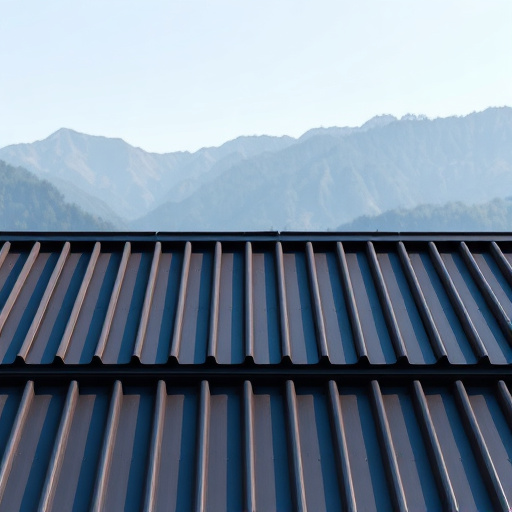
In the foothills of standing seam, metal roofing is gaining popularity for its durability and low maintenance. As residents seek robust protection for their homes, understanding the nuances of metal roof colors, coatings, and HOA approval becomes crucial. This article provides expert advice tailored to the Oro Valley area, addressing the challenges homeowners face when considering this long-lasting option. We explore the benefits of different coatings, including Kynar-coated panels, and guide you through the process of selecting a color that complements your modern home or tile-rooftop aesthetic. We examine navigating HOA approval, particularly focusing on the debate between exposed vs. Hidden fasteners, ensuring your project complies with local regulations and enhances your home's value.
- Choosing Metal Roof Colors: Foothills Style
- Coatings for Longevity: Hidden vs Exposed Fasteners
- HOA Approval: Navigating Foothills Regulations
- Exposed Fasteners: Installation Best Practices
Choosing Metal Roof Colors: Foothills Style
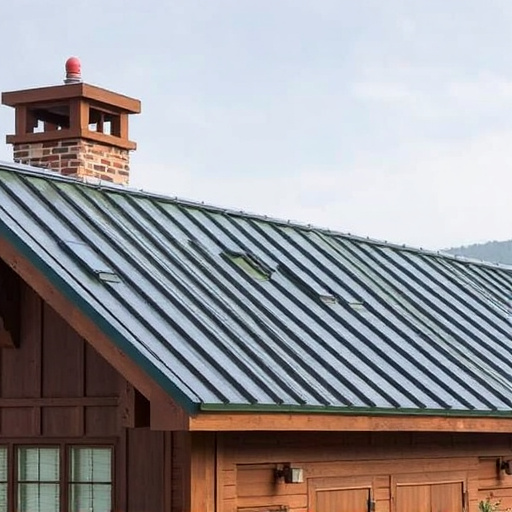
When selecting a metal roof color for your home in the scenic Catalina Foothills, the choice goes beyond aesthetics. It's a strategic decision that can enhance your home's curb appeal, energy efficiency, and even structural integrity. In this landscape of towering peaks and diverse architecture, the right shade can blend harmoniously with the natural surroundings while catering to the specific needs of your property.
Consider the exposed versus hidden fasteners design. If your roof is designed with visible fastening systems, choose a color that complements the surrounding environment. A natural metal finish or a subtle earth tone can mimic the look of local materials like wood or stone, creating a seamless and aesthetically pleasing effect. In contrast, hidden fasteners offer a clean, modern aesthetic. In this case, vibrant or rich colors can stand out against the backdrop of the desert sky, adding a bold design element to your home. An experienced Oro Valley roof specialist can guide you in balancing form and function, ensuring your metal roof becomes an asset that enhances your home's unique character.
The type of coating you select also plays a crucial role. Stone coated steel panels, known for their durability and realism, offer a wide range of colors. These panels mimic the look of natural stone or slate, providing both beauty and strength. On the other hand, Kynar-coated panels boast exceptional colorfastness and UV protection, preserving the vibrancy of your chosen shade over time. When choosing, think about the long-term visual appeal and performance you desire. If you prioritize a natural look, a subtle gray or brown shade with a synthetic underlayment can provide both while ensuring your roof remains protected from the harsh desert climate.
HOA approval is another essential factor. The local Homeowners Associations (HOAs) in the Foothills often have guidelines regarding exterior color palettes. Ensure your chosen metal roof color and coating align with these regulations to avoid any delays or issues. Keep in mind that some HOAs might encourage energy-efficient or environmentally friendly options, providing an opportunity to select colors that not only meet their criteria but also contribute to a more sustainable neighborhood.
Coatings for Longevity: Hidden vs Exposed Fasteners
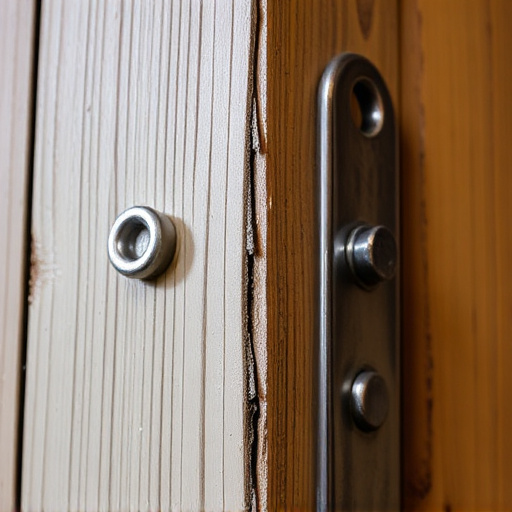
When selecting a metal roofing system for your Oro Valley home, one crucial aspect that often gets overlooked is the type of fasteners used. While both exposed and hidden fasteners have their merits, understanding their differences is essential for ensuring a durable, long-lasting roof-especially in the foothills' unique conditions.
In regions like Oro Valley, where monsoon winds and occasional severe storms can pose challenges, a well-installed metal roof is paramount. Hidden fasteners, also known as concealed or counter-sunk screws, offer several benefits. They provide a sleek, clean appearance by keeping the fastening mechanism out of sight, enhancing the aesthetic appeal of your home. This method is particularly popular for modern homes where design and functionality go hand in hand. Hidden fasteners can improve wind resistance. During a storm, the lack of exposed screws reduces the potential for damage, as there are no sharp edges or points to catch wind. Stone coated steel, a popular choice in the region due to its Class A fire rating and durability, pairs exceptionally well with hidden fasteners, creating a robust and visually appealing roof.
On the other hand, exposed fasteners, such as screws or nails, provide direct, visible attachment of the panels to the deck. While they may be more visible, they offer excellent wind resistance, as the fastening points are exposed and can withstand high winds directly. This is especially important in areas prone to severe weather. However, it's crucial to balance this with potential aesthetic considerations. In certain cases, exposed fasteners might not align with the desired design, especially for homeowners aiming for a more traditional or rustic look. A historic home might benefit more from exposed fasteners that complement its era, while a modern, minimalist design could be better served by hidden fasteners.
A licensed Oro Valley area roofing contractor, DC Roofing of Arizona, advises homeowners to consider their roof's exposure to the elements, their home's design, and personal preferences. A homeowner in a high-wind zone might prioritize exposed fasteners for added security, while someone seeking a low-maintenance, aesthetically pleasing option could opt for hidden fasteners. The choice between exposed and hidden fasteners should be a well-informed one, tailored to your specific situation.
HOA Approval: Navigating Foothills Regulations
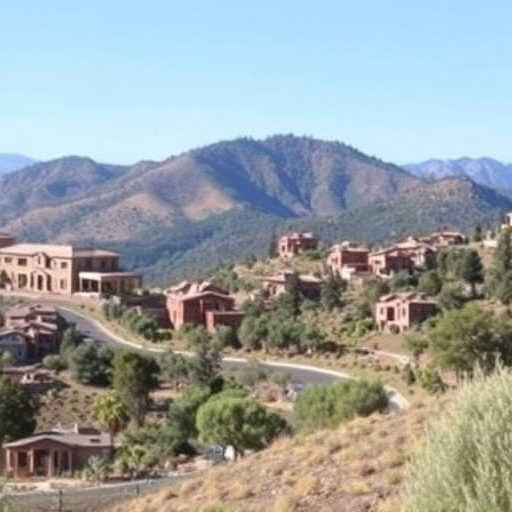
Navigating Homeowners Association (HOA) regulations for metal roofing in the foothills of Oro Valley can be a crucial step in ensuring your project's approval and longevity. The unique terrain and climate of this region present specific challenges and considerations for roofing materials, particularly when dealing with exposed versus hidden fasteners and the potential impact on surrounding landscapes.
HOAs in Oro Valley often have strict guidelines to maintain the aesthetic and structural integrity of residential areas. Metal roofs, known for their durability and low maintenance, can be a preferred choice for homeowners seeking long-term solutions. However, the approval process requires careful consideration of color, coatings, and installation techniques. One key aspect is the debate between exposed and hidden fasteners. Exposed fasteners, while offering a traditional aesthetic, can be a concern for HOAs due to potential maintenance issues. In contrast, hidden fasteners provide a seamless look, aligning better with the association's goals of maintaining a uniform and well-kept community. DC Roofing of Arizona, a local expert in the field, recommends consulting the HOA and understanding their specific requirements before installation.
For color and coatings, Kynar 500 PVDF coatings have gained popularity for their exceptional durability and resistance to UV rays. This technology ensures that metal roofs maintain their color and performance over time, even in the harsh conditions often found in the foothills. A well-chosen color palette that complements the surrounding landscape can enhance the overall appeal of the property. Proper preparation and coating techniques, such as using a high-quality underlayment and flashings, are essential to prevent leaks and ensure the longevity of the roof.
Lightning protection is another critical consideration, especially in areas prone to storms. Metal roofs can conduct electricity, making proper grounding and lightning protection systems vital. The National Roofing Contractors Association (NRCA) provides guidelines for safe installation, ensuring that metal roofs meet safety standards. By combining these best practices with HOA-approved styles, homeowners can achieve a secure and aesthetically pleasing roof that stands the test of time and harsh weather conditions.
Exposed Fasteners: Installation Best Practices
When considering a metal roof installation in the foothills, homeowners often face the decision between exposed and hidden fasteners. This choice goes beyond aesthetics; it significantly impacts installation, maintenance, and long-term performance. Exposed fasteners, visible once installed, are fastened directly to the roof deck and sheathing, offering a sleek, contemporary look. However, they also expose the fasteners to the elements, demanding meticulous installation to prevent leaks and corrosion.
A roofing contractor serving Oro Valley and Marana recommends the following best practices for exposed fasteners. First, ensure proper preparation of the roof deck and sheathing. This includes cleaning, inspecting, and repairing any damage or irregularities. Next, use high-quality materials, such as Galvalume steel, known for its exceptional resistance to corrosion. Neoprene washers can also be incorporated to enhance seal integrity at the fastener points. The contractor stresses the importance of precise alignment and tight fastening, without overtightening, to maintain the roof's structural integrity.
For maintenance, regular inspection is crucial. Look for loose fasteners, signs of rust, or any damage that may compromise the roof's water-tightness. Promptly addressing these issues, especially in the harsh desert climate, can prevent costly repairs down the line. Remember, exposed fasteners provide both a design statement and a challenge. By following these best practices, homeowners can enjoy the durability and aesthetic appeal of a metal roof while ensuring it stands the test of time, even in the foothills' unique conditions.
Frequently Asked Questions About advice on metal roof colors, coatings and HOA approval in the foothills
What colors are most suitable for metal roofs in the foothills?
The best metal roof colors in the foothills often blend with the natural environment. Earthy tones like forest green, charcoal, and rust-red are popular choices. These colors mimic the surrounding landscape and can enhance the curb appeal of your home while still standing out as modern, durable solutions. Consider the overall design of your home and your personal style to ensure the color complements, not clashes with, your surroundings.
How do I know if a metal roof color is approved by my HOA?
HOA approval of metal roof colors depends on your community's specific rules and regulations. Start by reviewing your HOA's governing documents or website. If rules regarding roof colors exist, they'll typically outline acceptable options. If unclear, reach out to your HOA board or a neighbor with a similar roof for guidance. Some HOAs may require color swatches or visual approvals to ensure the chosen color fits within the community's aesthetic standards.
What are the advantages of using a coating on metal roofs?
Coatings protect metal roofs from rust, corrosion, and UV damage, extending their lifespan. They also improve the roof's durability and can enhance its energy efficiency by reflecting sunlight. Coatings offer a range of colors and finishes, allowing you to personalize your roof's aesthetic while still meeting HOA requirements.
What type of coating is best for metal roofs in sunny climates?
In sunny climates, a reflective or cool coating is ideal. These coatings reflect sunlight, reducing heat transfer into your home and lowering cooling costs. They're designed to withstand intense UV exposure while preserving the metal's integrity and preventing premature fading or failure.
How long does a metal roof with a coating typically last?
A well-maintained metal roof with a quality coating can last 25 to 35 years, or even longer. The coating's lifespan depends on various factors, including the type of coating, installation quality, and environmental conditions. Regular cleaning and inspections are crucial to ensure the coating remains effective and extends the overall roof life.
Can I change the color of my metal roof later on?
Yes, you can usually change the color of a metal roof by applying a new coating. This process is more straightforward and less costly than replacing the entire roof. Ensure you choose a compatible coating that meets the manufacturer's recommendations for your existing metal surface. Consulting a professional for advice is helpful to achieve the best results.
Choosing a metal roof for your home in the foothills involves navigating a blend of aesthetic preferences, durability considerations, and regulatory requirements. By understanding the nuances of exposed versus hidden fasteners, you can ensure a quality installation that stands the test of time. Coatings, like Kynar-coated panels, offer enhanced protection against the unique environmental challenges of the region, including heat reflection, noise during rainfall, and potential damage from hail and lightning.
HOA approval is a critical step, as regulations in the foothills can be stringent, particularly regarding color and style. Working with a licensed local contractor who understands these rules can streamline the process. When installing metal roofs, best practices for exposed fasteners ensure a secure, long-lasting system, minimizing the risk of leaks at metal panel laps and preventing loose screws that could lead to rust.
The key takeaways are clear: prioritize longevity with the right coatings, respect local regulations through HOA approval, and ensure a robust installation using the appropriate fastening method. These steps will not only preserve the beauty and value of your home but also protect it from the unique challenges presented by the foothills' climate and environment.
When choosing a metal roof for your Oro Valley home, consider exposed vs hidden fasteners for optimal durability and aesthetics. Balance design with functionality, ensuring compliance with local HOA guidelines. Choose the right coating for long-term colorfastness and UV protection. Prioritize safety with lightning protection systems for peace of mind in harsh weather conditions.