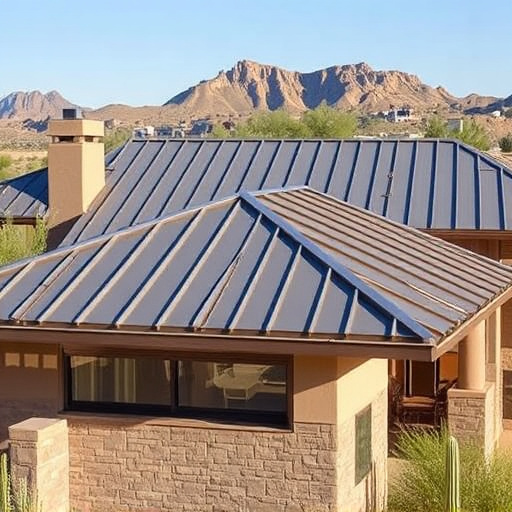
In the modern landscape of Oro Valley, where energy efficiency and aesthetic appeal collide, metal roofs stand out as a durable and stylish option. However, homeowners often face a peculiar challenge: understanding the unique care requirements of these structures. From the noise created during rainstorms to the expansion and contraction of metal under varying temperatures, these issues can impact both the longevity and appearance of your roof. Specifically, metal roof color fading naturally over time is a concern for many. This article examines the intricacies of maintaining your standing seam metal roof, offering practical solutions to ensure its resilience and vibrancy for years to come. By the end, you'll be equipped to address noise, expansion, and fastener care, enhancing your roof's performance and value.
- Understanding Metal Roof Noise: Causes and Mitigation
- Expansion and Contraction: Key to Metal Roof Longevity
- Fastener Care: Preventing Common Metal Roof Problems
- Addressing Color Fading: Natural Aging of Metal Roofs
Understanding Metal Roof Noise: Causes and Mitigation
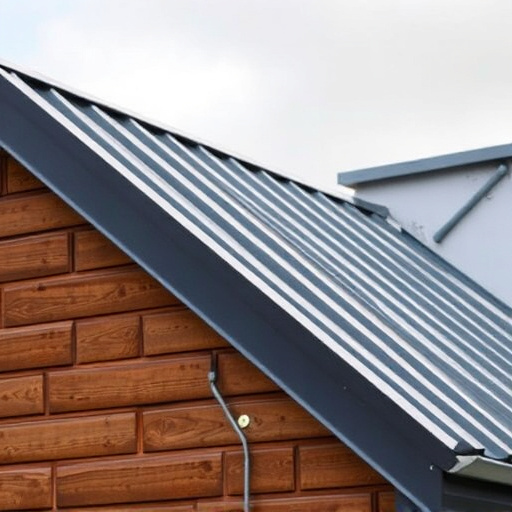
Metal roofs are renowned for their durability and low maintenance, but one aspect often requires attention: noise, especially during intense weather events like the monsoon winds that sweep through Oro Valley. Understanding and addressing metal roof noise is crucial for both new installations and existing structures, ensuring a peaceful living environment and protecting your investment.
The primary culprit behind metal roof noise is the resonance caused by wind, rain, and even foot traffic. Metal, being a rigid material, can transmit sound waves with remarkable clarity. Stone coated steel panels, popular for their aesthetic appeal and durability, are no exception. When exposed to these forces, the panels can vibrate, creating a distinct ringing or echoing sound. This is particularly noticeable in areas with strong winds, such as during the summer monsoon season. To mitigate this issue, contractors recommend several strategies. One effective method is to install a synthetic underlayment beneath the metal roof. This additional layer absorbs and disrupts the sound waves, significantly reducing the noise level. A local roofing company serving Oro Valley might use specialized underlayments designed to combat noise, ensuring a quieter home for residents.
Another concern with metal roofs is the potential for noise in the rain. As water runs down the panels, it can interact with the metal's surface, causing it to resonate and produce a unique sound. This phenomenon can be more pronounced with Kynar-coated panels, known for their superior reflectivity and durability. To address this specific issue, regular inspection and maintenance are key. Ensuring tight and secure fastening of the metal panels, especially at the edges and laps, can significantly minimize water seepage and associated noise. Proper installation by experienced contractors is essential to prevent long-term problems. Loose screws or poor fastener placement can lead to panel warping and increased noise over time.
As metal roofs age, they may also begin to show signs of color fading, which, while aesthetically noticeable, doesn't typically affect their structural integrity. However, it's worth mentioning that the expansion and contraction of metal due to temperature changes can cause minor noises, especially in areas with significant thermal variations. Regular cleaning and inspection can help maintain the aesthetic appeal of your metal roof. Removing dust and debris buildup can prevent the noise associated with the friction of foreign particles on the metal surface. By understanding these common noise concerns and implementing appropriate mitigation strategies, homeowners can enjoy the benefits of a metal roof while minimizing potential disturbances.
Expansion and Contraction: Key to Metal Roof Longevity
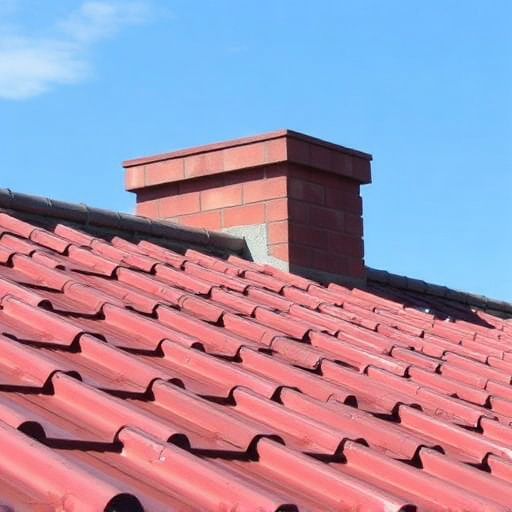
Metal roofs, with their sleek and durable design, are a popular choice for homeowners in our region, including Oro Valley. However, to ensure these roofs provide optimal performance for years to come, it's crucial to understand how metal expands and contracts with temperature changes. This natural phenomenon is a key factor in the longevity of your metal roof, and it's essential to be aware of the potential issues that can arise from it, especially when dealing with hail, a common concern in our area.
Expansion and contraction cause metal to slightly alter its shape, which can lead to a few significant consequences. First, it might result in minor gaps or overlaps in the panels, creating entry points for water during heavy rain. Over time, this could contribute to metal roof color fading, as UV exposure and moisture interact to accelerate the degradation of the exterior finish. To combat this, a crucial step in metal roof maintenance is ensuring proper flashing details around the edges and panels, allowing for some flexibility while still providing a tight seal. A roofer with an Arizona ROC license might recommend using synthetic underlayment, which offers superior protection against water intrusion and provides some give for the expanding metal.
Another effect of thermal expansion is the potential for loose or damaged fasteners. Exposed vs. Hidden fastener systems play a significant role in metal roof longevity. Hidden fasteners, designed to blend into the roof's surface, offer better protection against the elements and are less likely to become loose or rust. However, when dealing with older metal roofs, or those installed without proper consideration for fastener placement, loose screws can be a problem. Homeowners should be vigilant and regularly inspect their roofs for any signs of loose metal, especially after extreme weather events like hailstorms, which are frequent visitors to our region. Regular maintenance and timely repairs are essential to prevent further damage and ensure the roof remains secure.
Fastener Care: Preventing Common Metal Roof Problems
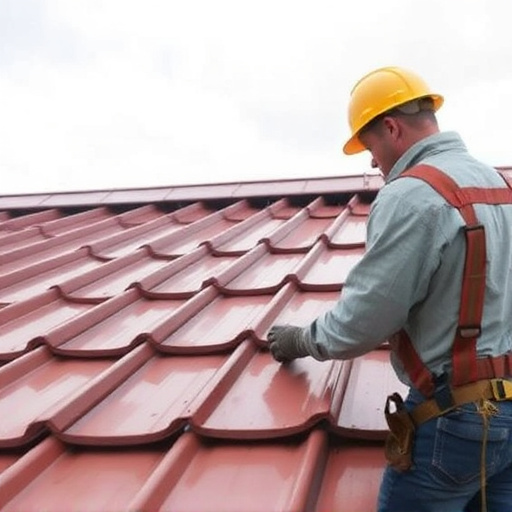
Metal roofs, with their durability and aesthetic appeal, are a popular choice for homeowners in Oro Valley and Marana. However, proper care is essential to ensure these structures remain functional and maintain their appeal over time. One often-overlooked aspect of metal roof maintenance is fastener care. Proper fastener management can prevent a range of common problems, from leaks and rust to color fading.
Metal roofs are subject to various environmental factors that can impact their performance. The intense monsoon winds and occasional lightning strikes in the region can create stress on fastener connections. The rapid expansion and contraction due to temperature changes can also lead to loose screws or nails over time. To mitigate these issues, homeowners and contractors should implement a proactive maintenance plan. This includes regular inspections to identify any fastener-related damage and timely replacement of worn-out components. Using the right type of fastener for the specific metal roof system is crucial. Kynar-coated panels, for example, require corrosion-resistant fasteners to prevent rust and ensure a long lifespan.
Proper fastener care contributes to the overall solar reflectance of the roof, which is vital in a region with intense sunlight. A well-maintained metal roof with secure fasteners can help maintain its natural heat-reflective properties, reducing the cooling load on the building. This not only extends the roof's life but also contributes to energy efficiency. A roofing contractor serving Oro Valley and Marana can offer expert advice on fastener selection, installation, and maintenance, ensuring your metal roof stays in top condition throughout the year, even during the unpredictable desert climate's challenges.
Regular checks and prompt repairs are key to preventing metal roof color fading due to environmental stress. By addressing fastener issues early, homeowners can maintain the structural integrity and aesthetic appeal of their metal roofs for years to come.
Addressing Color Fading: Natural Aging of Metal Roofs
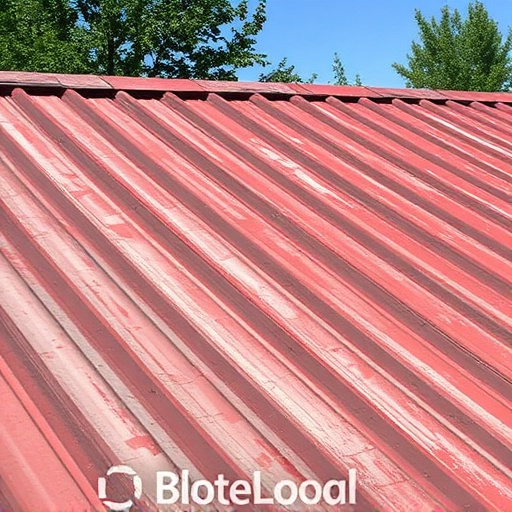
Metal roofs, with their durable and low-maintenance nature, are a popular choice for homeowners in sunny climes like Rancho Vistoso, Arizona. However, one concern that often arises is the natural aging process and its impact on the aesthetic appeal of these structures-specifically, metal roof color fading. Understanding this phenomenon is crucial for property owners, especially when considering the long-term investment in their roofing system.
The color fading of metal roofs is a natural result of exposure to various environmental factors. Over time, the sun's UV rays, varying weather conditions, and even the local air quality can contribute to a change in the roof's color. This process is often more noticeable in areas with high solar reflectance, like the desert regions, where the sun's rays are intense. A once vibrant copper or aluminum roof may start to take on a duller tone, or even develop streaks and spots, as it ages. This is not an indication of poor quality or faulty installation but a sign of the material's natural response to its surroundings.
While complete prevention of color fading is challenging, there are measures to mitigate its effects. Using high-quality Kynar-coated panels, known for their superior resistance to fading, is a proven method. These panels are designed to withstand the harshest conditions, retaining their original color for extended periods. Proper maintenance, such as regular cleaning and re-coating, can significantly slow down the fading process. A licensed Arizona roofer can provide expert advice on the best maintenance routines, tailored to the local environment. For homes in Rancho Vistoso, considering the region's unique characteristics, an annual inspection and maintenance schedule could be highly beneficial.
Another aspect to keep in mind is the fire safety rating of metal roofs. Many metal roofing materials, including those used in the Oro Valley area, carry a Class A fire rating, indicating their superior resistance to fire spread. This is particularly relevant when addressing potential issues like rust, which, while not affecting the structural integrity of the roof, could impact its aesthetic appeal and fire rating over time. Regular inspection and prompt repair of any potential problems can ensure the roof maintains its safety ratings and visual appeal, even as it ages gracefully.
Frequently Asked Questions About an explainer on noise, expansion and fastener care on metal roofs
What is the primary concern with metal roofs? Metal roofs are durable but subject to expansion and contraction with temperature changes. This can cause noise and potential fastener issues. Proper fastener care and an understanding of expansion and contraction are key to mitigating these problems, ensuring the roof remains secure and quiet.
How does expansion and contraction affect metal roofs? Metal expands and contracts with temperature fluctuations, leading to potential misalignment and stress on fastener connections. This can result in loud noises, particularly in wind or other environmental conditions, as the roof moves against the structure. Over time, poor fastener care during expansion and contraction can compromise the roof's integrity.
Why is fastener care important for metal roofs? Proper fastener care involves using the right type and length of fasteners for the specific metal type and thickness, and ensuring they are adequately fastened. This is crucial to prevent loosening due to expansion and contraction, which can cause noise, damage, and compromise the roof's seal, leading to water leakage.
What are some signs my metal roof needs fastener care? Noises like creaking, popping, or banging during weather changes, loose or protruding fastener heads, and visible gaps or misalignment in the roof panels are signs that fastener care may be needed. Water leakage and increased energy bills due to poor insulation can also indicate issues with fastener security.
How often should fastener care be performed on a metal roof? Regular inspections, at least annually, are recommended to check for loose or damaged fasteners. In areas with extreme temperature changes or high wind, more frequent inspections may be necessary. Promptly addressing any issues found during inspections can help prevent more serious problems.
Who should handle fastener care on a metal roof? A licensed and experienced Tucson garage door service, such as Eddies Garage Door Service, is best equipped to handle fastener care on metal roofs. Their specialists have the training and tools to ensure the job is done right, minimizing noise and maintaining the roof's integrity.
Understanding and managing key aspects of metal roof care is essential for any Tucson homeowner. By addressing the unique challenges posed by metal roof noise, expansion and contraction, and fastener care, we can significantly enhance their longevity and performance. The article has highlighted the importance of mitigating noise caused by wind and rain, as well as preventing problems from loose screws and rust. We've learned that metal roofs naturally age, with color fading being a normal part of their development.
Practical next steps for homeowners include regular inspections to ensure fastener security and proper maintenance to address any signs of wear and tear. When considering a metal roof, homeowners should also consult with licensed local professionals, like Eddies Garage Door Service, to understand the benefits and specific requirements of this durable roofing option. By following these guidelines, Tucson residents can enjoy the safety, durability, and aesthetic appeal that metal roofs offer, while also being aware of potential challenges and ensuring proper care.
Metal roofs in Oro Valley and surrounding areas offer durability and low maintenance, but they require proactive care. Noise from wind, rain, and foot traffic is common, mitigated by synthetic underlayment and proper fastener placement. Expansion and contraction due to temperature changes can cause panel gaps, leading to water intrusion and natural metal roof color fading. Regular maintenance, including inspection and timely repairs, prevents loose fasteners and prolongs the roof's lifespan. High-quality Kynar-coated panels and fire safety ratings further ensure a safe, aesthetically pleasing metal roof.