In the vibrant, sun-drenched landscape of Oro Valley, the choice of roofing material can significantly impact a home's curb appeal, energy efficiency, and longevity. With the growing popularity of metal roofing, homeowners face a crucial decision: standing seam, stone coated steel, or corrugated panels. Each option presents unique advantages and challenges, especially when considering the exposed vs hidden fasteners and their impact on aesthetics and maintenance. This article examines these distinctions, guiding homeowners and contractors alike through the process of selecting the most suitable roof, with a focus on performance, durability, and local regulations, as confirmed by the Oro Valley Building Department and local Homeowners Associations (HOAs).
- Understanding Material Choices: Standing Seam vs. Stone Coated Steel vs. Corrugated
- Fastener Types: Exposed vs. Hidden and Their Impact
- Installation Processes: A Detailed Look at Each Method
- Durability, Cost, and Maintenance: Which Panel Comes Out Ahead?
Understanding Material Choices: Standing Seam vs. Stone Coated Steel vs. Corrugated
When selecting a roofing material, homeowners in Oro Valley often debate between standing seam metal, stone coated steel, and corrugated panels. Each option offers unique advantages, but understanding the subtle differences-especially in terms of exposed versus hidden fasteners-is crucial for a successful install.
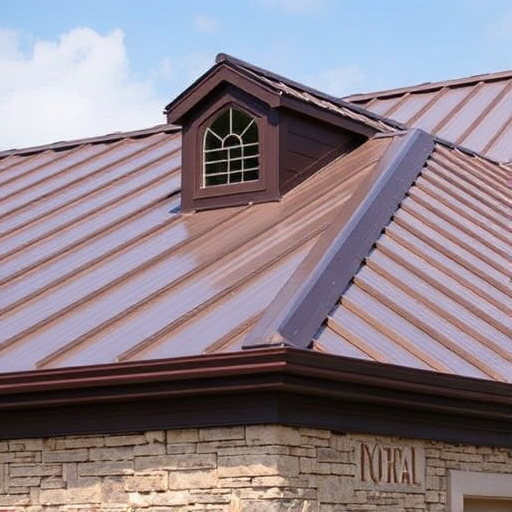
Standing seam metal roofs, a popular choice in the region, feature a continuous, interlocking design that creates a sleek, low-profile look. This method often employs hidden fasteners, securing panels with concealed screws that lie flat against the roof surface. This not only enhances aesthetics but also minimizes potential wind damage during monsoon seasons, as the fastener heads aren't exposed. The local building department and Homeowners Associations (HOAs) frequently approve of standing seam installations due to their durability and modern appeal, making them a preferred choice for many modern homes.
In contrast, stone coated steel panels offer a more traditional appearance with a natural stone texture. These panels are generally more affordable than their metal counterparts and are known for excellent resistance to corrosion and rust, especially when coated with Kynar, a durable polymer. While stone coated steel panels often expose fasteners, some modern designs incorporate hidden fastening systems, allowing for a cleaner look. This versatility makes them suitable for a wide range of architectural styles, from traditional to contemporary, and they can easily withstand the region's varying climates.
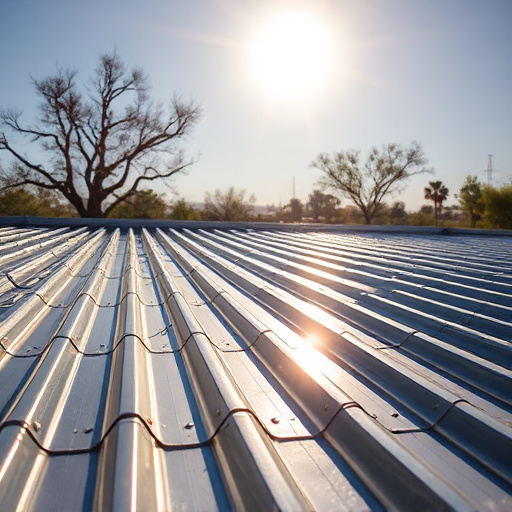
Corrugated metal panels, known for their strength and cost-effectiveness, have a distinct, wave-like appearance. Traditionally used for commercial structures and barns, these panels are gaining popularity in residential applications. Corrugated metal roofing excels at reflecting heat, making it an energy-efficient choice, but it typically relies on exposed fasteners. To ensure a secure installation, a roofer with an Arizona ROC license will meticulously plan fastener placement to meet local building codes and HOA architectural review guidelines, especially in areas prone to strong winds.
Each material has its unique advantages, and the choice ultimately depends on personal preference, building design, budget, and local regulations. A homeowner seeking a low-maintenance, high-end look might favor stone coated steel, while a modern contemporary home could benefit from the sleek lines of standing seam metal. Understanding these nuances ensures a successful roofing project that enhances the home's value and stands the test of time.
Fastener Types: Exposed vs. Hidden and Their Impact
When selecting a roofing material, the type of fastener used-exposed or hidden-is a crucial detail often overlooked. This choice impacts the overall aesthetic, durability, and maintenance of the roof. In Oro Valley, where architectural styles vary, understanding the difference between exposed and hidden fasteners is essential, especially when navigating HOA architectural reviews.
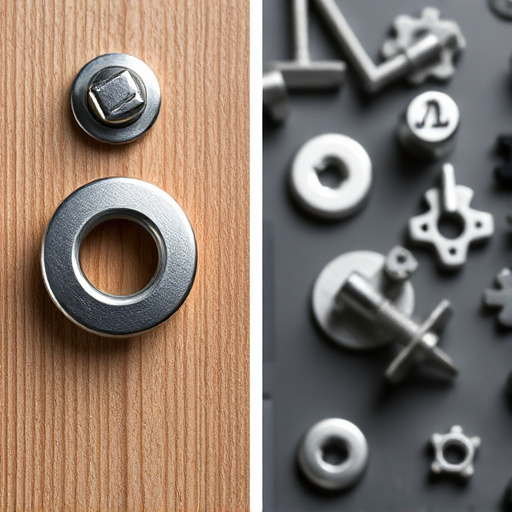
Exposed Fasteners: These are visible from the exterior, often used with traditional standing seam metal roofs. The panels are securely fastened together with screws or staples, creating a clean, seamless look. While this style offers excellent visibility for inspection and easy maintenance, it may not be suitable for all environments. In areas prone to extreme weather or high winds, exposed fasteners could be more susceptible to damage. Homeowners should consider the local climate and the potential impact on their roof's longevity.
Hidden Fasteners: Also known as R panel systems, stone coated steel roofs often utilize hidden fasteners, ensuring a smooth, seamless finish from the outside. These panels are securely locked together, hiding the fastening mechanism from view. This style is popular for modern homes, as it offers both aesthetic appeal and security. However, hidden fasteners might require more specialized installation techniques and tools, potentially impacting the cost. Homeowners considering stone coated steel should consult with a roofing contractor serving Oro Valley and Marana to understand the process and any additional considerations.
The choice between exposed and hidden fasteners is not merely about aesthetics. It involves balancing the desired look, the local climate, and the budget. Local building departments and HOAs often have specific guidelines, so homeowners must stay informed and ensure compliance. The Oro Valley Building Department provides resources on roof fastener types, emphasizing the importance of wind resistance and proper installation. Understanding these nuances ensures a successful installation, enhances the home's curb appeal, and potentially increases its resale value.
Installation Processes: A Detailed Look at Each Method
The installation process significantly influences the overall performance and longevity of a roof, making it a critical factor in any roofing project. When comparing standing seam metal roofs, stone coated steel panels, and corrugated metal roofing, each method presents unique advantages and considerations, particularly for the placement of fasteners.
Standing seam metal roofs, a popular choice in Oro Valley, offer a sleek and modern aesthetic. Installation involves creating a sealed, continuous barrier by folding the metal panel at the joint and securing it with hidden fasteners. This process ensures superior wind resistance and prevents water intrusion, making it a preferred option for desert environments. The Oro Valley Building Department often approves standing seam systems due to their durability and low maintenance. However, skilled labor is essential to achieve a proper seal, and loose screws can lead to noise during rainfall, a common concern for homeowners.
Stone coated steel panels provide a cost-effective alternative. These panels are designed with a stone-like surface, offering both beauty and durability. Installation typically involves securing the panels with exposed fasteners, making the process faster and more straightforward. However, this exposed fastening method may be less appealing aesthetically and could potentially provide more entry points for water if not properly sealed. A licensed Arizona roofer can ensure proper installation, utilizing synthetic underlayment for added protection against moisture.
Corrugated metal roofing, known for its traditional look, uses a different fastening approach. Corrugated panels are attached with exposed screws, creating a distinctive pattern. While this method is straightforward, it may not offer the same level of wind resistance as standing seam systems. To mitigate this, many contractors recommend additional sealing around the screws, especially in areas prone to high winds like Rancho Vistoso. The use of hidden fasteners, though more complex, ensures a more seamless finish, aligning with modern design trends.
Durability, Cost, and Maintenance: Which Panel Comes Out Ahead?

When comparing the durability, cost, and maintenance of different roofing panel types, understanding the distinctions between standing seam metal roofs, stone coated steel panels, and corrugated panels is essential. Each option presents unique advantages and challenges, with exposed versus hidden fasteners playing a significant role in their overall performance and longevity.
Standing seam metal roofs, for instance, are renowned for their durability and resistance to extreme weather conditions. These roofs are constructed with panels that are joined together by creating a standing seam, or a folded edge, which not only adds aesthetic appeal but also prevents water from seeping into joints. This design, coupled with high-quality materials, makes them resistant to rust and corrosion. However, the initial cost can be higher compared to other options due to the material's price and the skilled labor required for installation. While the panels themselves may last several decades, the exposed fasteners used in these systems can degrade over time, necessitating periodic replacement.
Stone coated steel panels, on the other hand, offer a cost-effective alternative that combines the durability of metal with the visual appeal of stone. These panels are made with a core of galvanized steel, coated with a stone-like mineral granule, and then topped with a protective coating. The use of Galvalume, a zinc-aluminum alloy, enhances corrosion resistance. The hidden fasteners used in these panels contribute to their low maintenance and long-term durability. While the initial installation costs may be lower than roofs, regular cleaning and inspection are required to maintain the aesthetic appeal and prevent damage from hail or extreme weather events.
Corrugated panels, often made from fiberglass or asphalt, are known for their lightweight construction and relatively low cost. They are versatile and can be used in a variety of applications, from residential to commercial buildings. However, these panels offer less protection against high winds and extreme weather conditions compared to roofs or stone coated steel panels. The exposed fasteners used in corrugated panels can also be more susceptible to damage, leading to potential leaks and structural issues over time. While they may be suitable for lighter structures or as a temporary solution, they often require more frequent maintenance and replacement.
When choosing a roofing material, a licensed Arizona roofer can provide valuable insights. They can help you weigh the costs, benefits, and maintenance requirements of each option based on your specific needs and local conditions. The best choice depends on factors like budget, climate, aesthetic preferences, and the structural integrity of your building.
Frequently Asked Questions About a Comparison of Standing Seam, Stone Coated Steel, and Corrugated Panels
What are the key differences between these three types of roofing panels?
Standing seam, stone coated steel, and corrugated panels offer distinct advantages. Standing seam panels are known for their elegant, low-profile design with concealed fastening, making them ideal for aesthetic considerations. Stone coated steel is renowned for its durability, offering superior resistance to rust and corrosion. Corrugated panels, characterized by their wave-like pattern, provide excellent wind resistance and are often chosen for their cost-effectiveness. Each type caters to specific needs, be it visual appeal, longevity, or budget constraints.
Which material is most suitable for high-wind regions?
In regions prone to high winds, corrugated panels excel due to their inherent flexibility and strength. The wave pattern allows panels to flex slightly, dissipating wind pressure, and their robust construction withstands extreme weather conditions. While standing seam and stone coated steel panels are also durable, corrugated panels are specifically designed to resist high winds, making them a superior choice for such environments.
How do these materials fare in terms of fire resistance?
All three materials offer varying degrees of fire resistance. Stone coated steel is known for its excellent resistance, as the stone coating provides a protective barrier against flames. Standing seam panels, with their seamless design, offer good fire resistance, but the specific rating can vary by manufacturer. Corrugated panels, while not typically fireproof, have a good track record of withstanding fires, especially when properly installed and maintained.
Are stone coated steel panels easier to install than the others?
Installation complexity varies. Stone coated steel panels are often easier to work with due to their lightweight nature and smooth surface, making them more accessible for installers. Standing seam panels require specialized tools and skills for their concealed fastening system, adding a layer of complexity. Corrugated panels, while sturdy, may necessitate additional bracing during installation, making them slightly more labor-intensive.
Which material offers the best value for money?
Cost considerations are crucial. Corrugated panels are typically the most affordable option, making them an excellent choice for budget-conscious homeowners. Standing seam panels, with their premium design and durability, carry a higher price tag but offer long-term benefits. Stone coated steel falls between these two, providing a balance between quality and cost. The best value depends on individual priorities and budgets.
The choice between standing seam, stone coated steel, and corrugated metal panels depends on specific project needs. Each material offers distinct advantages and considerations. Roofs, for instance, are known for their durable Kynar coating, excellent heat reflection, and ability to withstand strong winds, making them a top choice for modern homes and commercial buildings in Oro Valley. On the other hand, stone coated steel panels provide a more affordable alternative with a longer lifespan, while still offering excellent corrosion resistance. Corrugated metal roofing, while offering the lowest upfront cost, may require more maintenance due to its exposed fasteners, which can be susceptible to loose screws and rust, particularly in harsh climates.
For fastener types, the decision between exposed and hidden fasteners is crucial. Exposed fasteners provide a more traditional, aesthetically pleasing look but may require more upkeep to prevent rust and ensure the roof's integrity. Hidden fasteners, while initially more expensive, offer enhanced protection against the elements and can be less noticeable, aligning better with the design goals of many contemporary homes.
Understanding these material choices and their implications is essential for homeowners and contractors alike. Proper installation, including detailed flashing and underlayment, is paramount for all types. Regular maintenance, especially for corrugated metal, will ensure longevity and prevent leaks at metal panel laps. Considering local building codes, HOA approvals, and energy efficiency goals can further guide the selection process.
By synthesizing these insights, readers are equipped to make informed decisions when choosing between standing seam, stone coated steel, and corrugated metal panels, ensuring their investment in a durable, low-maintenance, and aesthetically pleasing roof.
When choosing a roofing material, consider exposed vs hidden fasteners for aesthetic, durability, and maintenance reasons. Standing seam metal (popular, sleek, hidden fasteners) vs stone coated steel (affordable, natural look, hidden fasteners) vs corrugated metal (cost-effective, exposed fasteners) each have unique pros and cons. Fastener choice impacts wind resistance, maintenance, and local HOA approval. Consult a licensed Arizona roofer to weigh options based on your specific needs and local conditions.