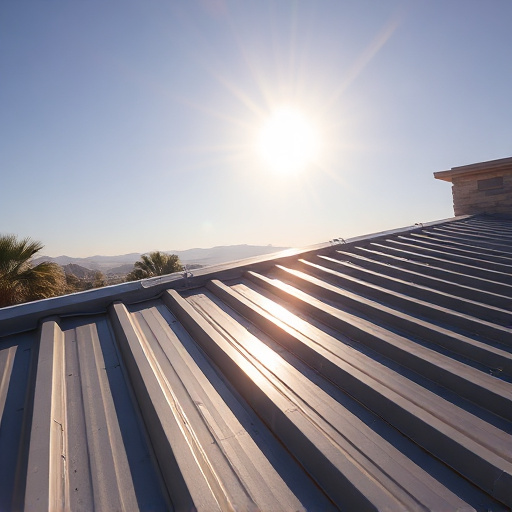
In the changing landscape of roofing, metal roofs for barns and casitas have emerged as a popular and durable choice for homeowners in standing seam-adorned Oro Valley. This isn't just a trend; it's a thoughtful decision driven by the exceptional performance and longevity of these structures. However, as with any roofing system, metal roofs come with unique care requirements, especially for managing noise, accounting for expansion, and ensuring proper fastener maintenance. This article examines these crucial aspects, providing expert insights into maintaining the integrity and aesthetic appeal of your metal roof, from the noise of rain on the surface to the subtle expansion and contraction in varying climates.
- Understanding Metal Roof Noise: Causes and Mitigation
- Expansion and Contraction: Managing Metal Roof Movement
- Fastener Care for Longevity: A Metal Roof Guide
- Best Practices for Metal Roofs on Barns and Casitas
Understanding Metal Roof Noise: Causes and Mitigation
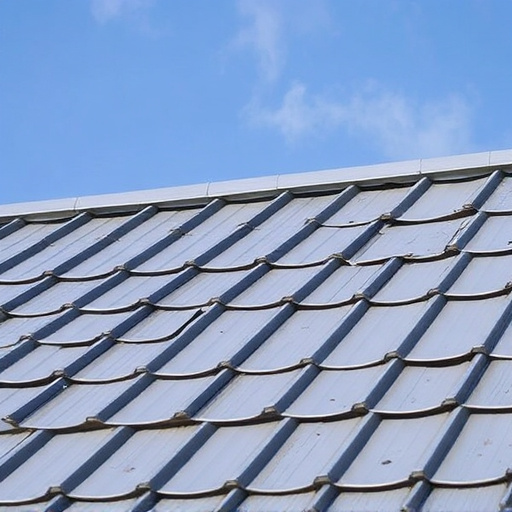
Metal roofs, particularly standing seam designs, are known for their durability and low maintenance. However, a common concern among homeowners is the potential for noise, especially when it rains. Understanding the sources of this noise and proper installation techniques can significantly enhance the performance and peace of mind associated with your metal roof.
Metal roofs can produce noise due to several factors. One primary cause is the expansion and contraction of the metal panels under varying temperature conditions, particularly during rainfall. When water hits the roof, it can cause the metal to vibrate, leading to a distinct ringing or clanging sound. This phenomenon is exacerbated by loose fasteners or improper fastener placement, which can create additional movement and noise. Exposed fasteners can rattle in the wind or when walking on the roof, further contributing to an unwanted auditory experience.
To mitigate metal roof noise, especially in structures like barns and casitas, several strategies can be employed. First, ensure that all fasteners are securely fastened and properly spaced during installation. DC Roofing of Arizona, a licensed Oro Valley area roofing contractor, emphasizes the importance of adhering to manufacturer guidelines for fastener placement and torque specifications. Consider using synthetic underlayment beneath the metal roof. This layer can absorb movement and reduce noise transmission to the interior. Many synthetic underlayments also offer Class A fire ratings, enhancing the structural safety of your home. Applying a PVDF coating, known for its excellent weather resistance and reflectivity, can help minimize noise caused by expanding metal. These coatings create a smooth surface, reducing the potential for noise-inducing vibrations.
Expansion and Contraction: Managing Metal Roof Movement
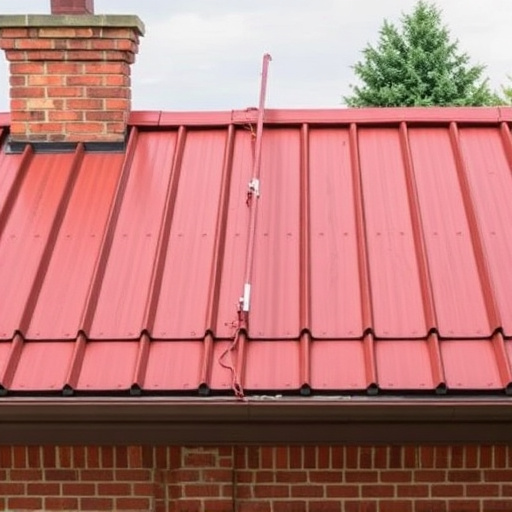
Metal roofs, especially those made from standing seam and stone coated steel panels, offer unparalleled durability for Oro Valley's diverse weather conditions. However, one challenge unique to metal roofing is managing expansion and contraction due to temperature changes. This natural movement can lead to issues like loose screws, visible gaps, or even leaks if not addressed properly.
Consider the metal roof as a flexible structure trapped within a rigid frame-the building itself. When temperatures rise and fall, metal expands and contracts at a different rate than the supporting structure. This differential movement is most pronounced in areas with significant temperature fluctuations, like the desert environment surrounding Oro Valley. To mitigate these effects, a well-designed metal roof system incorporates several key components.
First, the use of synthetic underlayment beneath the metal panels acts as a buffer, allowing for some give during expansion and contraction. This prevents excessive stress on the fastening system. Choosing a metal roof with a PVDF coating, like Kynar-coated panels, enhances resistance to both heat and UV radiation. This not only maintains the structural integrity of the roof but also preserves its aesthetic appeal over time.
An experienced Oro Valley roof specialist recommends regular inspections to identify any loose or damaged fasteners. During these checks, look for signs of rust, which can weaken fastening points, and ensure that all screws and bolts are tightened securely. Remember, metal roofs for barns and casitas, while robust, require ongoing care to maintain their performance and longevity. By addressing expansion and contraction-related concerns, homeowners can ensure their metal roof remains a reliable and efficient protection for years to come.
Fastener Care for Longevity: A Metal Roof Guide
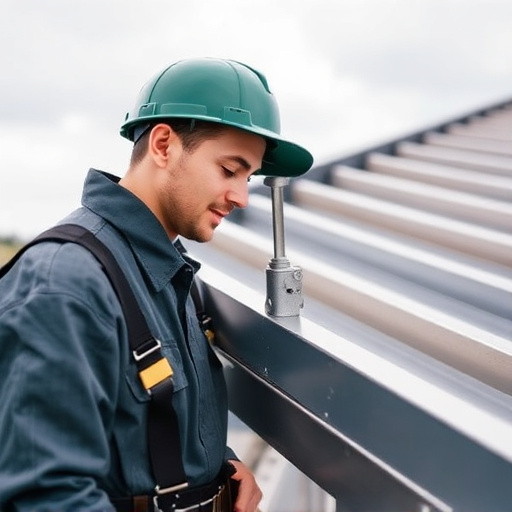
Proper fastener care is crucial for the longevity of metal roofs, especially when installed on structures like barns and casitas. Metal roofs, known for their durability and low maintenance, still require attention to detail for fastener security. One of the key components to a successful installation is ensuring that all fasteners, from screws to bolts, are tightly secured and protected from the elements.
In the case of Kynar 500 coated panels, which offer exceptional solar reflectance and resistance to UV degradation, proper fastener care is even more critical. The coating on these panels provides excellent heat reflection, helping to keep the building below cooler, but it also requires additional safeguarding to prevent loosening due to thermal expansion. Metal roofs expand and contract with temperature fluctuations, and this movement can put stress on fasteners, especially in areas with extreme weather conditions, like hailstorms. A roofer with an Arizona ROC license emphasizes the importance of using the appropriate fastening methods and materials to counter this natural expansion and contraction, ensuring the roof remains secure throughout its lifespan.
To safeguard against loose screws and potential leaks at metal panel laps, regular maintenance is essential. This includes periodically inspecting the roof for any signs of rust or corrosion, especially in areas where fasteners are exposed to the elements. Replacing any damaged or rusted fasteners immediately is vital to maintain the roof's integrity. Using rust-resistant screws and applying a protective coating to fasteners can significantly extend their lifespan and prevent premature replacement, which can be costly, especially for larger metal roofs on barns and casitas. Ensuring proper flashing details around vents, chimneys, and other penetrations is crucial to prevent water intrusion, a leading cause of metal roof leaks.
Long-term success with metal roofs for barns and casitas requires a thoughtful approach to fastener care. By understanding the unique challenges posed by thermal expansion, moisture, and corrosion, homeowners and property managers can ensure their metal roofs remain as effective and durable as the day they were installed.
Best Practices for Metal Roofs on Barns and Casitas
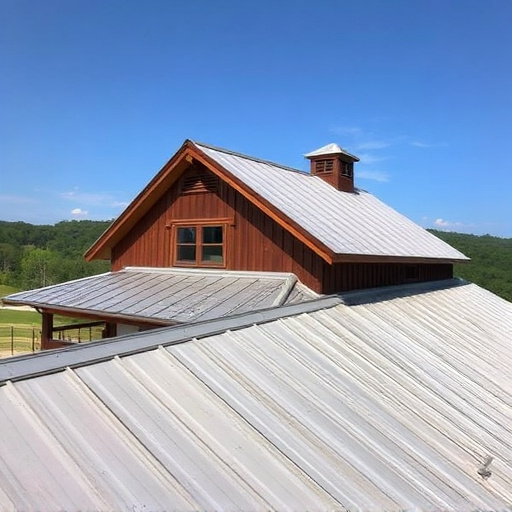
When considering metal roofs for barns and casitas in the Catalina Foothills, careful consideration of noise, expansion, and fastener care is crucial. Standing seam metal roofing, a popular choice for these structures, offers excellent durability and low maintenance but requires specific attention to these factors.
Noise abatement is essential in residential areas, and metal roofs can be particularly loud during rain events. The hard, reflective surface of metal can amplify sound, creating a potential nuisance for neighbors. To mitigate this, proper ridge venting is vital. A well-designed ridge vent system, integrated into the standing seam metal roof, allows for better airflow and reduces the buildup of heat, which in turn diminishes noise levels. A local roofing contractor like DC Roofing of Arizona often specifies ridge vents in these installations to ensure a quieter, more peaceful environment for local residents.
Expansion and contraction of metal due to thermal changes can also pose challenges. The Catalina Foothills' varying climate means metal roofs will experience significant temperature shifts. Standing seam metal roofing, characterized by its locked seam design, is inherently flexible and can handle these movements without damage. However, it's crucial to ensure the fastener system is compatible with the metal's expansion coefficient. Using the right type of screws and washers, specifically designed for metal roofing, prevents issues like loose screws or panel damage over time. This proactive approach ensures the metal roof for your barn or casita not only looks good but also performs optimally and lasts for years.
Frequently Asked Questions About an explainer on noise, expansion and fastener care on metal roofs
What is the primary consideration when installing metal roofs?
The primary focus during installation is ensuring proper fastening to withstand local climate conditions, particularly wind and snow loads. Unlike traditional roofing, metal expands and contracts with temperature changes, demanding specific fastener types and spacing to prevent damage and leaks.
How does expansion and contraction affect metal roofs?
Metal roofs expand and contract based on temperature fluctuations. This movement can cause stress on fastenings if not accounted for. Proper fastener selection and spacing, often more generous than with other materials, is crucial to maintain a secure and leak-free roof.
What types of fasteners are best for metal roofing?
For maximum strength and durability, use mechanical fastening systems designed specifically for metal roofing. These include ring shank nails, self-drilling screws, and rivets. These fasteners penetrate the panel's core, providing superior holding power through the metal's thickness.
How do I know if my metal roof needs noise reduction?
Noisy metal roofs often result from loose fastenings or poor installation. Inspect your roof for signs of movement, rust, or loose panels. If you can hear significant noise from above, noise reduction should be considered. A licensed roofer can assess and implement effective solutions.
What are the signs of fastener failure on a metal roof?
Keep an eye out for rusting, corrosion, or loose panels. These are clear indications of compromised fastener integrity. Regular maintenance inspections are vital to catching potential problems early, preventing costly repairs and ensuring the long-term integrity of your roof.
As this article has demonstrated, metal roofs offer significant advantages for properties in standing seam areas, from their energy efficiency and longevity to their fire resistance and low maintenance. However, understanding the specific challenges they present is crucial for a successful installation. The noise associated with metal roofs, for instance, is a common concern that can be effectively mitigated with the right design and installation techniques. Expansion and contraction, while natural phenomena, require careful consideration to prevent damage, with proper flashing and underlayment playing key roles. Fastener care is another critical aspect, ensuring the roof's structural integrity for its entire lifespan.
The article highlights the unique considerations for installing metal roofs on barns and casitas, emphasizing the need for durable materials and specific installation methods to withstand the demands of these structures. By following best practices and addressing these key areas, homeowners and contractors can maximize the benefits of metal roofs, enhancing the overall value of properties in Oro Valley and beyond. The information provided serves as a practical guide, empowering both professionals and property owners to make informed decisions regarding this durable and versatile roofing option.
Metal Roof Care for Barns and Casitas:
Metal roofs, especially standing seam, offer durability and low maintenance for Oro Valley structures. However, noise from rain, expansion, and fastener issues are concerns. Proper solutions include:
- Noise Reduction: Use ridge venting to minimize sound transmission.
- Expansion Management: Choose synthetic underlayment and PVDF-coated panels (like Kynar) to handle temperature changes and prevent damage.
- Fastener Care: Secure all fasteners during installation, use rust-resistant materials, and regularly inspect for wear and tear to ensure longevity.
Following these practices ensures metal roofs for barns and casitas perform optimally, quietly, and durably in Oro Valley's climate.