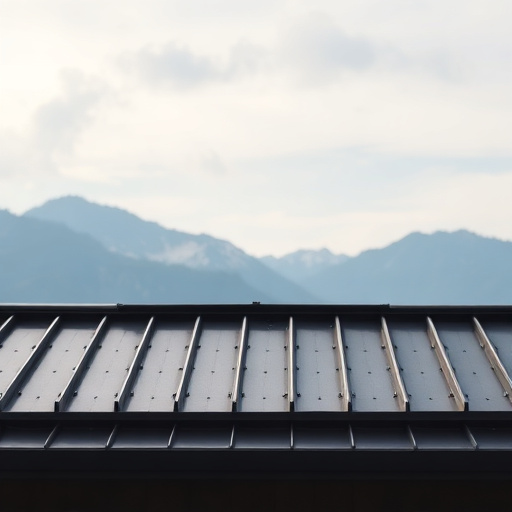
In the arid landscape of standing seam, the choice of roofing material can significantly impact the longevity and energy efficiency of modern desert, ranch, and barn-style homes. Metal roofs, with their durability and low maintenance, are gaining popularity. However, one challenge that frequently arises is the potential for leaks at metal panel laps, especially in harsh weather conditions. This guide aims to provide homeowners and contractors with a comprehensive understanding of standing seam metal roofs, addressing installation, performance, financial considerations, and maintenance to ensure a reliable and long-lasting roof solution. We'll examine the technical aspects, safety standards, and best practices to help you make informed decisions.
- Choosing Metal Roofs: Desert, Ranch, & Barn Styles
- Installation Basics: Standing Seam & Lap Joins
- Leak Prevention: Sealing Metal Panel Laps
- Maintenance & Longevity: Metal Roof Care
Choosing Metal Roofs: Desert, Ranch, & Barn Styles
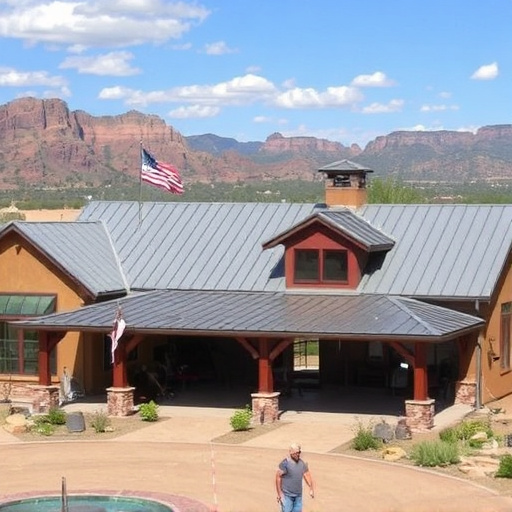
Choosing the right roofing material is a crucial decision, especially for homes in arid climates like Oro Valley. When considering metal roofs for desert, ranch, or barn-style homes, several factors come into play. The unique characteristics of these buildings and their surrounding environments demand specific roofing solutions. Let's examine the considerations and benefits of metal roofing in these styles, with a focus on practical choices and leak prevention.
Metal roofs, particularly standing seam designs, offer a durable and low-maintenance option. The traditional exposed fastener system, while aesthetically pleasing, can be susceptible to leaks at the panel laps if not installed correctly. However, advancements in technology have introduced hidden fastener systems and innovative panel designs. Stone coated steel panels and corrugated metal roofing provide exceptional strength and corrosion resistance. These materials are known for their longevity, often lasting 30-50 years with proper maintenance. The renowned Kynar coating, for example, enhances the reflectivity of metal, reducing heat absorption and contributing to energy efficiency in desert homes.
When selecting a metal roof for a ranch-style home or barn, consider the structure's unique needs. Galvalume, a popular alloy known for its corrosion resistance, is well-suited for these structures. Its unique composition allows it to withstand the harsh desert conditions, including exposure to UV radiation and varying temperature extremes. For modern homes with tile or brick accents, metal roofing can be creatively integrated, providing a sleek, contemporary look. A licensed Oro Valley area roofing contractor can offer expert advice on choosing the right panel gauge, ensuring proper drainage, and addressing potential concerns like rust and hail damage, all while focusing on leak prevention at the critical lap joints.
Installation Basics: Standing Seam & Lap Joins
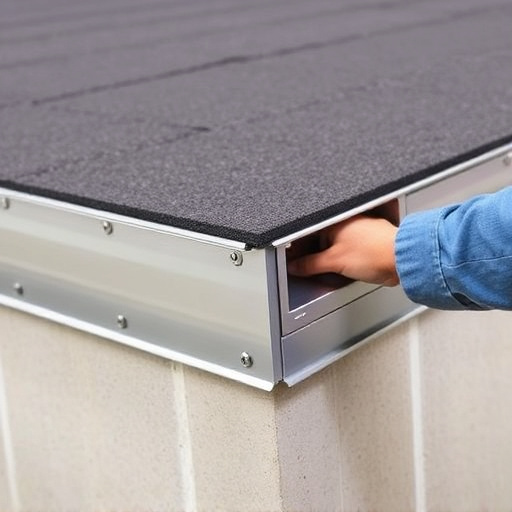
The installation of standing seam metal roofs, a popular choice for modern desert, ranch, and barn-style homes in Oro Valley, requires careful consideration of details like lap joins and flashing to ensure durability, especially in harsh conditions like those experienced during the monsoon winds in the Catalina Foothills. These roofs, known for their sleek, low-profile appearance, offer excellent protection against the elements, including hail, a common concern for homeowners in this area.
When installing standing seam roofs, meticulous attention is crucial at the laps of the metal panels. Proper lap joining techniques prevent leaks at these critical points, which can be exacerbated by the region's strong winds and potential for heavy rainfall. A licensed Oro Valley area roofing contractor, experienced in the local climate, should utilize specific methods and materials to achieve a watertight seal. This includes the selection of appropriate fastening systems, such as hidden or exposed fasteners, based on the roof's design and aesthetic preferences while ensuring structural integrity.
To mitigate the risk of leaks, contractors should employ techniques like interlocking panel laps and the use of sealants or tape. A common practice is to overlap panels and secure them with screws, creating a tight seal. The choice of panel gauge and material, like Kynar-coated stainless steel, matters in a metal roof's longevity. These panels must be properly flashed and secured to the underlayment, a layer that provides an extra barrier against moisture penetration.
Regular maintenance, including inspecting for loose screws and signs of rust, is vital to ensure the roof's integrity, especially after extreme weather events. Homeowners should be aware of potential issues like leaks at metal panel laps and be proactive in maintaining their metal roofs to maximize their lifespan and protect their investment, particularly in areas prone to hail events.
Leak Prevention: Sealing Metal Panel Laps
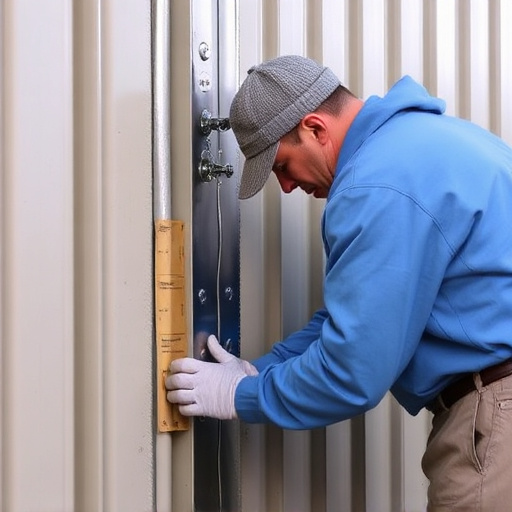
Preventing leaks at metal panel laps is a critical step in ensuring the long-term durability of your metal roof. When properly sealed, these laps create a continuous barrier against water intrusion, protecting your home from potential damage caused by moisture. One effective method for achieving this is through the use of concealed clips, which not only secure the panels but also create a watertight seal. These clips are designed to be hidden from view, preserving the aesthetic appeal of your metal roof while maintaining its structural integrity.
To concealed clips, a ridge vent matters in leak prevention. By allowing the escape of trapped moisture, a ridge vent helps to reduce the risk of water pooling and seeping into the roof system. When combined with a synthetic underlayment, which provides an extra layer of protection against leaks and offers superior wind resistance, you can further enhance the roof's performance against the elements. A licensed Arizona roofer can guide you in choosing the right materials and ensuring they are installed correctly, addressing potential issues before they become costly repairs.
Proper installation and regular maintenance are key to preventing leaks at metal panel laps. Homeowners should inspect their roofs for any signs of damage or wear, such as loose or missing clips, and address them promptly. Keeping the roof's surface clean and free of debris can prevent water damage by ensuring that rainwater flows smoothly off the roof instead of pooling in certain areas. By following these recommendations, you can extend the lifespan of your metal roof and enjoy its many benefits for years to come.
Maintenance & Longevity: Metal Roof Care
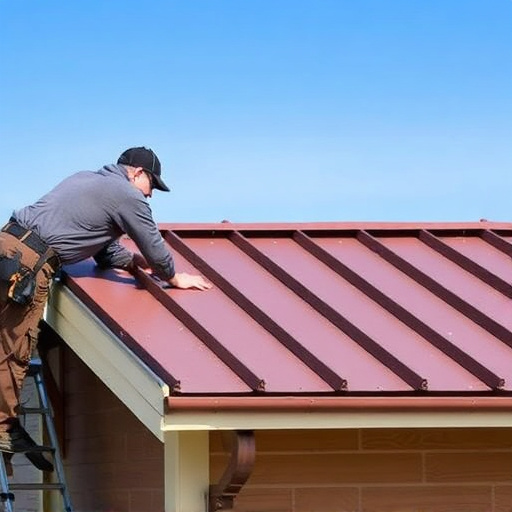
Maintaining a metal roof is a key factor in ensuring its longevity, especially in the unique climate of Oro Valley. With the right care, these durable roofing systems can last for decades, providing a strong and reliable defense against the elements. One of the most important aspects to monitor is the condition of the laps, or seams, between metal panels. Over time, these connections can become vulnerable to leaks, especially when thermal expansion and contraction occur during extreme temperatures.
Regular inspections are crucial to identifying potential issues early. Homeowners should look for signs of corrosion, rust, or loose fasteners, especially at the laps. The use of concealed clips and properly sealed joints can significantly reduce the risk of leaks at these critical points. A roofer with an Arizona ROC license will employ techniques like pre-drilling and using appropriate fasteners to ensure these connections are secure and maintain their integrity over time. It's also important to address any damage promptly to prevent further complications.
For maintenance, a proactive approach is best. Most metal roofs, including stone coated steel varieties, require minimal upkeep. However, periodic cleaning to remove dirt, dust, and debris, as well as reapplying protective coatings, can extend the life of the roof. The popular Kynar coating, for instance, offers excellent heat reflection and resistance to fading, chipping, and cracking. Understanding the unique thermal expansion properties of metal is key to managing potential issues caused by temperature fluctuations, ensuring the roof remains intact and leak-free.
Frequently Asked Questions About a guide to metal roofs on modern desert, ranch and barn style homes
What are the benefits of metal roofs for desert, ranch, and barn homes? Metal roofs offer superior durability, low maintenance, and energy efficiency for desert, ranch, and barn homes. They withstand extreme temperatures, resist rust and corrosion, and provide long-lasting protection against harsh weather conditions common in these regions. Their reflective surface also reduces heat transfer, leading to lower cooling costs.
How long do metal roofs typically last? Metal roofs can last 40-60 years with proper installation and maintenance. This longevity, combined with their durability, makes them a cost-effective choice for homeowners in the long run, especially when compared to more frequently replaced materials like asphalt shingles.
Are metal roofs suitable for all climates? While metal roofs excel in hot, dry climates like desert regions, they can also adapt to other environments. Their resistance to wind, snow, and ice makes them suitable for many areas, including some colder climates. However, local weather patterns and specific building codes should be considered, so consult a local roofing expert.
How do metal roofs differ from traditional shingles? Metal roofs offer distinct advantages over traditional shingles, including superior wind resistance, non-combustible materials, and a quieter, more aesthetically pleasing look. They don't require frequent replacement, and their longer lifespan reduces waste. Their reflective surface contributes to reduced energy consumption.
What is the installation process for a metal roof? Installation typically involves placing a primary layer of underlayment, followed by specialized hardware and the metal panels. The process requires skilled professionals to ensure proper alignment, sealing, and fastening. Most installations take one to two days, depending on the size of the project.
How do I maintain a metal roof? Metal roofs require minimal maintenance, mainly consisting of periodic cleaning to remove dirt or debris. Inspecting for damage, especially after severe weather, is also crucial. Regular maintenance ensures the longevity of the roof and helps maintain its warranty.
Are there different styles of metal roofs suitable for ranch and barn homes? Yes, metal roofs come in various styles, from standing seam to panel systems, each offering unique visual appeal. For ranch homes, a seamless look might be preferred, while barn homes can benefit from more rustic, exposed fastener designs. A local roofing contractor can guide you in choosing the best style for your structure.
For safeguarding your modern desert, ranch, or barn-style home, a metal roof offers a robust, low-maintenance solution. By understanding the unique considerations of these styles and the installation, maintenance, and potential issues, like leaks at metal panel laps, you can make an informed decision. This guide has equipped you with essential knowledge about standing seam metal roofs, from choosing the right style for your home to ensuring longevity through proper care.
Key insights include the importance of sealing metal panel laps to prevent water intrusion, choosing the right panel gauge for your climate, and maintaining a professional installation to avoid costly repairs. By prioritizing these aspects, you can expect a durable roof that reflects heat, reduces noise, and enhances your home's curb appeal for years to come. Moving forward, consider consulting local experts, like DC Roofing of Arizona, for personalized advice and ensure your metal roof meets all HOA requirements and local building codes.
Summary:
Metal roofs, especially standing seam designs, offer excellent durability and low-maintenance solutions for desert, ranch, and barn homes in Oro Valley. However, proper installation and leak prevention at panel laps are crucial. Key considerations include:
- Material Choice: Galvalume, with its corrosion resistance, is suitable for harsh desert conditions. Stone coated steel panels provide strength and longevity.
- Installation Techniques: Hidden fastener systems and innovative panel designs enhance leak prevention. Contractors should use proper lap joining methods and sealants.
- Maintenance: Regular inspections for loose screws, rust, and signs of damage are vital. Cleaning and reapplying protective coatings, like Kynar, extend the roof's lifespan.
- Leak Prevention: Concealed clips and ridge vents help create watertight seals, reducing the risk of water intrusion at laps.
A licensed Oro Valley roofing contractor can guide homeowners in choosing the right materials, ensuring proper installation, and addressing potential leak issues for long-lasting metal roofs.