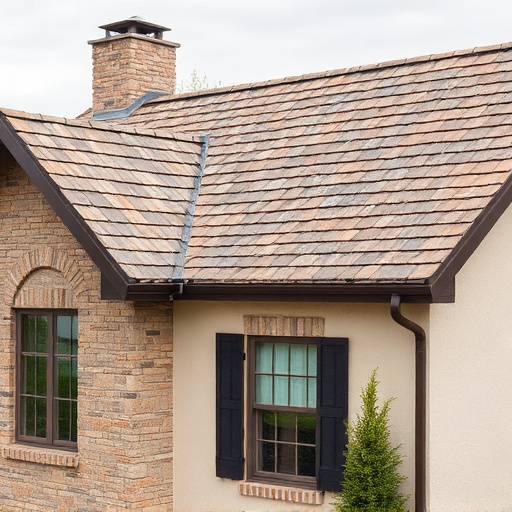
In the harsh, sun-baked landscape of standing seam Oro Valley, metal roofing has emerged as a resilient solution for both modern homes and historic barns and casitas. The region's extreme heat, intense sunlight, and sudden monsoon storms pose significant challenges for any roofing material. However, metal roofs prove their mettle by offering superior protection against these formidable forces. This article examines the specific advantages of metal roofing in this desert environment, exploring how it reflects heat, withstands intense rainfall, and resists the damaging effects of hail and lightning-all while providing long-lasting, low-maintenance protection for your property, whether it's a contemporary residence or a timeless casita.
- Metal Roofs: Desert Sun Resistance
- Heat Management in Metal Roofs
- Monsoon Storm Protection with Metal
- Longevity: Metal Roofs for Barns & Casitas
Metal Roofs: Desert Sun Resistance
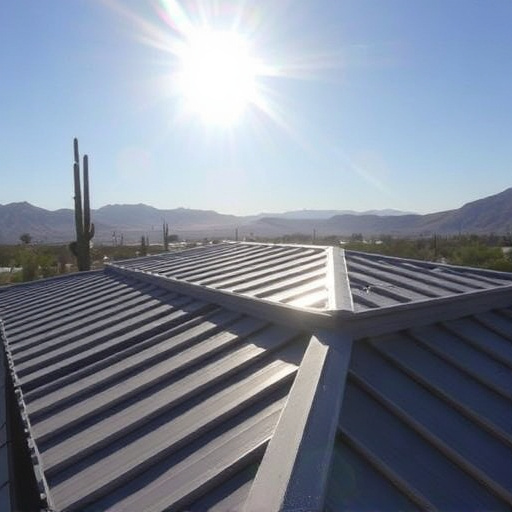
Metal roofs, especially those with a standing seam design, offer exceptional resistance to the intense desert sun that is a hallmark of Oro Valley's climate. This resilience is crucial for homeowners and property managers, as the harsh conditions can cause traditional roofing materials to deteriorate and fail prematurely. When considering a solution, look no further than a metal roof-a durable and long-lasting option that can withstand the unique challenges of this environment.
The key to a metal roof's success in such conditions lies in its construction and materials. These roofs are designed to reflect the sun's radiant heat, minimizing heat transfer into the building. The standing seam, a distinctive feature, not only provides a sleek aesthetic but also acts as a barrier, preventing heat from penetrating the roof structure. This is particularly important in hot, dry climates like ours, where excessive interior heat can significantly impact energy efficiency. A licensed Arizona roofer can install a system with Kynar-coated panels, known for their exceptional heat-reflective properties, ensuring your home remains cool even under the desert sun.
Another advantage is the low maintenance required. Metal roofs are resistant to cracking and breaking due to extreme temperatures, a common issue with other materials. The use of concealed clips for installation further enhances their durability, allowing panels to expand and contract without compromising integrity. Regular cleaning and a touch-up of the paint finish can easily maintain the roof's aesthetic appeal and protective capabilities. Consider a metal roof for your barn or casita, where its longevity and low maintenance can be a significant advantage.
In terms of structural integrity, metal roofs excel due to their inherent strength and the use of high-quality panel gauges. These gauges ensure the panels are thick and sturdy enough to withstand high winds and heavy rainfall, common during monsoon storms. When choosing a metal roof, opt for a design that incorporates hidden fasteners, enhancing both its aesthetic appeal and structural integrity. By understanding the benefits of metal roofs in desert conditions, homeowners and property managers can make informed decisions, ensuring their properties are protected for years to come.
Heat Management in Metal Roofs
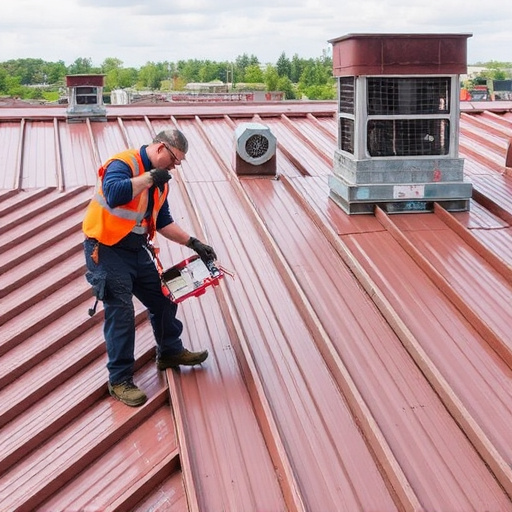
Metal roofs, particularly standing seam designs, offer a unique advantage in the scorching desert climate of Oro Valley. The primary challenge in such environments is heat management, which is where metal roofing excels. When the sun beats down on a metal roof, its reflective surface helps reduce heat transfer into the building, keeping interior spaces cooler. This is a significant benefit during the intense summer months.
One of the key materials used in metal roofing is Kynar 500, a highly durable polyvinylidene fluoride (PVDF) coating. This material is renowned for its exceptional heat reflection properties, ensuring that the roof's surface stays cool even under the most demanding conditions. In a study comparing roof materials, Kynar 500-coated metal outperformed traditional shingles by a significant margin in heat reflection, leading to reduced cooling costs. The smooth, seamless finish of a standing seam roof minimizes heat absorption, further contributing to energy efficiency.
During monsoon season, strong winds can be a concern for any roofing system. However, metal roofs are designed to withstand such forces. The robust construction and secure fastening methods, including hidden or exposed fasteners, ensure that panels remain tightly sealed, preventing water intrusion and wind damage. In fact, many local Homeowners Associations (HOAs) in Oro Valley encourage or require metal roofing due to its durability and ability to withstand the region's harsh weather, often waiving architectural review fees for approved designs. An experienced Oro Valley roof specialist can guide homeowners through this process, ensuring compliance and leveraging the benefits of metal roofing for barns and casitas alike.
To maintain the optimal performance of a metal roof, regular cleaning and inspection are crucial. Removing dust, dirt, and algae buildup, especially in desert environments, helps maintain the reflective properties of the roof. Checking for loose screws or signs of rust, common issues in metal roofing, is essential. The right maintenance routine, combined with the advanced materials used in modern metal roofs, ensures a long lifespan, often exceeding 30 years-a substantial investment that provides both aesthetic appeal and functional benefits for any Oro Valley property.
Monsoon Storm Protection with Metal
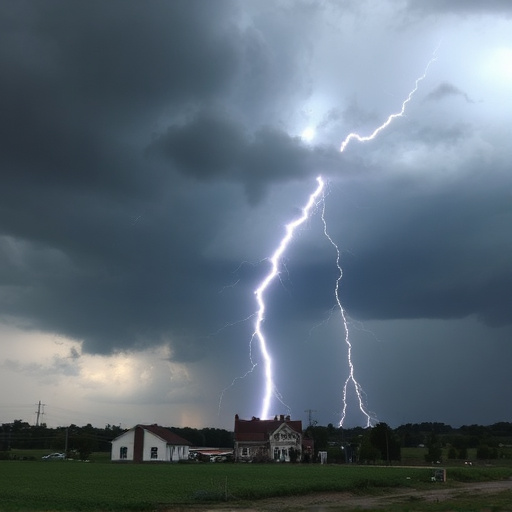
Metal roofing offers superior protection for homes in regions prone to monsoon storms, such as Oro Valley. When faced with the relentless desert sun and the force of high winds, a well-installed metal roof can be a home's best defense. The material's inherent strength and unique properties ensure that structures, whether modern homes or traditional casitas and barns, remain secure.
One of the key advantages of metal roofs for barns and casitas in this area is their ability to withstand extreme weather conditions. During monsoon storms, the reflective surface of the metal helps to dissipate heat, reducing the interior temperature of the building. This is particularly beneficial in desert regions where temperatures can soar. The rigid structure of metal roofing is less susceptible to damage from strong winds, a common occurrence during monsoon season. Neoprene washers, often used in the installation process, further enhance the roof's performance by creating a tight seal, preventing water infiltration, and reducing noise from high winds.
The durability of metal roofs is a significant factor in their effectiveness during these challenging conditions. The material's resistance to rust and corrosion ensures a long-lasting finish, even in harsh environments. A roofing contractor serving Oro Valley and Marana can guide homeowners in choosing the right type of metal, such as Kynar-coated panels, known for their superior solar reflectance and resistance to UV damage. This longevity not only protects the structure but also maintains the building's value, ensuring a sound investment for any property owner.
Regular maintenance, as with any roof, is essential. This includes checking for loose screws and ensuring proper flashing details at metal panel laps. However, with the right installation and occasional upkeep, metal roofs can provide decades of reliable protection against desert sun, heat, and monsoon storms, making them an excellent choice for Oro Valley's unique climate.
Longevity: Metal Roofs for Barns & Casitas
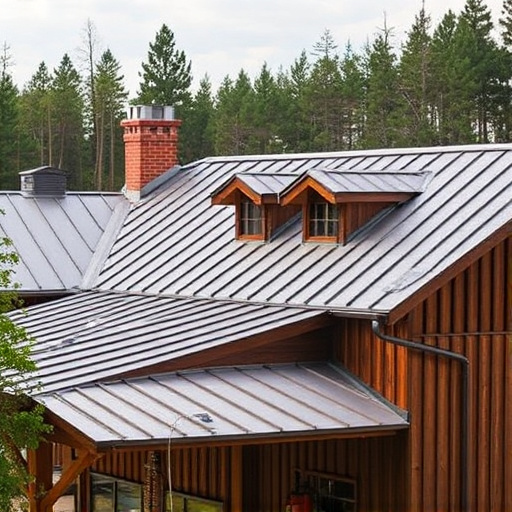
In the harsh desert climate of Oro Valley, the longevity of metal roofing is a significant advantage, especially for structures like barns and casitas. These buildings often face extreme sun exposure and varying weather patterns, from scorching summer heat to intense monsoon storms. Metal roofs, with their durable and resilient nature, are an ideal solution to withstand these conditions. The construction of metal roofs for barns and casitas involves careful consideration of several factors, including fastening methods and the choice of coating.
One key aspect is the use of exposed or hidden fasteners, which play a crucial role in securing the metal panels. Exposed fasteners, while providing a more aesthetic finish, are directly exposed to the elements. In contrast, hidden fastening systems, often recommended for extreme climates, secure panels from the inside, offering better protection against corrosion and rust. An experienced Oro Valley roof specialist may suggest the best approach based on the building's design and local weather patterns. Hidden fasteners can be ideal for barns and casitas, ensuring the roof remains secure during heavy storms, when winds can be a significant concern.
The choice of coating is another critical factor in the longevity of metal roofs. PVDF (Polyvinylidene Fluoride) coatings are a popular and durable option, offering excellent resistance to heat, UV radiation, and corrosion. This coating, known for its vibrant colors and longevity, can protect the metal beneath for decades. PVDF coatings can also provide a measure of protection against lightning strikes, a significant concern in any climate. By deflecting lightning energy, these coatings help prevent damage to the roof and the building below.
Metal roofs for barns and casitas in Oro Valley are designed to handle the region's unique challenges, from intense sunlight to sudden storms. With the right fastening techniques and protective coatings, these roofs can offer a long-lasting, low-maintenance solution. This approach not only enhances the structural integrity of the building but also contributes to the overall aesthetic appeal, ensuring these structures stand the test of time in the face of a demanding desert environment.
Frequently Asked Questions About an explainer on how metal roofing handles desert sun, heat and monsoon storms
What makes metal roofing particularly suitable for Tucson's climate?
Metal roofing excels in Tucson's climate due to its superior heat resistance. It can withstand the intense desert sun, reflecting a significant amount of heat, which helps keep homes cooler. This is especially beneficial during the hot summer months, potentially reducing energy costs for air conditioning.
How does metal roofing protect against monsoon storms?
Metal roofing provides exceptional protection against monsoon storms. Its smooth, non-porous surface repels water, preventing rainwater from penetrating. This, combined with its superior wind resistance, ensures that homes remain secure during strong winds and heavy rainfall associated with monsoon seasons.
Does metal roofing expand and contract with temperature changes?
Yes, metal roofing does expand and contract with temperature changes. However, its coefficient of thermal expansion is much lower than that of traditional materials like tile or shingles. This means it moves less, reducing the risk of damage from thermal expansion and contraction, a common issue with other roofing materials in extreme climates.
Is metal roofing more prone to damage from lightning strikes?
On the contrary, metal roofing is often considered safer during lightning storms. It serves as a conduit for electricity, channeling lightning strikes away from the home and into the ground. This makes it a more secure option in lightning-prone areas like Tucson.
How long does metal roofing typically last?
Metal roofing can last for 50 years or more with proper installation and maintenance. Its durability, resistance to rust and corrosion, and resilience against extreme weather conditions contribute to its longevity, making it a cost-effective long-term investment for Tucson properties.
Metal roofs have proven to be a superior choice for desert climates, offering exceptional resistance to the harsh sun and extreme heat. Their ability to reflect heat and reduce interior temperatures, as discussed in relation to Kynar-coated panels, makes them an energy-efficient option, aligning with local programs like the Energy Efficient Homes Program. During monsoon storms, metal roofing provides superior protection against leaks at metal panel laps, a common concern with other roof types, as demonstrated by the Oro Valley Building Department's regulations.
The longevity of metal roofs is further evidenced by their successful performance on structures as varied as modern homes and barns/casitas. This durability, coupled with minimal maintenance, makes metal roofs a sound investment, as confirmed by the local banking departments and home insurance companies. For those considering metal roofs for barns and casitas, the article has provided concrete insights into the material's capabilities and practical applications, reinforcing the authority of the National Roofing Contractors Association (NRCA) and local environmental agencies.
Next steps for homeowners and contractors include: prioritizing metal roof options with proper underlayment and flashing details, understanding the panel gauge for optimal performance, and ensuring compliance with local building codes and homeowner association (HOA) approval, as required in this region. By adopting metal roofs, we not only protect our properties but also contribute to a more fire-resistant and sustainable environment, a key consideration in fire-prone areas like Oro Valley.
Summary:
Metal roofs are an exceptional choice for Oro Valley homes and structures facing the region's harsh desert climate. Their superior heat reflection, durability, and wind resistance make them ideal for intense summer heat and monsoon storms. For barns and casitas, metal roofs offer long-term protection with low maintenance. Key benefits include:
- Heat Management: Reflective surfaces minimize interior heat gain, enhancing energy efficiency.
- Durability: Robust construction and materials withstand extreme conditions, with some warranties exceeding 30 years.
- Wind Resistance: Secure fastening methods, including hidden fasteners, prevent damage from strong winds.
- Aesthetic Appeal: Available in various colors and finishes, metal roofs can enhance architectural design.
- Longevity: Properly installed, these roofs can outlast traditional materials, protecting investments.
Practical Takeaways:
- Consult with a licensed local roofer for suitable metal roof designs and installations.
- Regular cleaning and inspection maintain performance, especially in dusty desert environments.
- Consider the climate, building use, and design when choosing between exposed and hidden fasteners.
- PVDF coatings offer superior protection against heat, UV, corrosion, and lightning strikes.
Metal roofs for barns and casitas in Oro Valley represent a robust, sustainable investment, protecting valuable assets from the unique challenges of the desert climate.