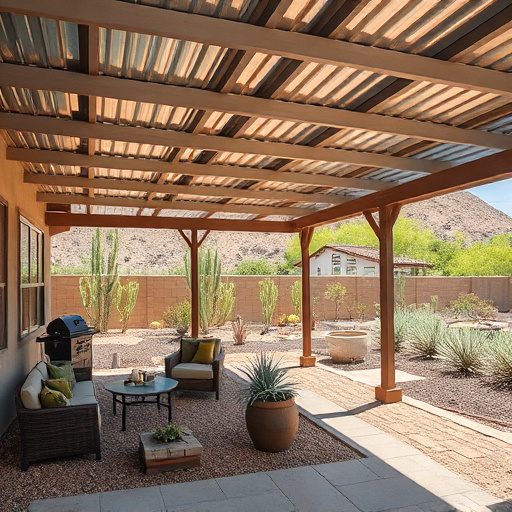
In the vibrant, sun-drenched landscape of standing seam metal roofs in Oro Valley, the choice of roofing material is more than aesthetic. Metal roofs offer energy efficiency, durability, and a unique aesthetic, yet proper installation and maintenance are crucial. One critical consideration is noise, especially during rain, where exposed vs hidden fasteners play a significant role in mitigating sound transmission. Metal's natural properties, like thermal expansion, can lead to potential leaks if not managed carefully. This article examines the science behind these issues, providing expert insights on fastener care, expansion, and noise abatement for optimal metal roof performance. We'll guide you through the process, ensuring your Oro Valley roof not only looks great but also performs flawlessly for years to come.
- Understanding Metal Roof Noise: Causes and Mitigation
- Expansion and Contraction: Managing Metal Roof Movement
- Fastener Selection: Exposed vs Hidden Fasteners
- Proper Fastener Care: Ensuring Longevity and Performance
Understanding Metal Roof Noise: Causes and Mitigation
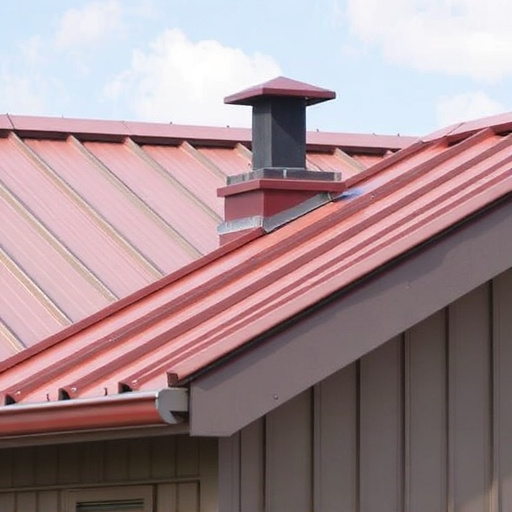
Metal roofs, particularly the popular standing seam variety, offer significant advantages in terms of durability, low maintenance, and energy efficiency. However, one aspect that often concerns homeowners is the noise level these roofs can generate, especially during rainfall. Understanding the causes of metal roof noise and implementing effective mitigation strategies is crucial for ensuring a peaceful living environment.
The primary culprit behind metal roof noise is the way the panels are fastened together. With exposed fasteners, like screws or nails, the movement of the metal under varying weather conditions can create a distinctive ringing or clinking sound. In contrast, hidden fastening methods, such as mechanical locking or stamping, significantly reduce noise levels by eliminating these direct points of contact. A Class A fire-rated standing seam system not only offers superior protection against flames but also provides a quieter performance due to its seamless design. The panel gauge, a measure of the metal's thickness, plays a role too; thicker gauges tend to be quieter, as they absorb more energy and reduce vibrations.
When rain hits a metal roof, it interacts with the surface in a way that can be quite noisy. The water's impact on the panels causes them to vibrate and resonate, producing a characteristic sound. This phenomenon is more pronounced with exposed fasteners due to the direct impact of the water on the fastener areas. To mitigate this issue, a licensed Arizona roofer recommends regular inspection and maintenance. Ensuring that all fastener heads are securely fastened and that there's no loose hardware can go a long way in minimizing noise. Applying the right type of coating, like Kynar-coated panels, can enhance the noise-dampening effect by providing a smoother surface for water to flow over, reducing impact vibrations.
Addressing metal roof noise is not just about enhancing the acoustic experience-it's also about maintaining the overall health and longevity of the roof. Excessive noise can indicate loose or damaged components, which could lead to more serious problems, such as leaks at metal panel laps or even structural failures. Regular care, including tightening loose screws and checking for signs of rust, can help prevent these issues. Homeowners associations (HOAs) in areas like Oro Valley often have guidelines regarding roof choices, including noise levels, to ensure harmony within the community. By understanding these considerations, homeowners can make informed decisions when choosing a metal roof, ensuring it not only looks great but performs well too.
Expansion and Contraction: Managing Metal Roof Movement
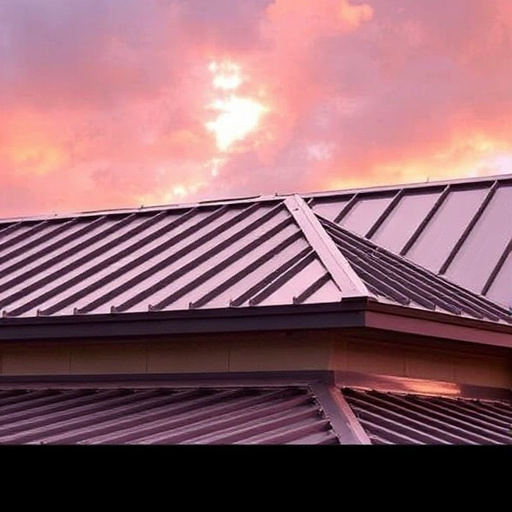
Metal roofs, while known for their durability and low maintenance, require careful consideration of another crucial aspect: expansion and contraction. This dynamic process, driven by temperature changes, can cause metal panels to expand and contract, leading to potential issues if not managed properly. In the desert climate of Oro Valley, where extreme temperatures are common, the movement of metal can be more pronounced. This section examines the mechanisms of expansion and contraction, focusing on the critical task of managing metal roof movement, specifically addressing the difference between exposed and hidden fasteners.
Expansion and contraction primarily occur due to thermal effects. As metal absorbs heat, it expands, and when it cools down, it contracts. This natural process can lead to a variety of problems if the panels are not properly fastened. Corrugated metal panels, common in many roofing installations, are sensitive to these movements. In regions with significant temperature variations, such as Oro Valley, the contraction and expansion can cause panels to lift, bend, or even become loose at the fastener sites. This can result in leaks, especially at the laps of the panels.
To mitigate these issues, it's essential to understand the role of fasteners. Exposed fasteners, those visible on the roof's surface, are directly affected by the expansion and contraction. Over time, they might become loose, leading to potential water intrusion. Conversely, hidden fasteners, installed beneath the panel's surface, offer a more secure solution. A roofer with an Arizona ROC license will often recommend hidden fastening for metal roofs in Oro Valley's climate. This method allows for the panels to move freely while maintaining their integrity, reducing the risk of leaks and other damage.
Regular maintenance matters in ensuring the longevity of a metal roof. Inspecting the roof for loose screws or signs of rust is crucial. The local Home Insurance Companies and Energy Efficient Homes Program often recommend periodic assessments to identify and address issues early. Understanding the panel gauge, or thickness, can help in selecting the appropriate fastening method. The National Roofing Contractors Association (NRCA) provides guidelines on best practices, including recommendations for fastener spacing based on panel gauge, which is crucial for managing the natural movement of metal roofs.
Fastener Selection: Exposed vs Hidden Fasteners
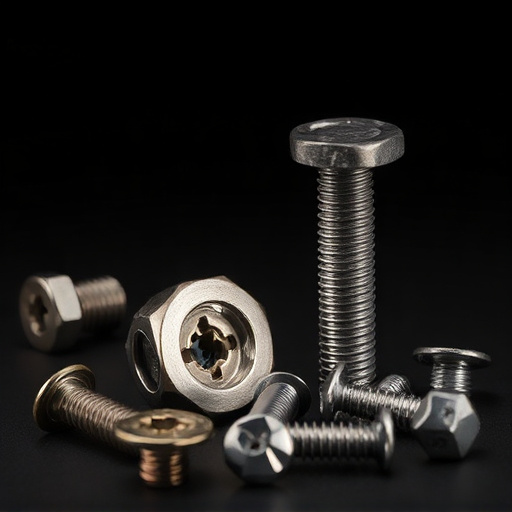
When selecting fasteners for a metal roof, one of the critical decisions homeowners and roofers face is whether to opt for exposed or hidden fasteners. This choice impacts not only the aesthetics but also the functionality and long-term performance of the roof. Both exposed and hidden fastening methods have their advantages and considerations, especially in the arid climate of Oro Valley.
Exposed Fasteners: These are the more traditional method, where nails or screws are visible from the exterior, often used with R-panel roofing systems. While they offer direct access for inspection and repair, exposed fasteners can be more susceptible to damage from extreme weather conditions, such as hail. In Oro Valley, where occasional severe storms can occur, this method may require more frequent maintenance. Loose screws or nails can be blown away, leading to potential leaks at metal panel laps. However, many local homeowners prefer the straightforward appearance of exposed fasteners, which can complement the straightforward design of modern homes.
Hidden Fasteners: As the name suggests, these fasteners are not visible from the roof's exterior, providing a smoother, more sleek look. Hidden fasteners are often used in conjunction with ridge vents and solar-reflective underlayments, taking advantage of the area above the roof line for ventilation and heat reflection. This method can be more resilient against the elements, as the fasteners are protected from direct sunlight and wind. An experienced Oro Valley roof specialist might recommend this approach for properties aiming for a more contemporary aesthetic and superior energy efficiency. Hidden fasteners can be ideal for tile homes with metal accents, creating a seamless and elegant design.
In terms of maintenance, hidden fasteners generally require less frequent inspection and replacement due to their protected nature. However, they can be more challenging to repair when issues arise, as access to the problem area might be limited. Homeowners should weigh these factors when considering the overall cost and convenience of each fastening method. The choice between exposed and hidden fasteners ultimately depends on personal preference, local climate conditions, and the desired level of maintenance involved.
Proper Fastener Care: Ensuring Longevity and Performance
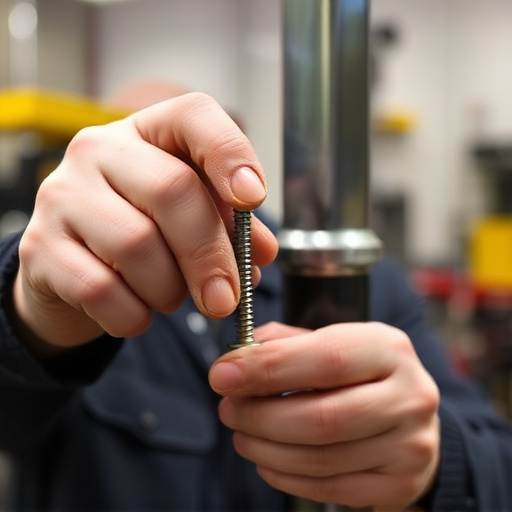
Proper fastener care is a crucial aspect of ensuring the longevity and optimal performance of a metal roof. For standing seam metal roofs, especially in the Rancho Vistoso area, where architectural diversity runs high, understanding the difference between exposed and hidden fasteners is key.
In Oro Valley, the local Homeowners Associations (HOAs) often have specific guidelines regarding exterior aesthetics, including roof finishes. For metal roofs, this means navigating the requirements for both exposed and hidden fastener installations. Exposed fasteners, visible from the exterior, require careful consideration to align with HOA architectural reviews. Conversely, hidden fasteners, placed beneath the roof's surface, offer a sleek, seamless look but demand meticulous care to prevent leaks and ensure structural integrity.
Thermal expansion is another critical factor. Metal expands and contracts with temperature fluctuations, which can lead to panel warping or loosening of fasteners over time. Proper fastener selection and installation accounts for this expansion. A licensed roofing contractor serving Oro Valley and Marana recommends using high-quality fasteners designed for metal roofs, such as hot-dip galvanized or Kynar-coated steel screws, which offer superior corrosion resistance. Regular inspection and tightening of these fasteners, especially in extreme weather conditions, can prevent potential leaks at metal panel laps.
Addressing issues like loose metal roof screws and rust on metal roofs promptly is essential. Regular maintenance, including re-tightening and, in severe cases, replacing worn-out fasteners, ensures the roof's protective barrier remains intact. Remember, exposed vs. Hidden fasteners each have their care requirements. Proper fastener management, combined with a well-designed metal roof system, can contribute to a long-lasting, low-maintenance roof that enhances the value of your Oro Valley home, even when facing the region's unique challenges, such as hail and wildfire embers.
Frequently Asked Questions About an explainer on noise, expansion and fastener care on metal roofs
What is the best material for a metal roof in terms of noise reduction? For noise reduction, the choice of fastener and panel type plays a significant role. While all metal roofs are designed to be quieter than traditional materials, standing seam roofs with self-drilling screws and snug-fit panels tend to offer superior noise dampening. These systems minimize resonation and reduce sound transmission, making them ideal for urban environments where noise control is crucial.
How do I know if my metal roof needs expansion joints? Expansion joints are crucial for managing the movement of metal roofing materials, especially in regions with extreme temperatures. If your metal roof is showing signs of warping, buckling, or cracks, it may indicate a lack of proper expansion joints. These joints allow for safe and controlled movement, preventing damage caused by thermal expansion and contraction, which can be significant for metal.
Can metal roof fasteners be affected by weather conditions? Absolutely. Metal roof fasteners, including screws and nails, are susceptible to corrosion and rust, especially in environments with high moisture content or salt air. Proper fastener selection and regular inspection are essential. Using corrosion-resistant fasteners, such as those made from stainless steel or aluminum, can significantly extend their lifespan and maintain the structural integrity of the roof.
How often should I inspect my metal roof for fastener issues? Regular maintenance is key. It's recommended to inspect your metal roof at least once a year for any signs of damage or loose fasteners. This simple step can prevent more significant issues and ensure the longevity of your roof. Look for loose or missing screws, especially around edges and valleys, as these areas are more vulnerable to weathering.
What are the common causes of metal roof noise? Noise in metal roofs can stem from various sources. Loose fasteners, panel misalignment, or improper installation can all contribute to unwanted noise. Strong winds can cause panels to shift, resulting in a rattling or banging sound. Regular maintenance and ensuring a snug fit during installation are effective ways to mitigate these issues.
As we've explored the intricacies of metal roof care, several key insights emerge. First, understanding the sources of metal roof noise-from rain impact to thermal expansion-is crucial for addressing potential issues proactively. Managing expansion and contraction through proper materials and construction techniques ensures the roof remains secure and performs optimally over time.
The choice between exposed and hidden fastening systems significantly impacts both aesthetics and longevity. Exposed fasteners offer a visually appealing finish but demand rigorous maintenance, while hidden fasteners provide superior protection against the elements.
Finally, consistent fastener care is paramount. Regular checks for loose screws and proactive rust prevention can prevent leaks, ensuring the structural integrity and longevity of your metal roof. These measures, combined with informed choices regarding installation and materials, will contribute to a high-performing, low-maintenance metal roof that enhances your Oro Valley property's value for years to come, meeting the approval of local HOAs and exceeding expectations.
Metal roofs, while known for durability, can be noisy due to fastener movement. Exposed fasteners are more prone to noise and potential damage; hidden fasteners reduce noise and offer better protection. In Oro Valley's climate, expansion and contraction of metal panels can cause issues, with hidden fasteners providing more secure fastening. Regular fastener maintenance, including tightening and addressing rust, is vital for a quiet, safe, and long-lasting metal roof. Homeowners and roofers should consider exposed vs. Hidden fasteners based on aesthetics, climate, and maintenance preferences.