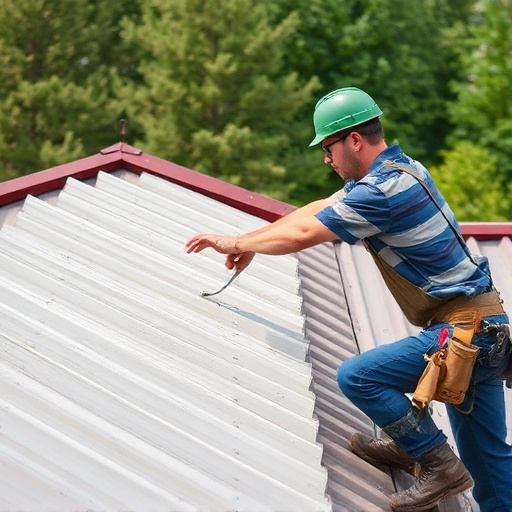
In the Oro Valley construction landscape, roof choices are both aesthetic and functional decisions with significant impact on home longevity and value. The growing popularity of metal roofing presents a trio of options: standing seam, stone coated steel, and corrugated metal. Each offers unique benefits and drawbacks, especially when considering a region like Oro Valley's diverse climate, local building codes, and homeowner association (HOA) restrictions. This article dissects these differences, focusing on installation, cost, lifespan, and maintenance, while examining the technical aspects like thermal expansion on metal and addressing common concerns, ultimately guiding homeowners to informed choices. We'll explore why these factors matter, especially in a place like standing seam, where extreme heat, high winds, and occasional hail storms are part of the annual routine.
- Understanding Material Properties: Standing Seam vs. Stone Coated Steel
- Corrugated Panels: Installation and Durability Considerations
- Thermal Expansion in Metal Roofing: Effects and Mitigation
- Environmental Impact and Maintenance: A Comparative Analysis
Understanding Material Properties: Standing Seam vs. Stone Coated Steel
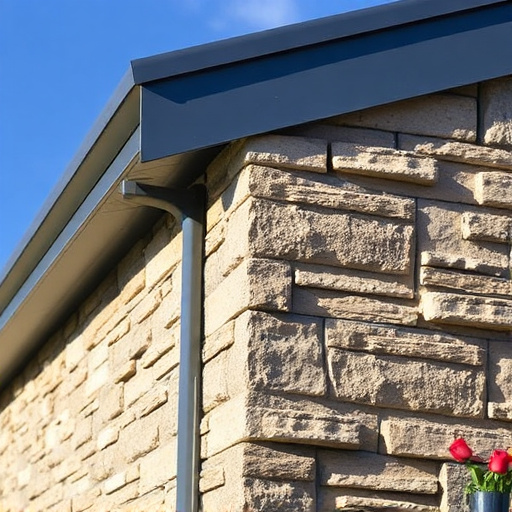
When comparing standing seam metal roofs to stone coated steel panels, understanding the unique properties of each material is crucial. Both offer durable, low-maintenance options for roofing in Oro Valley and Marana, but they differ significantly in their composition and performance characteristics.
Standing seam metal roofs, a popular choice for modern homes, feature long, interlocking panels with a distinctive raised seam. This design not only provides exceptional wind resistance but also helps to minimize thermal expansion on metal. The seamless construction eliminates weak points around joints, making them highly resistant to leaks and corrosion. The smooth surface of standing seam panels is less prone to the buildup of dirt and debris, ensuring a cleaner, more aesthetically pleasing appearance.
In contrast, stone coated steel panels offer a distinct visual appeal with a finish that mimics the look of natural stone. This process involves applying a layer of colored mineral granules bonded to a galvanized steel core. While providing a more textured and visually interesting option, stone coated steel panels may not offer the same level of wind resistance as standing seam roofs. They are, however, highly resistant to fire, fading, and rust, making them a reliable and low-maintenance choice for many homeowners.
When deciding between these materials, consider your home's architectural style, local weather conditions, and personal aesthetic preferences. A modern, minimalist design may benefit most from the clean lines of a standing seam roof, while a traditional or Spanish-style home could complement the rustic charm of stone coated steel. Consulting with a roofing contractor serving Oro Valley and Marana can provide valuable insights tailored to your specific needs and ensure a successful installation.
Corrugated Panels: Installation and Durability Considerations
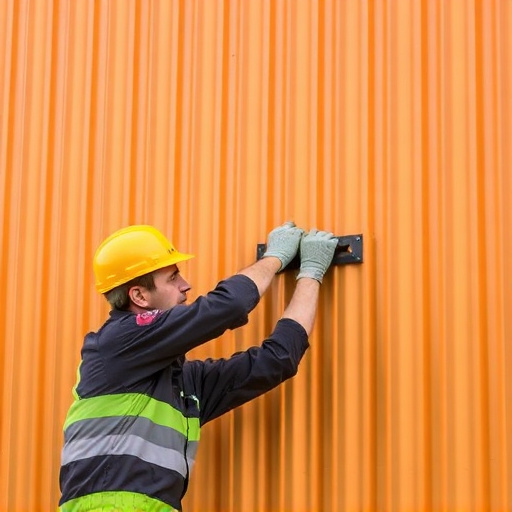
Corrugated metal panels, a popular choice for roofing, offer a unique set of considerations for installation and durability. This style of roofing is characterized by its distinctive wave-like pattern, providing both aesthetic appeal and structural strength. However, understanding the specific challenges and benefits is crucial for any homeowner or building project in the Tucson area. One key aspect to consider is thermal expansion on metal. Corrugated panels, like all metal roofing materials, expand and contract with temperature fluctuations, which can impact their long-term performance.
During hot summer days in Oro Valley, metal panels can become quite hot, causing them to expand. This expansion is a natural process, but it must be managed properly to prevent issues. Proper installation involves ensuring adequate space for thermal movement, which can be achieved through specialized flashing and underlayment. A licensed Arizona roofer may recommend specific flashing techniques to create a continuous barrier, allowing for the expansion and contraction of the metal without compromising the roof's integrity. Using high-quality materials like Kynar 500-coated panels can enhance durability against the extreme desert climate, including its thermal fluctuations.
Another concern with corrugated panels is their potential vulnerability to lightning strikes, a common occurrence in Arizona's frequent thunderstorms. Metal is an excellent conductor of electricity, making it a lightning magnet. To mitigate this risk, proper grounding systems and surge protection devices should be implemented. These measures ensure that any lightning strike is safely conducted away from the structure, preventing damage to the roof and the building below. The National Roofing Contractors Association (NRCA) provides guidelines for lightning protection, emphasizing the importance of a well-designed and installed system.
Regular maintenance is also vital for corrugated metal roofs. While these panels are known for their longevity, they still require periodic inspection and cleaning. Over time, debris can accumulate in the crevices of the corrugations, leading to water retention and potential rusting. A simple cleaning routine, combined with checking for loose screws and any signs of damage, can help maintain the roof's performance and extend its lifespan.
Thermal Expansion in Metal Roofing: Effects and Mitigation
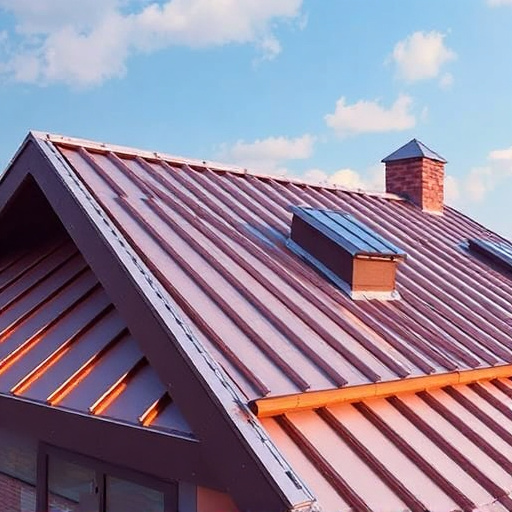
Thermal expansion is a crucial consideration when choosing metal roofing materials, especially in the Tucson climate, where extreme temperatures can cause significant movement in metal panels. This phenomenon, known as thermal expansion on metal, refers to the change in dimensions of metal as it absorbs or releases heat. Understanding this effect is vital for ensuring the long-term performance and integrity of your roof, especially when compared to alternatives like standing seam metal roofs, stone coated steel panels, and corrugated panels.
Standing seam metal roofs, a popular choice in the Catalina Foothills, are known for their superior resistance to thermal expansion. The design, characterized by vertical seams, allows for minimal movement, preventing warping or buckling. A local roofing company serving Oro Valley may recommend 24-gauge steel panels for their durability and ability to withstand temperature fluctuations. On the other hand, stone coated steel panels offer a unique blend of aesthetics and performance. While the stone coating provides an attractive finish, the underlying steel allows for some degree of expansion, making it slightly more susceptible to damage from extreme temperature changes.
Corrugated panels, often used for carports and patios, present a different challenge. Their design includes ridges and grooves that can act as stress points during thermal expansion, potentially leading to leaks at metal panel laps if not properly installed. To mitigate these issues, experienced technicians recommend specific flashing details and careful alignment. A well-installed corrugated metal roof over an outdoor structure in the Oro Valley area can provide excellent protection from the elements while accounting for thermal expansion. Proper maintenance, including regular inspections, also plays a crucial role in addressing any issues that may arise from this natural phenomenon, ensuring the longevity of your metal roof.
Environmental Impact and Maintenance: A Comparative Analysis
The environmental impact and maintenance of roofing materials are crucial considerations for homeowners in the demanding desert climate of Oro Valley and Marana. When comparing standing seam metal roofs, stone coated steel panels, and corrugated metal roofing, understanding thermal expansion on metal is essential. These materials face extreme temperature fluctuations, from scorching heat to cold nights, which can impact their longevity and performance.
Standing seam metal roofs, a popular choice for homes in the Catalina Foothills, offer exceptional durability and low maintenance. The seamless design minimizes potential entry points for water, reducing the risk of leaks. Metal's inherent resistance to rot, mold, and insects ensures a longer-lasting roof. However, thermal expansion can cause panel warping or fastener loosening over time, requiring regular inspections and maintenance. A reputable roofing contractor serving Oro Valley and Marana can help with panel gauge selection and proper fastening techniques to mitigate these issues.
Stone coated steel panels provide an aesthetically pleasing alternative, combining the strength of metal with a natural stone look. These panels are known for their resistance to extreme weather conditions, including hail and high winds, which are common in our region. The Kynar 500 coating offers superior protection against corrosion and UV rays, enhancing the panel's lifespan. While stone coated steel panels excel in durability, they may require more maintenance than roofs, such as regular cleaning to prevent coating damage from dust and debris.
Corrugated metal roofing, often used for barns and casitas, offers cost-effectiveness and versatility. Its design provides excellent wind resistance, making it suitable for challenging desert conditions. However, corrugated metal may be more susceptible to thermal expansion, leading to potential fastener issues and potential color fading over time. Proper flashing details and underlayment are crucial to mitigate these challenges. Homeowners considering corrugated metal should consult with local building departments and homeowners associations (HOAs) to ensure compliance and approval.
Frequently Asked Questions About a comparison of standing seam, stone coated steel and corrugated panels
What is the main difference between standing seam and stone coated steel panels?
Standing seam metal roofing is characterized by its seamless design, where the joints are hidden and the panels are formed into a standing seam, creating a clean, low-profile look. Stone coated steel, on the other hand, is a type of metal roofing that has a protective stone or mineral coating bonded to a steel substrate. This coating gives the roof a more textured and natural appearance, resembling stone or slate.
How do corrugated panels compare to the other two options in terms of durability?
Corrugated metal panels are known for their exceptional durability and wind resistance. The corrugated design provides extra strength, making them suitable for harsh weather conditions. While both standing seam and stone coated steel panels are durable, corrugated panels often excel in areas prone to strong winds and extreme temperatures due to their rigid structure.
Which material offers the best value for money?
The cost of these roofing materials varies significantly. Standing seam metal roofing is generally more expensive due to its intricate installation process and premium materials. Stone coated steel offers a more affordable option, providing a good balance between aesthetics and durability. Corrugated panels can be the most cost-effective choice, especially for large-scale projects, thanks to their lightweight nature and efficient installation methods.
Do these materials have any environmental benefits?
All three materials have a lower environmental impact compared to traditional roofing options. They are recyclable and can contribute to a building's energy efficiency. Standing seam and corrugated panels are lightweight, reducing the structural load on buildings. Stone coated steel, with its long lifespan, minimizes waste and the need for frequent replacements.
Which material is best suited for a home with a low slope roof?
For low-slope roofs, standing seam metal roofing is often the preferred choice. Its smooth, continuous surface ensures water runs off efficiently, preventing water damage. Stone coated steel and corrugated panels can also be suitable, but their installation might require additional measures to ensure proper water management.
The choice between standing seam, stone coated steel, and corrugated metal panels depends on specific project needs. Standing seam and stone coated steel offer superior resistance to thermal expansion on metal, crucial in regions with extreme temperatures like Tucson. These materials also boast excellent durability and low maintenance, making them suitable for modern homes and even historic structures, as long as local building departments like Oro Valley's and homeowners associations allow their use.
Corrugated panels, though cost-effective, may require more frequent maintenance due to their propensity for rust and leaks at metal panel laps. They are best suited for applications where budget is a primary concern and where the structure doesn't experience significant thermal stress.
Understanding thermal expansion on metal is key to long-term success with any metal roofing project. Proper installation techniques, such as hidden fasteners and adequate underlayment, can mitigate these effects. Regular maintenance, especially painting to protect against corrosion, is essential for all metal roofs, enhancing their lifespan and resale value, as evidenced by the success of the Energy Efficient Homes Program in our region.
The practical takeaways are clear: choose the right material for your specific needs and climate, prioritize proper installation and maintenance, and be aware of local regulations. By doing so, you can ensure a durable, low-maintenance, and aesthetically pleasing roof for your home or property, contributing to its value and protecting it from the harsh desert heat and dust.
In the desert heat of Oro Valley and Marana, understanding thermal expansion on metal is key to choosing the right roofing material. Roofs offer exceptional durability and wind resistance, but thermal expansion can cause panel warping. Stone coated steel panels provide an aesthetically pleasing option with excellent weather resistance but may require more maintenance. Corrugated metal roofing is cost-effective but more susceptible to thermal expansion and color fading. Consulting with a local roofing expert helps homeowners make informed decisions, ensuring their roofs withstand the extreme climate and last for years to come.