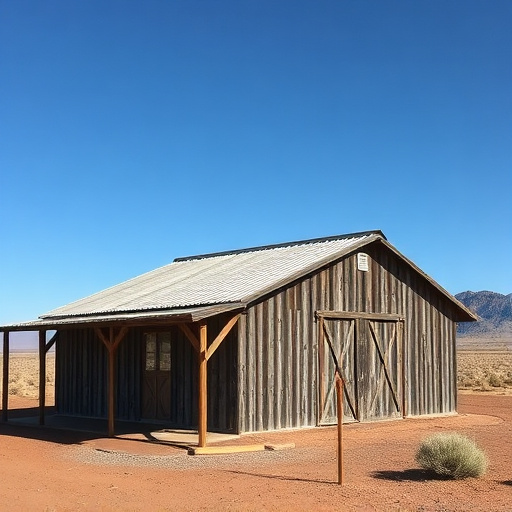
In the hot, dry climate of standing seam metal roofs in Oro Valley, proper care is crucial for both performance and longevity. Metal roofing, known for its durability and energy efficiency, presents a unique set of challenges, particularly for noise, expansion, and fastener care. Excessive noise from rain or strong winds can be disruptive and even damaging to nearby properties, a concern that's taken seriously by the Oro Valley Building Department and local Homeowners Associations (HOAs). Metal's tendency to expand and contract with temperature changes can lead to leaks at metal panel laps or loose screws, especially if not properly addressed. This article examines the science behind these issues and offers practical, expert-backed solutions for maintaining your metal roof, ensuring it performs well and retains its appealing aesthetic, including its natural color fading over time.
- Understanding Metal Roof Noise: Causes and Mitigation
- Expansion and Contraction: Managing Metal Roof Movement
- Fastener Care for Longevity: Prevention and Maintenance
- Metal Roof Color Fading: Natural Processes and Solutions
Understanding Metal Roof Noise: Causes and Mitigation
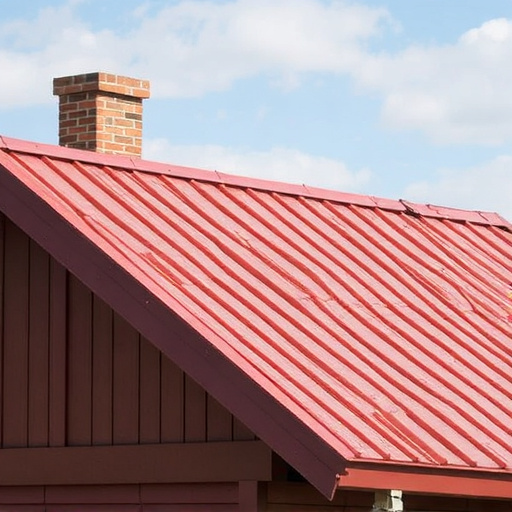
Metal roofs, while renowned for their durability and low maintenance, often raise concerns about noise levels, especially in regions prone to thunderstorms and heavy rain. Understanding and addressing these noise concerns is crucial for homeowners looking to invest in metal roofing. One of the primary noise sources is the interaction between the corrugated panels and water, particularly during heavy rainfall. The unique wave patterns created by the panels can amplify sound, making the roof's noise level more noticeable. This is especially true for older metal roofs where the fastening system might not be as secure, allowing the panels to move and create a rattling effect.
The noise issue can be mitigated through careful design and installation practices. A licensed Oro Valley area roofing contractor recommends using concealed clips to fasten the panels, ensuring a quieter surface. Concealed clips eliminate the need for exposed screws or rivets, which can rattle and create noise. Proper flashing and underlayment installation play a vital role in noise reduction. These layers act as a buffer, dampening the sound and preventing water penetration, which can cause further noise issues. Homeowners in Oro Valley, known for its desert landscape and occasional severe weather, can benefit from these strategies to create a quieter, more comfortable living space.
Another aspect to consider is the natural aging process of metal roofs, including color fading. While metal roofing offers superior resistance to fading compared to traditional shingles, it's not entirely immune. UV exposure and varying temperature changes can cause the exterior finish to discolor over time. Regular maintenance, such as cleaning and re-coating, can help preserve the original color and appearance. Homeowners should opt for high-quality Kynar-coated panels, known for their exceptional resistance to fading, and follow manufacturer guidelines for maintenance to ensure the roof retains its aesthetic appeal.
By addressing these noise and maintenance concerns, homeowners can make informed decisions when choosing a metal roof system. It's essential to consult with local roofing experts, considering the unique weather patterns and building codes of Oro Valley, to ensure a successful and long-lasting installation.
Expansion and Contraction: Managing Metal Roof Movement
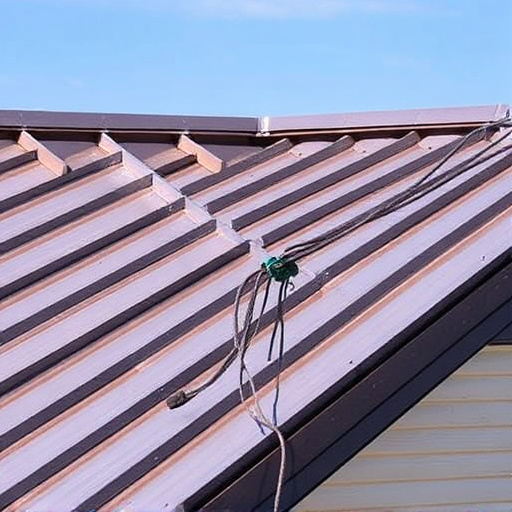
Metal roofs, particularly corrugated panels, offer exceptional durability and a distinctive aesthetic. However, their longevity is not solely determined by material strength but also by how well they manage natural movements, especially during extreme weather events like hailstorms. This section examines the critical aspects of expansion and contraction in metal roofing, providing valuable insights for homeowners and property managers in Oro Valley and Marana.
Metal is an inherently malleable material, meaning it expands and contracts with temperature fluctuations. This phenomenon is more pronounced in longer, wider panels. When metal roofs are exposed to heat, they expand, putting stress on fasteners and connections. Conversely, cold temperatures cause contraction, potentially leading to loose screws or even panel warping. The challenge lies in ensuring these movements don't compromise the roof's integrity or aesthetics. Proper fastener placement and a well-designed roof system are key.
To mitigate expansion and contraction issues, start with high-quality Kynar-coated panels, known for their superior resistance to thermal expansion. These panels have a Class A fire rating, the highest available, ensuring they're suitable for challenging environments. A roofing contractor serving Oro Valley and Marana recommends using hidden fastening systems, which secure panels from underneath, reducing the risk of loose screws and minimizing the impact of metal movement. Hidden screws and mechanical fasteners distribute tension evenly, preventing leaks at metal panel laps, a common issue in exposed fastener systems.
Regular maintenance is crucial. Check metal roof fasteners and replace any loose or corroded ones promptly. Keep an eye out for signs of rust, as it can weaken metal and lead to premature color fading. While metal roofs are designed to withstand harsh conditions, including hail, excessive movement due to thermal expansion can accelerate wear and tear. Proper installation and regular inspections can help extend the lifespan of your metal roof, ensuring it maintains its structural integrity and aesthetic appeal for years to come.
Fastener Care for Longevity: Prevention and Maintenance
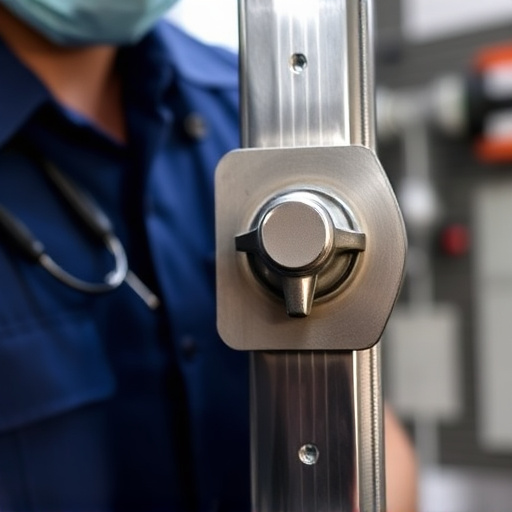
The longevity of a metal roof depends not only on the quality of its installation and materials but also on the care given to its fasteners. Fasteners, such as nails and screws, play a crucial role in keeping the roof panels securely in place, resisting the elements, and preventing leaks. Over time, these fasteners can become loose, corroded, or damaged, especially in regions prone to extreme weather conditions like hail and high winds.
Preventive maintenance is key to ensuring the integrity of metal roof fasteners. One effective strategy is to use high-quality, galvanized, or PVDF-coated fasteners. These coatings provide a protective barrier against corrosion, even in harsh environments. A local roofing company serving Oro Valley may recommend using screws with a minimum panel gauge of 24 for new installations, as these larger gauge screws offer superior holding power and resistance to rust, extending the life of the roof. Regular inspections, at least once a year, can help identify any loose or damaged fasteners. During these checks, it's also essential to look for signs of metal roof color fading, which could indicate exposure to harsh sunlight or other environmental factors.
Proper maintenance practices, such as re-tightening loose screws and replacing worn-out fasteners, are crucial. Homeowners should be aware of the potential for loose metal roof screws, which can cause noise during storms or high winds. This noise, known as metal roof noise in rain, can be unsettling and may signal a more significant problem. To avoid this, it's recommended to check and tighten fasteners after severe weather events. Applying a reflective coating like Kynar can enhance the heat reflection capabilities of the roof, reducing the overall temperature and minimizing the risk of metal roof color fading over time.
Regular maintenance and the use of high-quality fasteners are essential for preserving the appearance and structural integrity of a metal roof. By following these guidelines, homeowners can ensure their roofs remain in top condition, even in challenging environments like Oro Valley's, where metal roofs are a common choice for their durability and low maintenance.
Metal Roof Color Fading: Natural Processes and Solutions
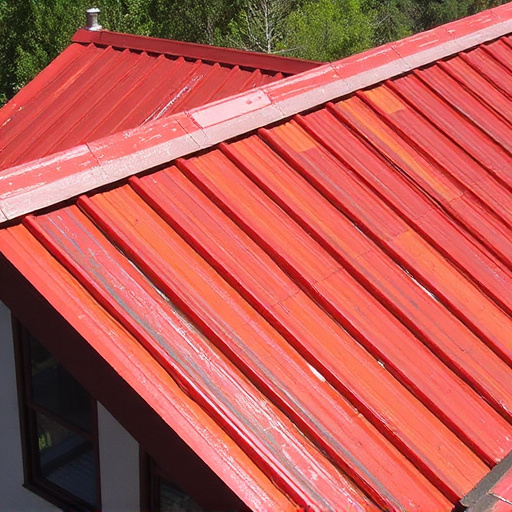
Metal roofs, while known for their durability, are not immune to aesthetic changes over time, particularly for color fading. This natural process, often accelerated by environmental factors, can significantly impact a roof's appearance, especially in areas like Oro Valley where standing seam metal roofing is a popular choice. Understanding metal roof color fading and the factors that contribute to it is crucial for both homeowners and professionals navigating the approval process with local Homeowners Associations (HOAs).
Several elements play a role in metal roof color fading. The primary culprit is ultraviolet (UV) radiation from the sun, which breaks down the polymer bonds in the paint, causing it to lose its vibrancy and fade over time. This effect is more pronounced in areas with extensive sunlight exposure, such as Arizona's southern regions. Extreme temperatures can accelerate the process, with heat causing the paint to contract and expand, leading to chipping and flaking. This is particularly relevant in our climate, where hot summers and cold winters are the norm.
Another factor, especially with exposed fastener designs, is moisture penetration. Standing seam roofs, with their concealed fastener system, generally offer better protection against water intrusion. However, if fastener holes are not sealed properly or if the roof underlayment is compromised, moisture can seep in, leading to rust and paint degradation. A licensed roofer with an Arizona ROC license can provide expert advice on the best fastener types and sealing techniques to mitigate this issue. To combat metal roof color fading, regular cleaning and maintenance are essential. A soft-bristled brush and a mild detergent can help remove dirt and algae buildup, preserving the roof's original color. For severe cases, a professional re-coating or repainting job might be necessary.
When considering a metal roof replacement or installation, it's important to remember that HOA architectural reviews often factor in aesthetics. Homeowners should consult with their HOA and local authorities to ensure the chosen color and style align with community guidelines. Proper maintenance, including regular inspections and timely repairs, can extend the lifespan of a metal roof and minimize the visible effects of color fading, ensuring your roof remains a striking feature for years to come.
Frequently Asked Questions About an explainer on noise, expansion and fastener care on metal roofs
What is the primary cause of noise in metal roofs? Noise from metal roofs often stems from the interaction of the metal with wind, rain, and temperature changes. Metal expands and contracts, leading to creaking, popping, or banging sounds. This can be exacerbated by loose fasteners or poor installation, allowing the metal to move and clash against itself or other parts of the roof.
How do I know if my metal roof needs fastener replacement? Examine your roof for signs of wear and tear. Loose or missing fasteners can be easily spotted during a visual inspection. Over time, the screws and nails that secure metal panels can rust, weaken, or become detached, especially in areas exposed to harsh weather conditions. If you hear unusual noises or notice visible gaps in the roof, it's advisable to consult a professional.
Are there specific types of fasteners better suited for metal roofs? Yes, choosing the right fasteners is crucial for a durable metal roof. For heavy-duty applications, structural screws designed for metal roofing offer superior strength and resistance to corrosion. These screws have a larger thread diameter and are made from stainless steel or galvanized steel to ensure longevity. Alternatively, mechanical fasteners, such as ring shank nails, can provide excellent hold in metal.
What is the recommended spacing for fastener placement in metal roofs? Proper fastener spacing is vital for the structural integrity of a metal roof. Typically, fasteners should be placed every 6 to 8 inches (15 to 20 cm) along the edges and every 12 to 16 inches (30 to 40 cm) in between for most metal panels. This ensures a secure hold and prevents the metal from lifting or shifting, which could cause noise and damage.
Can expansion and contraction of metal roofs be prevented? While complete prevention is challenging, you can minimize the effects of metal roof expansion and contraction. Using a suitable jointing system, such as a metal roof underlayment or flashing, can help manage movement. Ensuring proper fastener tension and regularly inspecting the roof for loose components can reduce the impact of these natural phenomena.
Selecting and maintaining a metal roof requires an understanding of its unique characteristics, particularly in relation to noise, expansion, fastener care, and color fading. By addressing these aspects, homeowners can ensure their metal roofs provide lasting protection and aesthetic appeal. Key takeaways include managing metal roof noise through specific installation techniques, accounting for natural expansion and contraction to prevent damage, and regularly inspecting and maintaining fastener security to avoid loose screws and potential leaks. Being aware of the gradual metal roof color fading process allows for proactive measures to preserve the roof's initial appearance. These practical steps, backed by industry expertise and local regulations like those from the Oro Valley Building Department and Home Insurance Companies, empower homeowners to make informed decisions, ensuring their metal roofs perform optimally for years to come.
Metal roofs in Oro Valley face noise concerns from water interaction and older fastening systems. Proper installation using concealed clips and underlayment reduces noise. Regular maintenance, including re-coating, prevents natural color fading from UV exposure and temperature changes. High-quality Kynar-coated panels and hidden fastening systems extend roof lifespan and maintain aesthetics. Preventive maintenance, inspection, and timely repairs are crucial for metal roof longevity and HOA approval.