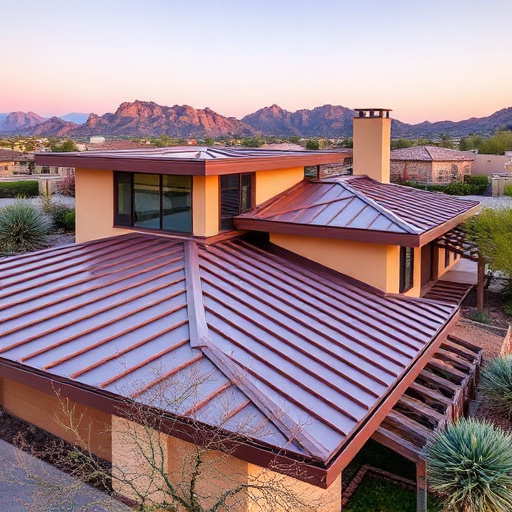
In the scorching sun of standing seam, metal roofing stands as a resilient guardian for homes and buildings, facing the harsh desert environment head-on. The challenge is evident: intense heat absorption, rapid temperature fluctuations, and the relentless force of monsoon storms. These conditions can take a toll on any roofing material, but metal roofs offer a unique solution. They're designed to withstand extreme conditions, reflecting heat and providing superior storm protection. However, even metal roofs aren't immune to the effects of time, including natural color fading. This article examines the science behind metal roofing's performance in desert climates, exploring its heat reflection, storm resilience, and the considerations for maintenance and longevity, ensuring your roof remains a reliable shield for years to come.
- Metal Roofs: Desert Sun Protection
- Heat Resistance & Monsoon Safety
- Color Fading: Natural Expectations
- Longevity & Storm Resilience
Metal Roofs: Desert Sun Protection
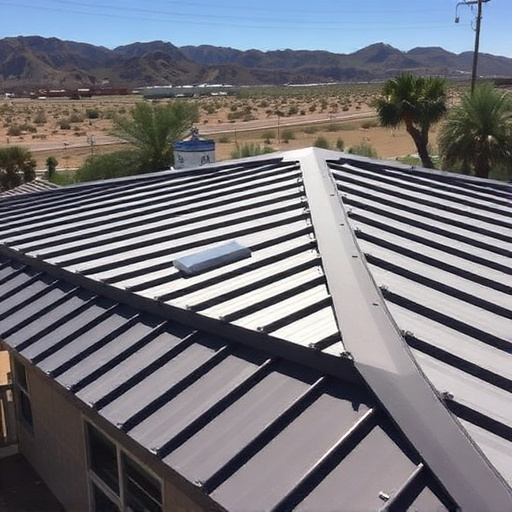
The desert sun poses unique challenges for any roofing material, but metal roofs, with their durable design, offer exceptional protection against the harsh conditions of Oro Valley's climate. When selecting a roofing material for a desert environment, it's crucial to consider how well it reflects the intense sunlight, which can significantly impact energy efficiency and the overall longevity of the structure.
Metal roofing, specifically R panel systems and standing seam designs, excels in this regard. The reflective properties of metal, often enhanced by Kynar-coated panels, ensure that the sun's rays are reflected away from the building, reducing heat absorption. This is a significant advantage over traditional shingles, which can become hot to the touch under direct sunlight. By minimizing heat transfer, metal roofs contribute to a cooler interior, leading to reduced energy costs. This reflective quality also lowers the risk of heat-related damage to the structure itself, which is a common issue with poorly chosen roofing materials in desert regions.
For maintaining a roof's integrity, hidden fastening systems, such as concealed clips, play a vital role. Unlike exposed screw fastening, these systems provide a sleek, aesthetically pleasing finish while ensuring the roof's structural soundness. In areas prone to extreme weather, like Oro Valley's monsoon season, a well-installed metal roof with concealed clips can offer superior protection against leaks at metal panel laps, a common concern with other types of roofing. A licensed roofer, like DC Roofing of Arizona, specializing in metal roofs understands the importance of proper installation, including the use of the appropriate panel gauge, to withstand these conditions. By choosing a metal roof and working with a qualified local contractor, homeowners can protect their investments and enjoy the long-term benefits of a durable, low-maintenance roofing solution, with minimal concern for metal roof color fading over time.
Heat Resistance & Monsoon Safety
Metal roofing offers exceptional performance in the challenging desert climate, where intense sun and high temperatures can take a toll on traditional roofing materials. One of the key advantages of metal roofs, such as standing seam and R-panel designs, is their superior heat resistance. These systems are engineered to reflect a significant portion of the sun's radiant heat, keeping the underlying structure cooler.
During monsoon storms, heavy rainfall and powerful winds can be a concern, but metal roofs are designed with safety and durability in mind. The robust construction of these roofs, often featuring hidden fasteners and secure panel-to-panel connections, ensures that they can withstand the harshest weather conditions. In fact, a study by the National Roofing Contractors Association (NRCA) found that metal roofs performed exceptionally well in regions with frequent extreme weather, including heavy rainfall and high winds, outlasting other materials by several years. This longevity translates to reduced maintenance and repair costs for homeowners, a significant advantage when considering the potential for hail damage.
While metal roofs offer superior heat reflection, it's essential to note that they can be more susceptible to color fading over time, especially when exposed to intense desert sunlight. However, modern metal roofing materials, like Kynar coated panels, have advanced color retention properties, ensuring that homes maintain their aesthetic appeal for years. A roofer with an Arizona ROC license can provide expert advice on choosing the right metal roof for your Oro Valley home, taking into account factors like color, gauge, and the specific climate challenges of the region. Proper maintenance, including regular cleaning and inspection, can also extend the lifespan of your metal roof, ensuring it continues to provide superior protection against desert heat and monsoon storms.
Color Fading: Natural Expectations
Metal roofing, particularly the standing seam variety, offers distinct advantages for dealing with the harsh desert environment of Oro Valley. One concern often raised by homeowners is the potential for metal roof color fading over time, especially under the intense sun and varying weather patterns characteristic of the region. This section examines the natural expectations of metal roof color fading and offers practical insights for homeowners considering this durable roofing option.
The exterior of a metal roof is often coated with advanced materials like PVDF (polyvinylidene fluoride) to enhance durability and resistance to environmental factors, including UV rays. Kynar-coated panels, a type of PVDF, are known for their superior performance in extreme conditions. These coatings play a crucial role in preventing premature color fading, which can result from prolonged sun exposure. However, it's essential to understand that while these coatings offer significant protection, they are not entirely immune to the effects of time and weather.
Over the years, metal roofing materials, such as Galvalume, have evolved to provide enhanced protection against fading. Galvalume is an alloy composed of aluminum, zinc, and magnesium, offering excellent corrosion resistance and a natural barrier against environmental damage. Unlike some traditional finishes, modern metal roofing options like R-panel systems are designed to withstand the region's heat and light, minimizing the risk of color shifts. An experienced Oro Valley roof specialist can guide homeowners in choosing the right panel gauge and coating for their specific needs, ensuring a metal roof that not only looks good but also performs well under the desert sun and during monsoon storms.
Regular maintenance is another key factor in preserving the color and overall appearance of a metal roof. Homeowners should inspect their roofs for loose screws, rust, or signs of damage, addressing these issues promptly. Proper maintenance, combined with high-quality materials, can ensure that a metal roof maintains its aesthetic appeal for many years, offering both functional and visual benefits for Oro Valley homes.
Longevity & Storm Resilience
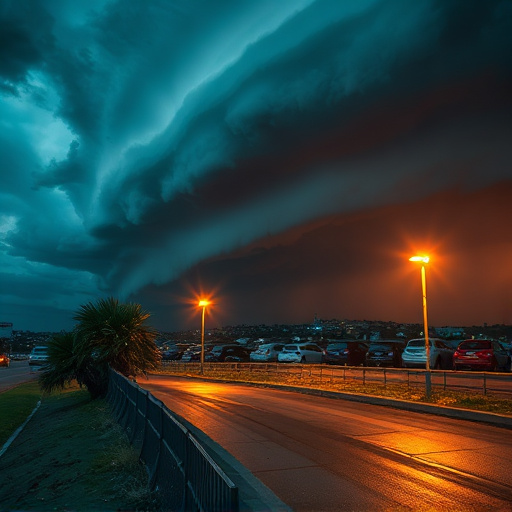
In the harsh conditions of the Catalina Foothills, where desert sun beats down and monsoon storms can roll in without warning, a metal roof stands out as a reliable and durable solution. Metal roofing is renowned for its longevity, a key factor in withstanding the rigors of Oro Valley's unique climate. Unlike traditional materials, metal roofs are less susceptible to the extreme temperature fluctuations and heavy rainfall typical of this region, ensuring they remain in top condition for decades.
The resilience of metal roofs is evident in their ability to handle intense solar radiation. The reflective properties of metal, including Kynar-coated panels, significantly reduce heat absorption, helping to keep homes cool during the scorching summer days. This not only lowers energy costs for homeowners but also minimizes the risk of heat-related damage to the structure. Metal roofs are designed to resist the powerful winds and heavy rain that come with monsoon storms. The standing seam design, a common choice for local homeowners associations (HOAs) due to its aesthetic appeal, creates a strong, interlocking system that prevents water penetration and minimizes the risk of leaks, even during extreme weather events.
Regular maintenance, such as re-fastening loose screws and applying fresh paint to protect against rust, is crucial for any metal roof. However, metal roofs are less prone to color fading compared to other materials, ensuring the original finish remains for years. For homeowners in Oro Valley, the longevity and storm resilience of metal roofing offer peace of mind, knowing their investment is secure against the challenging desert environment. Choosing a licensed Arizona roofer with expertise in metal installations can further ensure the optimal performance and longevity of these robust systems, providing a solid defense against the forces of nature.
Frequently Asked Questions About an explainer on how metal roofing handles desert sun, heat and monsoon storms
What makes metal roofing unique in desert environments? Metal roofing is well-suited to the harsh conditions of desert climates. Its primary advantage lies in its exceptional heat reflection capabilities. The standing seam design, common in metal roofs, creates a smooth, reflective surface that bounces solar radiation away from the building, significantly reducing heat absorption. This property helps maintain lower interior temperatures, making metal roofing an energy-efficient choice for regions experiencing intense desert sun.
How does metal roofing withstand extreme heat? The high thermal reflectance of metal roofing is a key factor in its ability to withstand extreme heat. The reflective surface minimizes the amount of heat transferred to the building structure, preventing heat buildup. Metal roofs are highly durable and resistant to warping or melting, even under prolonged exposure to high temperatures. This durability ensures that the roof remains intact and functional during the hot summer months.
Can metal roofing protect a home from monsoon storms? Absolutely. Metal roofing offers superior protection against monsoon storms, which can bring intense rain and strong winds. The seamless design of metal roofs makes them highly resistant to leaks, ensuring that water cannot penetrate through joints or seams. The strength and flexibility of metal allow it to withstand high winds and debris without damage, providing a secure shelter during storms.
Is metal roofing safe during lightning strikes? Metal roofing is generally considered safe during lightning strikes. The conductivity of metal serves as a path for lightning to travel, ensuring that the electrical charge is distributed evenly across the roof and into the ground. This property reduces the risk of direct impact and potential fires, making metal roofing a safer option in lightning-prone areas.
How does metal roofing maintain its appearance in desert conditions? Metal roofing is highly resistant to the effects of desert environments, including UV exposure and extreme temperatures. The exterior coating, often made of durable, weather-resistant materials, protects the metal from oxidation and corrosion. This coating, combined with the reflective surface, helps preserve the roof's aesthetic appeal, ensuring it maintains its original color and finish for many years.
What are the long-term benefits of metal roofing in desert regions? Metal roofing offers several long-term benefits in desert regions. Its longevity and durability ensure minimal maintenance and replacement costs over time. The energy efficiency contributes to reduced utility bills, while the protective qualities against extreme weather events enhance the overall structural integrity of the building. Metal roofs often come with extensive warranties, further assuring homeowners of their longevity and reliability.
Metal roofing offers a robust solution for standing seam homes in the Oro Valley desert climate, tackling the unique challenges posed by intense sun, high heat, and monsoon storms. By understanding the material's properties, homeowners can make informed decisions. Key insights include the superior heat resistance of metal, which helps mitigate the greenhouse effect inside homes, and its natural protection against the harsh sunlight of the desert. The longevity of metal roofs, proven to withstand intense storms, is a significant advantage, especially as the region's monsoon season can bring powerful winds and heavy rain.
While metal roofs can be susceptible to rust if not properly maintained, modern Kynar-coated panels offer superior resistance, prolonging the lifespan of the roof and minimizing the need for frequent repairs. Regarding aesthetics, homeowners should expect some natural color fading over time, a common characteristic of metal roofing that does not diminish its appeal or structural integrity.
Understanding the panel gauge, the thickness of the metal, and the options for hidden or exposed fasteners is crucial for a successful installation. Checking with local Homeowners Associations (HOAs) and building departments is essential to ensure compliance and approval for metal roofing, especially in a region prone to wildfires, where specific guidelines may apply.
Metal roofing is an exceptional choice for Oro Valley's desert climate due to its superior heat reflection, which reduces energy costs and minimizes heat-related damage. These systems are durable, with hidden fasteners ensuring structural integrity during monsoon storms, outperforming other materials in extreme weather. While metal roofs may be more prone to color fading, modern coatings like Kynar and advanced materials like Galvalume offer superior protection. Regular maintenance, including inspecting for loose screws and rust, is key to preserving the roof's appearance and longevity. A licensed Arizona roofer specializing in metal roofs can help homeowners make informed choices, ensuring optimal performance and peace of mind in the challenging desert environment.