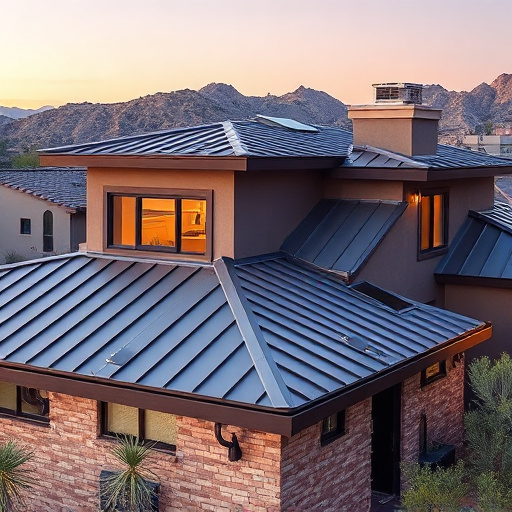
In the demanding climate of standing seam metal roofs in Oro Valley, the right roofing solution can make all the difference. As a region known for its intense desert sun, scorching heat, and sudden monsoon storms, homeowners and property managers face unique challenges when selecting a durable and reliable roof. The growing prevalence of metal roofs, including stone coated steel panels and corrugated metal roofing, offers a promising solution. These structures have proven their worth against harsh weather conditions, including hailstorms, which are a common occurrence in the area. This article examines how metal roofs excel in such an environment, exploring their ability to reflect heat, mitigate noise during rain, and withstand the rigors of nature, ensuring both longevity and aesthetic appeal, even in the most demanding conditions.
- Metal Roofs: Reflecting Desert Sun's Heat
- Withstanding Monsoon Storms: Metal's Strength
- Hail Protection: The Metal Roof Advantage
- Long-Term Performance: Metal in Arid Climes
Metal Roofs: Reflecting Desert Sun's Heat
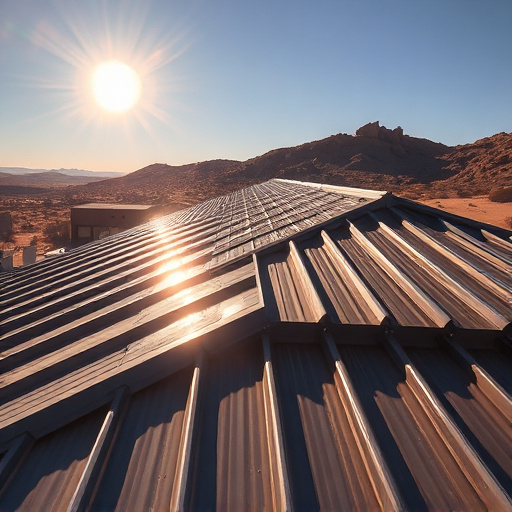
The intense desert sun in Oro Valley presents a unique challenge for roofing materials, but metal roofs offer an effective solution. Their design plays a crucial role in reflecting the sun's radiant heat, which is essential for maintaining a cool home during the scorching summer months. When considering a new roof or replacing an old one, homeowners should understand how metal roofs interact with the desert environment, particularly regarding heat reflection.
Standing seam metal roofs, a popular choice in the region, are designed with a specific focus on heat management. The panels are typically made from durable materials like aluminum or steel, coated with advanced technologies like Kynar, which enhances their solar reflectance. This coating not only adds aesthetic appeal but also acts as a barrier against the sun's harmful UV rays. The standing seam design itself contributes to the roof's ability to shed heat. The panels interlock, creating a seamless finish that reduces heat absorption and minimizes the potential for heat transfer into the building. This design feature, combined with the reflective coating, helps to keep interior spaces cooler, reducing the workload on air conditioning systems.
A licensed Oro Valley area roofing contractor may recommend R-panel systems, known for their high thermal efficiency and ability to resist heat transfer. These panels, with their reflective coating, can significantly lower roof temperatures compared to traditional materials. During an HOA architectural review, homeowners can confidently present the energy-efficient benefits of metal roofing, backed by the latest in materials science. By choosing a metal roof, homeowners can expect a cooler home, potentially lowering energy bills and reducing the environmental impact. This is particularly important in Oro Valley's climate, where extreme heat is a regular occurrence.
Withstanding Monsoon Storms: Metal's Strength
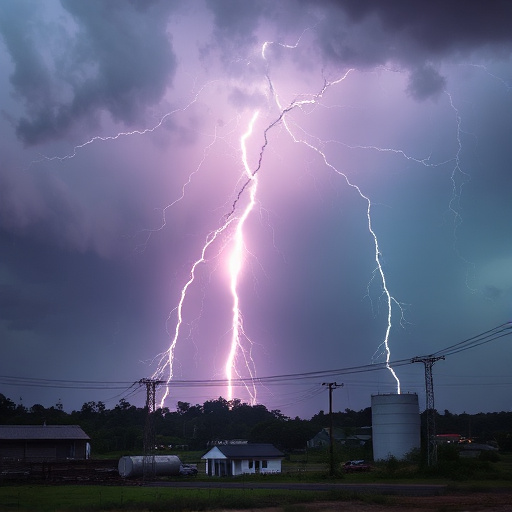
In the rugged landscapes of the Catalina Foothills, where desert sun beats down and monsoon storms can be fierce, a metal roof stands as a sign of durability. When considering how to protect your Oro Valley home, understanding the resilience of metal roofing against hail, lightning, and the unique weather patterns of this region is crucial. Let's examine why metal roofs are an excellent choice for withstanding the challenges of monsoon storms.
Metal roofing is renowned for its strength and resistance to extreme weather. In terms of hail, a licensed Arizona roofer will confirm that metal panels are much more robust than traditional shingles. The dense material can withstand the impact of large hailstones, reducing the risk of damage. This is especially important in areas like Oro Valley, where hailstorms are a regular occurrence. Metal roofs offer superior protection against lightning strikes. The National Roofing Contractors Association (NRCA) highlights that metal is an excellent conductor of electricity, safely dissipating the energy of a lightning strike, and minimizing the risk of fire or damage to your home.
One of the key advantages of metal roofing is its ability to handle thermal expansion and contraction, which is crucial during monsoon seasons. As temperatures fluctuate rapidly, metal panels expand and contract without breaking or cracking. This prevents issues like leaks at metal panel laps, a common problem with other roofing materials. When intense heat from the desert sun is followed by a sudden downpour, the metal roof's flexibility ensures water does not penetrate the system. The NRCA recommends using a suitable underlayment and proper flashing details to further enhance the performance of metal roofs against extreme weather.
When choosing a metal roof, consider the panel gauge, which indicates the thickness of the material. Thicker panels, like Kynar-coated steel with a gauge of 24 or higher, offer enhanced resistance to corrosion and damage. This long-lasting material can withstand the rigors of the Catalina Foothills' climate. Regular maintenance, including re-sealing and repainting, ensures your metal roof retains its protective properties. Remember, a well-maintained metal roof can provide decades of reliable protection, making it a smart investment for your Oro Valley home.
Hail Protection: The Metal Roof Advantage
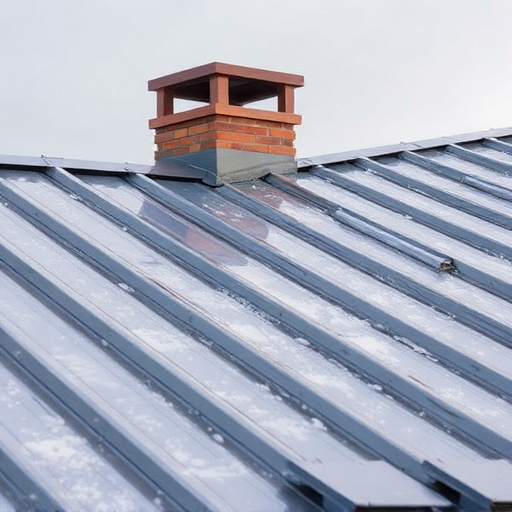
Hail protection is a critical consideration for any homeowner living in a region prone to severe weather events, and this is where metal roofs truly shine. In Oro Valley, where hailstorms can be frequent and intense, a metal roof offers a robust defense against these powerful natural occurrences. Let's examine why metal roofs are an excellent choice for protecting your home from hail damage.
Metal roofs, particularly standing seam styles, are designed to withstand extreme conditions. The panels are typically made from durable materials like Kynar-coated steel, which is highly resistant to corrosion and impact damage. When a hailstone-ranging from small pebbles to golf-ball-sized missiles-meets a metal roof, it simply bounces off. This is because metal has a natural flexibility that allows it to deform under impact, absorbing some of the energy and preventing penetration. In contrast, traditional roofing materials like asphalt shingles can easily tear or crack under the force of hail, leading to leaks and costly repairs.
One of the key advantages of metal roofs is their structural integrity. The panels are often fastened with exposed fasteners, which, while providing a unique aesthetic, also contribute to the overall strength. These fasteners are designed to hold the panels firmly in place, even during extreme weather events. Proper installation ensures that the metal roof is securely attached to the building's structure, enhancing its overall resistance to hail and strong winds. A licensed Arizona roofer specializing in metal roofs can utilize specific techniques and materials to ensure a durable, long-lasting installation.
Effective hail protection also involves proper ventilation, which is where ridge vents come into play. By installing ridge vents along the peak of the roof, hot air can escape, reducing the risk of thermal expansion and contraction that could lead to panel damage. This ventilation helps maintain a consistent roof temperature, minimizing the potential for hail-related damage. In Oro Valley, where extreme heat is a regular occurrence, this feature is invaluable. By combining robust materials, secure fastening techniques, and strategic ventilation, metal roofs offer a superior defense against hail, ensuring your home remains safe and protected year-round.
Long-Term Performance: Metal in Arid Climes
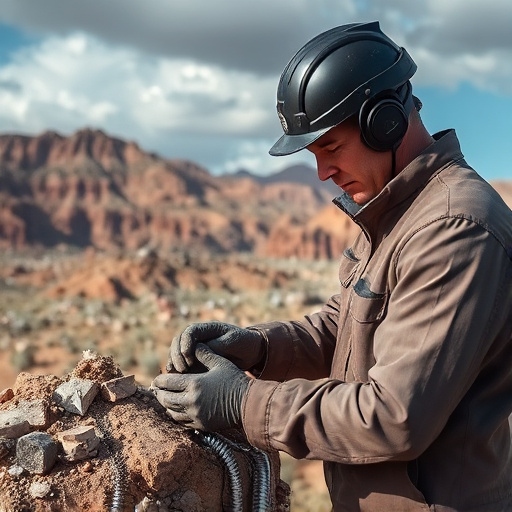
In arid climates like Oro Valley, where intense sun and heat are year-round constants, choosing the right roofing material is crucial for long-term performance and home protection. Metal roofs, specifically those constructed with standing seam metal and stone coated steel panels, are designed to withstand these harsh conditions. Their durability is a key advantage, as they offer superior resistance to extreme temperatures compared to traditional roofing materials.
The desert sun's harsh rays can cause rapid deterioration of regular shingles, but metal roofs provide a robust defense. The reflective properties of the metal help to bounce sunlight away, reducing heat transfer into the home. This is especially valuable in Oro Valley's hot summers, where keeping indoor spaces cool can be a significant challenge. Metal roofs are less prone to damage from hailstorms, a common occurrence in the region, thanks to their robust construction and the use of concealed clips for fastening the panels. A local roofing company serving Oro Valley can install these systems to meet both aesthetic and structural requirements.
To further enhance their longevity in such environments, modern metal roofs often incorporate Class A fire ratings and synthetic underlayments. These innovations offer additional protection against fire risk, a critical consideration for homeowners in wildland-urban interfaces. The synthetic underlayment provides a secondary barrier against water intrusion, addressing a common issue with heavy monsoon storms. By understanding these factors, property owners can make informed decisions when selecting a roofing system that not only endures but also contributes to the overall resilience of their homes in the face of extreme weather.
Frequently Asked Questions About an Explainer on How Metal Roofing Handles Desert Sun, Heat, and Monsoon Storms
Why is metal roofing popular in desert climates? Metal roofing is highly suitable for desert environments due to its exceptional heat reflection properties. The reflective surface of metal helps to minimize the absorption of solar heat, keeping homes cooler during the intense desert sun. This feature is especially beneficial in regions with high temperatures and limited rainfall, where energy-efficient cooling solutions are crucial.
How does metal roofing perform during monsoon storms? Monsoon storms bring heavy rainfall and strong winds, but metal roofing excels in withstanding these conditions. The robust design and secure attachment of metal panels ensure they remain intact during storms. Metal roofing offers superior drainage capabilities, allowing rainwater to slide off efficiently, which reduces the risk of water damage to the structure below.
Does metal roofing expand and contract with temperature changes? Yes, metal does expand and contract with temperature fluctuations, but this characteristic is an advantage in desert climates. Metal roofing materials contract during cooler nights, reducing the risk of warping or damage. They also expand during the day, ensuring a tight seal around fixtures and flashing, further protecting against leaks. This natural movement is a key factor in the longevity of metal roofing.
Are there any maintenance requirements for metal roofing in hot, dry conditions? Metal roofing requires minimal maintenance, especially in desert regions. Unlike traditional shingles, metal panels don't absorb moisture, which reduces the risk of rot and mold. A simple visual inspection every few years is usually sufficient to identify any potential issues. Minor repairs, such as tightening screws or replacing bent panels, can be done easily, ensuring the roof remains in top condition.
How does metal roofing impact energy efficiency in desert homes? The reflective surface of metal roofing significantly reduces the amount of heat transferred into the home, leading to improved energy efficiency. This is particularly important in desert regions where temperatures can soar. By keeping the interior cool, metal roofing helps reduce the workload on air conditioning systems, potentially lowering energy bills and contributing to a more sustainable home.
In the harsh desert environment, metal roofs prove their mettle. By reflecting the sun's intense heat, they help keep homes cool, reducing energy costs and mitigating the urban heat island effect. Their superior strength and durability stand up to monsoon storms, which can wreak havoc on traditional roofing materials. Metal roofs offer superior protection against hail, a common threat in this region. This resilience is no mere coincidence; the robust design and construction of metal roofs, including hidden fasteners and specialized underlayments, ensure they withstand the toughest weather conditions.
Longevity is another key advantage. Metal roofs can last for decades, providing a reliable, low-maintenance solution for homeowners. This long-term performance translates into significant cost savings and peace of mind, especially considering the potential for catastrophic damage from hailstorms. The article's insights underscore the superior performance of metal roofs in arid climates, making them a smart choice for any Tucson property owner concerned with durability, energy efficiency, and storm resilience.
Next steps for homeowners considering a metal roof include consulting with a licensed local contractor to discuss installation options and ensure compliance with HOA regulations. By prioritizing these expert-backed recommendations, homeowners can protect their investments and enjoy the many benefits that metal roofing offers in the face of the region's extreme weather conditions.
In Oro Valley's desert climate, metal roofs offer a superior solution for heat reflection, storm resistance, and longevity. They:
- Reflect Heat: Standing seam metal roofs with Kynar coating reduce interior heat gain, lowering energy bills.
- Resist Hail: Their dense material and concealed fastening withstand impact, protecting against damage.
- Protect Against Lightning: Metal is an excellent conductor, dissipating lightning strikes safely.
- Handle Monsoon Weather: Metal's flexibility prevents leaks at laps, and proper underlayment enhances performance.
- Longevity: Thick, coated steel panels resist corrosion and damage, ensuring decades of reliable protection.