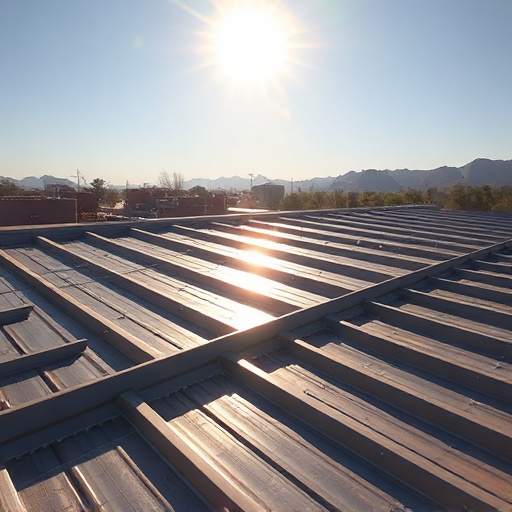
In the arid climate of Oro Valley, where intense desert sun and unpredictable monsoon storms are the norm, choosing the right roofing material is crucial for both comfort and resilience. Traditional roofing options often struggle to withstand these harsh conditions, leading to premature wear, leaks, and costly repairs. Enter metal roofing: a robust and versatile solution that offers superior protection against the elements. This article examines how standing seam metal roofs, a popular choice for both new builds and retrofits, including those for barns and casitas, excel in managing the unique challenges posed by Oro Valley's climate. We'll explore the materials, installation best practices, and long-term benefits that make metal roofing a smart investment for homeowners and local contractors alike.
- Reflecting Desert Heat: Metal Roofs' Role in Energy Efficiency
- Withstanding Monsoon Storms: The Durability of Metal Roofs
- Cooling Effect: Metal Roofs and Thermal Management in Arid Climes
- Safe and Sound: Metal Roofs' Protection Against Desert Elements for Barns and Casitas
Reflecting Desert Heat: Metal Roofs' Role in Energy Efficiency
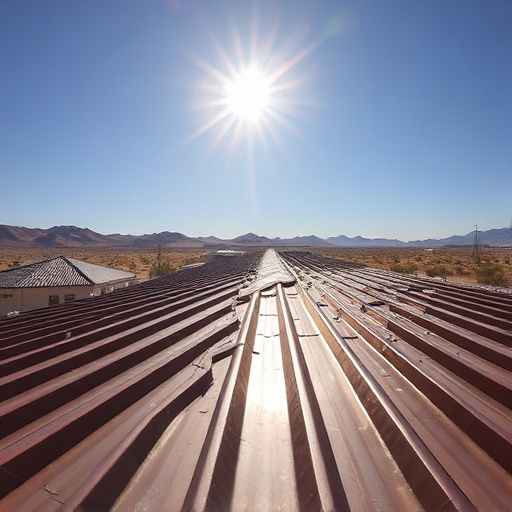
In the scorching desert sun, energy efficiency is not just a luxury-it's a necessity. Metal roofs, particularly standing seam varieties, play a crucial role in keeping homes in Oro Valley cool and comfortable. This is achieved primarily through their exceptional heat reflection capabilities. The desert landscape, with its intense sunlight and high temperatures, demands roofing materials that can stand up to these conditions without transferring heat into the home.
Metal roofs, especially those with Kynar 500 coating, excel in this regard. The Kynar 500 finish is renowned for its superior heat reflection properties, ensuring that the sun's rays are reflected away from the building, not absorbed. This effect is further enhanced by the use of concealed clips, which secure the metal panels without penetrating their surface. This installation method not only maintains the aesthetic appeal of the roof but also minimizes heat transfer through the fastening system.
Consider the impact on energy costs: a well-installed metal roof can significantly reduce air conditioning demands during the hot summer months. According to local home insurance companies and energy-efficient home programs, such as those supported by the Oro Valley Building Department and local Homeowners Associations (HOAs), homes with metal roofs often experience lower utility bills. This makes metal roofs an attractive option for homeowners looking to reduce their carbon footprint and save money on energy costs.
When considering a metal roof for your barn or casita, a roofer with an Arizona ROC license can provide valuable guidance. They'll help you understand the appropriate panel gauge for your structure's needs, ensuring that the roof not only looks great but also performs optimally in Oro Valley's unique climate. Remember, thermal expansion and contraction due to desert heat can be a concern for any roofing material. However, high-quality metal roofs, when installed with proper underlayment and flashing, can withstand these fluctuations, preventing leaks and ensuring longevity.
Withstanding Monsoon Storms: The Durability of Metal Roofs
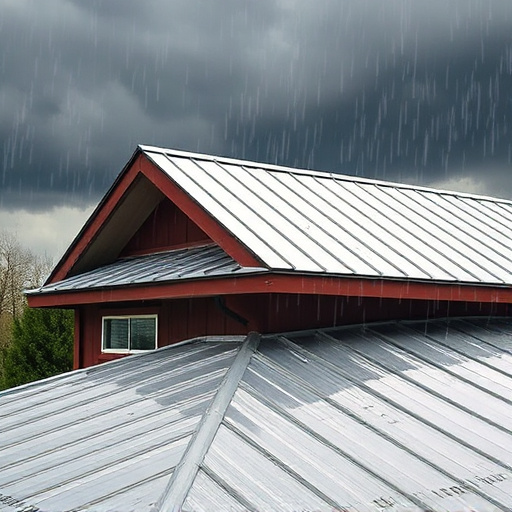
In Oro Valley, facing the harsh desert sun and unpredictable monsoon storms, choosing a durable roofing material is crucial. Metal roofs, especially standing seam and stone coated steel panels, have proven their mettle in these conditions. They are designed to withstand extreme temperatures, high winds, and the relentless rain that often comes with monsoon season.
One of the key advantages of metal roofs, particularly for barns and casitas, is their superior strength. These roofs are built to last, with thick, resilient materials that can resist the powerful forces of nature. A licensed Arizona roofer often recommends metal for its ability to handle intense heat without warping or melting, a common issue with other materials during the summer. Metal roofing offers excellent protection against hail, a frequent threat in these parts. The robust design, often featuring hidden fasteners, ensures that metal roofs remain intact even during violent storms.
Monsoon storms can cause significant damage, but metal roofs are equipped to minimize it. Neoprene washers, for example, are integrated into the design to seal joints and prevent leaks, a common issue with less robust roofing systems. This feature, combined with proper installation and regular maintenance, can significantly extend the life of your roof. Local Homeowners Associations (HOAs) in Oro Valley, known for their strict building guidelines, frequently approve metal roofing due to its durability and aesthetic appeal. The low maintenance requirements of metal roofs translate to significant savings over time, making them a wise investment for any property owner facing the challenges of the desert climate.
Cooling Effect: Metal Roofs and Thermal Management in Arid Climes
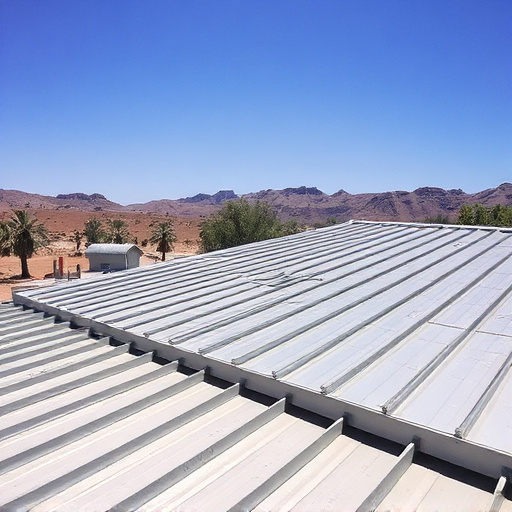
In the arid climate of Oro Valley, facing the intense desert sun, high temperatures, and the unique challenges posed by monsoon storms, efficient thermal management is crucial for any roofing system. Metal roofs, known for their durability and longevity, offer a significant advantage in this regard. When selecting a roofing material for homes, barns, or casitas in the Catalina Foothills, understanding the cooling effect of metal is essential.
Metal roofing, particularly standing seam varieties, reflects a significant portion of the sun's radiant heat, contributing to a cooler indoor environment during the hot summer months. This reflective property is achieved through the use of Kynar-coated panels, which have proven superior in heat reflection compared to traditional roofing materials. This not only lowers the demand for air conditioning but also extends the lifespan of the roofing system by minimizing heat-related stress.
The design of metal roofs plays a role in thermal management. The use of exposed fastening systems, while offering a modern aesthetic, ensures better air circulation beneath the roof, aiding in heat dissipation. In contrast, hidden fastening systems, also common in metal roofing, reduce potential thermal bridges, further enhancing the roof's insulation properties. A roofer with an Arizona ROC license will often recommend synthetic underlayment, which provides an additional layer of protection against moisture and thermal transfer, contributing to a more stable environment under the roof. This is especially beneficial during monsoon storms, where sudden temperature drops can occur due to the cooling effect of rain.
Thermal expansion is another critical factor in metal roofing's performance in extreme climates. Metal, unlike some organic materials, expands and contracts with temperature changes, which can lead to potential issues if not properly addressed. Quality metal roofs are designed with these fluctuations in mind, using materials and construction techniques that minimize the risk of cracking or warping. For metal roofs over existing structures, careful planning and the right panel gauge ensure a secure, long-lasting installation, even in the face of dramatic temperature shifts during Oro Valley's seasonal changes.
Safe and Sound: Metal Roofs' Protection Against Desert Elements for Barns and Casitas
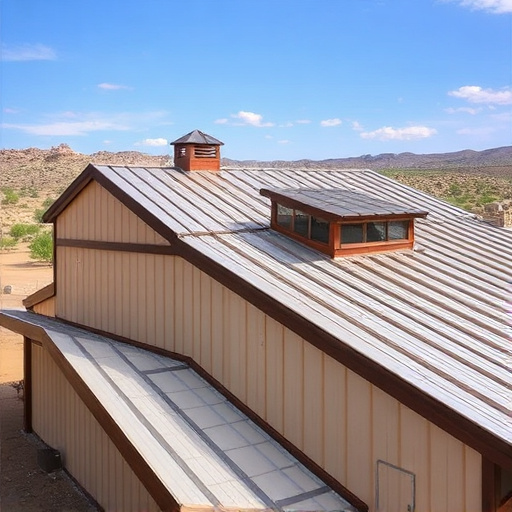
In the harsh desert environment of Oro Valley, metal roofs for barns and casitas offer a robust solution, protecting structures from the relentless sun, extreme heat, and sudden monsoon storms. These buildings, often located in the scenic Catalina Foothills, require roofing systems that can withstand not only high temperatures but also the rapid changes in weather patterns characteristic of the region. Metal roofing excels in these conditions due to its superior heat reflection properties. The standing seam metal roof, in particular, reflects a significant portion of the sun's radiant heat, keeping the interior cool and reducing energy costs. This is a critical advantage over traditional roofing materials, which can absorb heat, leading to elevated interior temperatures and increased cooling demands.
When selecting a roofing system for desert conditions, proper ventilation is key. A roofing contractor serving Oro Valley and Marana recommends incorporating a ridge vent into the design. This ventilation system allows hot air to escape from the roof cavity, preventing the buildup of heat that can compromise structural integrity and increase cooling loads. By combining effective ventilation with the heat-reflective properties of metal, metal roofs for barns and casitas can significantly enhance energy efficiency. This system's durability is unmatched; it can withstand intense winds, heavy rainfall, and the occasional hailstorm, a common occurrence during monsoon season.
While metal roofs offer exceptional protection against the elements, it's essential to consider local regulations and HOA architectural reviews. In Oro Valley, such reviews are common, especially for structures in scenic areas like the Catalina Foothills. Homeowners and builders must ensure that any roofing material chosen complies with local building codes and HOA guidelines. Fortunately, metal roofs meet these requirements due to their longevity and low maintenance. The local Oro Valley Building Department often approves metal roofing for its durability and resistance to fire, a significant safety consideration in arid climates. This approval process ensures that metal roofs for barns and casitas not only protect against the desert's harsh elements but also align with community standards.
Frequently Asked Questions About an explainer on how metal roofing handles desert sun, heat and monsoon storms
What makes metal roofing suitable for a desert climate?
Metal roofing is a superior choice for desert environments due to its exceptional durability and resistance to extreme temperatures. Unlike traditional materials that may expand and contract dramatically with heat fluctuations, metal roofing remains stable, preventing warping or cracking. Its reflective properties also help bounce sunlight away, reducing the heat transfer into the home and lowering cooling costs.
How does metal roofing protect against intense sun exposure?
The reflective surface of metal roofing matters in mitigating the effects of intense desert sun. By reflecting a large portion of sunlight, it reduces the amount of heat absorbed by the building, lowering the need for air conditioning. This reflection is especially crucial during the hotter months, when the sun is highest in the sky.
Can metal roofing withstand monsoon storms?
Absolutely. Metal roofing is renowned for its strength and ability to withstand harsh weather conditions, including monsoon storms. Its robust design and attachment methods ensure it can resist strong winds and heavy rainfall commonly associated with monsoons. The material's flexibility allows it to absorb some of the impact from falling debris, further enhancing its storm protection capabilities.
Is metal roofing more expensive than traditional options?
While the initial cost of metal roofing may be higher than traditional materials, its longevity and performance make it a cost-effective choice in the long run. With proper maintenance, metal roofs can last for decades, often outliving their conventional counterparts. The reduced need for frequent repairs or replacements makes up for the higher upfront cost.
Are there any maintenance requirements specific to metal roofing?
Regular cleaning and inspection are essential to maintain the optimal performance of metal roofing. It's recommended to remove any built-up dirt, debris, or algae to ensure the reflective surface remains effective. Checking for loose or damaged panels and securing them promptly is crucial, especially in areas prone to strong winds. Minor repairs can be handled by homeowners, but complex issues should be left to professionals.
As we've explored, metal roofs are a strategic choice for desert climates, offering significant advantages in both energy efficiency and storm resilience. Their ability to reflect the intense desert sun reduces cooling costs, making them a smart investment for homeowners looking to lower utility bills. Metal roofs withstand the brutal monsoon storms that are a regular part of the region's weather pattern, ensuring longevity and minimal maintenance.
When considering metal roofs for barns and casitas, the same benefits hold true. This durable material provides a protective barrier against the harsh desert elements, offering both structural integrity and aesthetic appeal. The practical, low-maintenance nature of metal roofing makes it an excellent option for any property in this climate, ensuring resilience against the elements while enhancing the building's value.
For those seeking a robust, efficient, and aesthetically pleasing solution for their desert property, metal roofs for barns and casitas top the list. Their proven performance in reflecting heat, withstanding storms, and minimizing maintenance makes them a valuable asset for any homeowner or property manager.
Metal Roofs for Energy Efficiency and Protection in Oro Valley
Metal roofs, especially standing seam varieties with Kynar 500 coating, excel in Oro Valley's desert climate by reflecting heat and minimizing heat transfer. This reduces energy costs and provides superior protection against intense sun, high winds, and monsoon storms. For barns and casitas, a licensed roofer recommends metal for its strength, durability, and low maintenance. Metal roofs also meet local building codes and HOA guidelines, making them a practical and approved choice for the region's unique conditions.