In the contemporary landscape of Oro Valley, the choice of roofing material is not just an aesthetic decision-it's a strategic investment that impacts energy efficiency, longevity, and even community approval. Among the options, metal roofs, particularly standing seam designs, have gained popularity for their durability and modern aesthetics. However, homeowners often face a unique challenge: understanding the specific care required for these robust structures. This article examines a crucial aspect: addressing the concerns related to noise, expansion, and fastener maintenance in metal roofs, with a special focus on the superior performance of Kynar coated panels. By the end, you'll be equipped to ensure your metal roof stands the test of time, noiselessly and securely.
- Understanding Metal Roof Noise: Causes and Mitigation
- Expansion and Contraction: A Key Metal Roof Concern
- Fastener Care: Securing Your Kynar Coated Panels
- Longevity: The Role of Kynar Coated Panels in Roof Care
Understanding Metal Roof Noise: Causes and Mitigation
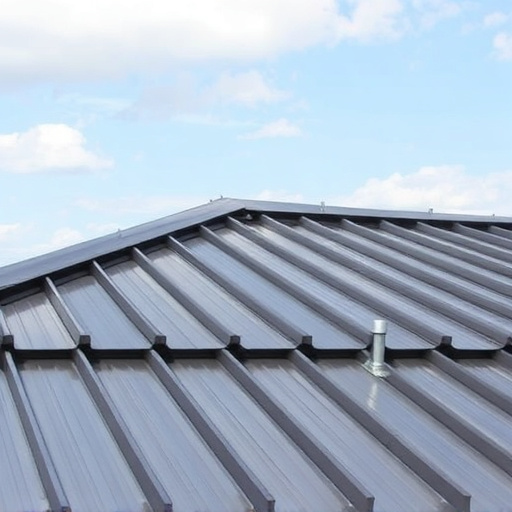
Metal roofs, while known for their durability and low maintenance, sometimes face scrutiny due to a concern that they can be excessively noisy, especially during rainfall. This perception is not unfounded, as metal's inherent properties can lead to noise issues under certain conditions. However, understanding these factors is key to mitigating any potential problems and ensuring a peaceful outdoor environment.
Noise from metal roofs primarily stems from two causes: thermal expansion and fastener vibration. Metal, including Kynar coated panels commonly used in standing seam roofs, expands and contracts based on temperature fluctuations. This expansion and contraction can cause panels to move slightly, creating a distinctive ringing sound, especially when it interacts with fasteners. Fasteners like screws and staples, while securing the panels, can vibrate due to wind or rain, amplifying any slight movement in the metal.
The good news is that these issues can be effectively addressed. First, ensure proper installation by a licensed local roofing company serving Oro Valley. Skilled technicians understand the importance of aligning panels precisely and using the right fastening techniques to minimize vibration. Consider the material's coating. Kynar-coated panels, known for their PVDF (polyvinylidene fluoride) and stone-coated steel variants, offer superior noise reduction compared to uncoated metal. The coating's smooth surface helps to dampen sound, preventing it from reflecting off the metal.
Regular maintenance plays a crucial role. Inspecting the roof for loose screws and promptly tightening them can prevent excessive vibration. Keep an eye out for any signs of rust, as it can weaken fasteners, leading to increased noise and potential structural issues. Regular cleaning and maintenance by homeowners can also reduce noise by removing debris that may accumulate and cause friction. In areas prone to hail or lightning, additional underlayment or protective layers might be recommended to safeguard the roof and mitigate noise from these events.
Expansion and Contraction: A Key Metal Roof Concern
Expansion and Contraction: A Key Metal Roof Concern
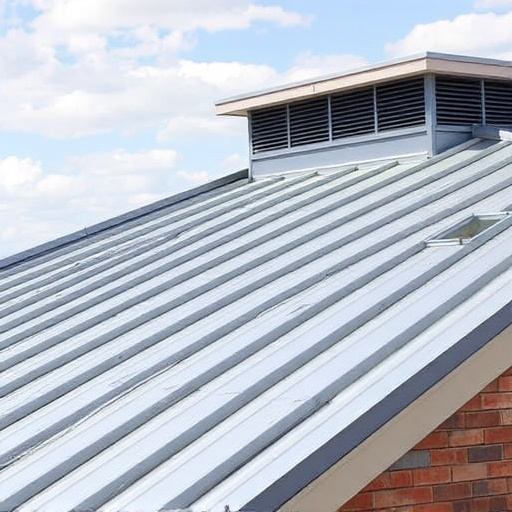
Metal roofing, particularly standing seam metal roofs, offers numerous advantages, from superior durability to reduced energy costs. However, one critical aspect often overlooked is the metal roof's ability to expand and contract with temperature fluctuations. This natural phenomenon can impact the performance and longevity of your roof, especially when dealing with materials like Kynar coated panels, known for their excellent solar reflectance and resistance to the elements.
In Oro Valley's varying climate, metal roofs must endure both heat and cold extremes. During hot summer days, the metal expands, while cold nights cause it to contract. This cyclical expansion and contraction can lead to issues if not properly addressed. Concealed clips, a common fastening method, might pull away from the panel over time, creating gaps that allow moisture intrusion. This problem can be exacerbated by loose roof screws, which can also result from excessive thermal movement.
An experienced Oro Valley roof specialist recommends regular inspections to identify and rectify these issues early. Maintaining tight fastenings and ensuring proper screw placement are crucial. Using high-quality, Kynar-coated panels can provide enhanced thermal stability. These panels are designed to withstand extreme temperatures, minimizing the effects of expansion and contraction. Proper installation, including adequate fastener placement and regular maintenance, can extend the lifespan of your metal roof, ensuring it performs optimally for years to come.
Fastener Care: Securing Your Kynar Coated Panels
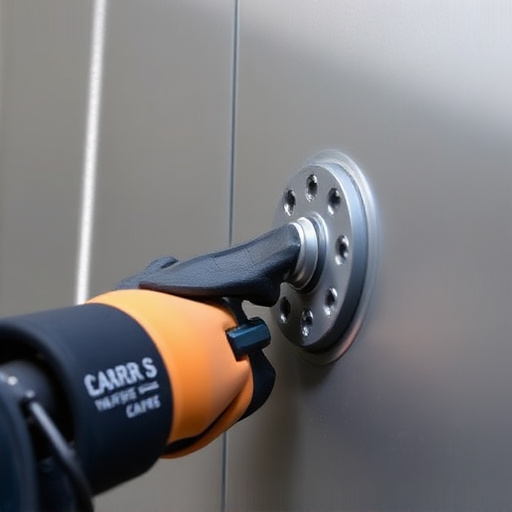
In the arid climate of Oro Valley, securing your investment in a Kynar coated panel metal roof requires careful consideration of fastener care. These panels, renowned for their durability and PVDF coating, are designed to withstand the harsh conditions specific to the Catalina Foothills. However, proper fastener installation and maintenance are crucial to prevent issues like loose screws, rust, and noise amplification during heavy rain.
A licensed Arizona roofer recommends adhering to strict guidelines when securing Kynar coated panels. The panel gauge, a measure of thickness, plays a vital role. Typically, gauge 3 or higher panels are recommended for areas like Oro Valley, considering the potential for extreme weather events. Using the right gauge not only ensures structural integrity but also aligns with local building codes, often enforced by the Oro Valley Building Department. Proper fastener spacing and depth are equally critical. Fasteners should be installed to a depth that secures the panel while allowing for some flexibility to accommodate thermal expansion and contraction.
Regular inspection and maintenance are essential. Homeowners should check for loose screws, especially after severe weather events or high winds. The local Home Insurance Companies often offer guidelines on metal roof maintenance, highlighting the importance of timely fastener replacement and tightening. Addressing rust early is crucial. The desert environment may seem ideal, but the presence of moisture can accelerate rust, particularly in areas with high dust or near tree lines. Regular cleaning and the use of rust-resistant fasteners, available at local paint and hardware stores, can mitigate this issue.
A recent study by a local environmental protection agency found that well-maintained metal roofs, including those with Kynar coated panels, had a significantly lower rate of leaks at metal panel laps compared to traditional roofing materials. This was particularly notable in areas with strict building codes, like the HOAs prevalent in Oro Valley. By prioritizing fastener care, homeowners can extend the lifespan of their metal roofs, enhance energy efficiency, and ensure the structural integrity of their homes, all while minimizing environmental impact.
Longevity: The Role of Kynar Coated Panels in Roof Care
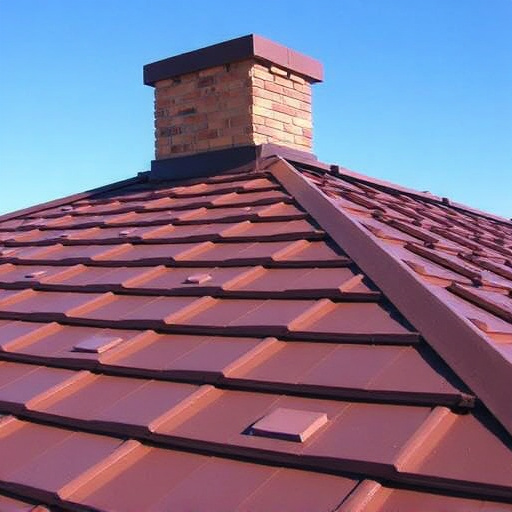
The longevity of a metal roof is a key consideration for any homeowner in the hot, windy, and sometimes stormy climate of Oro Valley. Among the many factors that contribute to a roof's durability, Kynar coated panels stand out as a superior choice for long-term performance. This innovative coating, applied to both standing seam and stone coated steel panels, offers superior resistance to corrosion, UV degradation, and even hail damage, all common threats in our region.
Metal roofs, when properly installed and maintained, can last 30 years or more-a significant investment. However, the performance of these systems can be affected by factors like exposed fasteners and monsoon winds. Fasteners left exposed to the elements can rust over time, leading to loose screws and potential leaks. That's why many expert roofing contractors, including those at a local Oro Valley company, recommend using neoprene washers to seal the gap between the fastener head and the panel, protecting against these issues.
Kynar coated panels further enhance a metal roof's longevity by providing a protective barrier against environmental stressors. The coating's flexibility allows it to expand and contract with temperature changes, preventing thermal expansion cracks. This is especially crucial during the intense summer heat and occasional monsoons that can put immense stress on metal. By investing in Kynar coated panels and proper fastener care, homeowners can expect their metal roofs to not only withstand but also to thrive in Oro Valley's demanding climate for decades to come.
Regular maintenance, including re-fastening as needed and re-coating after 10-15 years, is essential to keep these systems at peak performance. A well-maintained metal roof not only protects a home but also adds value, making it a sound investment for any Oro Valley homeowner.
Frequently Asked Questions About an Explainer on Noise, Expansion and Fastener Care on Metal Roofs
What is the primary concern when installing metal roofs regarding noise?
Noise control is a key consideration when installing metal roofs, especially in urban areas. Metal roofing materials, while durable and attractive, can be noisy during installation due to their weight and the impact of tools and hardware. Proper installation techniques, including using noise-dampening underlayments and sealing gaps, can significantly reduce noise levels. These measures help prevent the transmission of sound between the roof and the interior of buildings, ensuring a quieter living environment for homeowners.
How do metal roofs handle expansion and contraction in varying climates?
Metal roofs are designed to withstand significant thermal expansion and contraction, a process where materials change length or volume in response to temperature changes. In varying climates, this can be a significant consideration. Standing seam metal roofs, a popular choice, offer superior performance in this regard. Their design features, such as sealed seams, allow the metal to expand and contract without compromising structural integrity. Proper fastener placement and the use of flexible flashing further enhance the roof's ability to adapt to environmental changes, ensuring longevity and durability.
What are the best practices for securing metal roof panels with fasteners?
Securing metal roof panels with fasteners requires careful consideration. Fasteners should be chosen based on the specific metal type and panel thickness for optimal holding power. Pre-drilling pilot holes is essential to prevent cracking and ensure proper penetration. Fasteners should be installed at regular intervals, following the manufacturer's guidelines. Using a torque wrench guarantees consistent fastening torque, enhancing the roof's overall strength and durability. Regular inspection and tightening of fasteners as needed also contribute to the long-term performance of the metal roof.
Can metal roofs be walked on during installation, and if so, under what conditions?
Metal roofs can be walked on during installation, but it should be done with caution and under specific conditions. For safety, ropers or safety nets should be employed, especially on steep slopes. Walking on metal panels should be limited to when they are properly secured and the underlayment is in place. It's crucial to avoid damaging the panels or the roof's integrity by stepping on them improperly. Following safe walking practices and using appropriate equipment ensures a secure and safe installation process.
How often should fastener inspections and tightening be conducted on metal roofs?
Regular fastener inspections and tightening are vital for the long-term performance of metal roofs. It is recommended to inspect fasteners at least once a year, more frequently in areas prone to severe weather or high wind. Tightening should be done as needed to maintain the recommended torque specified by the manufacturer. This proactive approach helps prevent loose fasteners, which can lead to panel shifting, water infiltration, and other structural issues.
Are there any specific considerations for metal roof maintenance in Arizona's Oro Valley region?
In Oro Valley, Arizona, as in many arid climates, metal roof maintenance has unique considerations. Regular cleaning to remove dust and debris is essential to maintain the roof's appearance and reflectivity, which can aid in heat dissipation. Inspecting for signs of rust or corrosion, especially in areas with high salt content in the air, is crucial. Prompt repair or replacement of affected components prevents further damage. Staying informed about local weather patterns and taking preventive measures during extreme conditions ensures the longevity of the metal roof in the Oro Valley region.
As you've explored the intricacies of metal roof care in Oro Valley, several key insights emerge. First, understanding the unique noise profile of metal roofs, primarily caused by rain striking the panels, is crucial. Mitigating this issue requires proper installation techniques and, in some cases, specialized sound-absorbing underlayments. Second, the expansion and contraction of metal, particularly in extreme temperatures, poses a significant challenge. Ensuring a robust, flexible fastening system is vital to prevent damage, with Kynar coated panels offering enhanced resistance to thermal expansion. Lastly, the longevity of your metal roof heavily depends on proper fastener care and regular maintenance. Securing and sealing Kynar coated panels correctly not only preserves their durability but also safeguards against leaks and rust. By prioritizing these aspects, you'll not only enhance your Oro Valley home's curb appeal but also invest in a safe, reliable roof that stands the test of time, potentially increasing your property's resale value.
Metal Roof Noise and Maintenance in Oro Valley
Metal roofs, while durable, can be noisy due to thermal expansion and fastener vibration. Proper installation by a local roofer, use of Kynar-coated panels for better noise reduction, and regular maintenance are key. Regularly inspect for loose screws, rust, and debris buildup. For standing seam metal roofs, use neoprene washers to protect fasteners. Well-maintained Kynar-coated panels can last decades, offering superior protection against Oro Valley's climate.