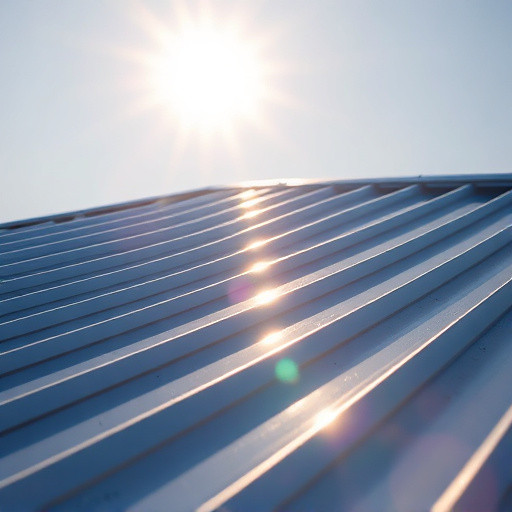
In the arid climate of standing seam, the challenge for homeowners is clear: protect structures from intense desert sun, sweltering heat, and sudden monsoon storms. Traditional roofing materials often fall short, leading to common problems like heat absorption, rapid deterioration, and poor water management. This is where metal roofing shines. Metal roofs, with their durable standing seam design, offer unparalleled resistance to the harsh conditions of the Oro Valley environment. They reflect heat, minimize noise from heavy rainfall, and provide superior protection against leaks at metal panel laps-all while enhancing the home's curb appeal. This article explores how metal roofing stands up to the unique demands of this region, providing expert insights into its installation, benefits, and maintenance, so homeowners can make informed decisions.
- Metal Roofs: Reflecting Desert Heat
- Storm Protection: Monsoon-Ready Metal
- Reducing Metal Roof Noise in Rain
- Long-Term Benefits: Metal vs. Desert Climate
Metal Roofs: Reflecting Desert Heat
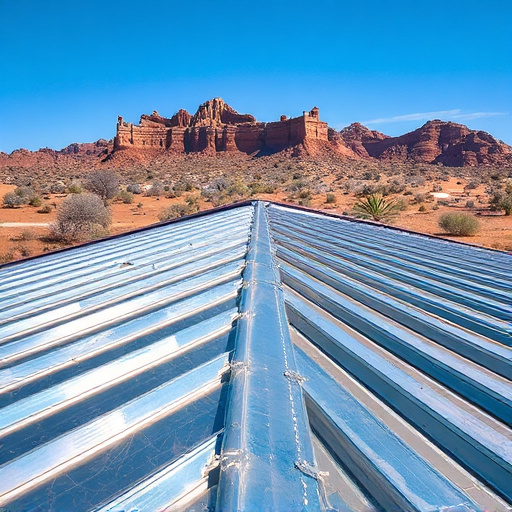
In the harsh desert climate of Oro Valley, where intense sun and high temperatures are the norm, choosing the right roofing material can significantly impact your home's comfort and energy efficiency. Metal roofing, with its ability to reflect heat, offers a superior solution for these challenging conditions. The reflective surface of metal roofs acts like a shield, bouncing solar radiation away from the building, which translates to reduced heat transfer and lower interior temperatures during the sweltering summer months.
One of the most efficient ways to handle desert heat is through the use of Kynar 500 coated panels, a popular choice for standing seam metal roofing. This advanced coating, known for its exceptional heat reflection properties, ensures that your home stays cool without breaking the bank. The design of a metal roof in the Catalina Foothills area often incorporates concealed clips, which not only offer a sleek, seamless look but also enhance the roof's performance. These clips securely fasten the panels, preventing heat absorption and promoting better air circulation beneath the roof, further contributing to a cooler indoor environment.
While metal roofing excels at reflecting heat, it's also crucial to address the concern of metal roof noise in rain, a valid consideration in any climate. Proper installation, including the use of appropriate fastening methods and underlayment, can effectively seal out noise and water, making metal roofs a viable option for any home, even in areas prone to monsoon storms.
To maintain the longevity and optimal performance of your metal roof, regular maintenance is key. A local roofing company serving Oro Valley can guide you through this process, offering expert advice tailored to your specific roof's design and local weather conditions. Remember, a well-maintained metal roof can provide decades of reliable protection against the harsh desert elements, making it a smart investment for any Oro Valley homeowner.
Storm Protection: Monsoon-Ready Metal
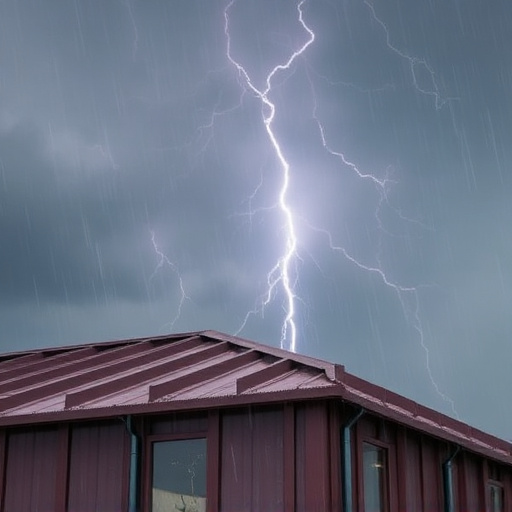
Metal roofing offers superior storm protection, a critical consideration for homeowners in Oro Valley's desert environment where monsoon storms can be intense. For handling the unique challenges posed by these storms, metal roofs, especially the standing seam design with concealed clips, stand out for their durability and performance.
The first line of defense against monsoon storms is the roof's ability to resist high winds and intense precipitation. Metal roofs, known for their strength and rigid structure, easily meet these criteria. The standing seam design, with its interlocking panels, provides exceptional wind resistance. This feature is especially important in Oro Valley, where powerful winds during monsoon season can reach significant speeds. The concealed clip fastening system secures the panels tightly, preventing wind-borne debris from finding purchase points and causing damage.
Another critical aspect of storm protection is the roof's ability to manage the intense heat and sudden downpours characteristic of desert monsoon weather. Metal, including Kynar-coated panels, excels in reflecting heat, which helps keep the home cooler and reduces the strain on air conditioning systems. This property is crucial for maintaining energy efficiency, a key selling point for many homeowners. Metal roofs are less prone to leaks at the laps of panels, a common issue with other roofing materials during heavy rain. The seamless nature of standing seam roofs and the use of high-quality metal ensure that water cannot penetrate, minimizing the risk of interior damage.
For noise, metal roofs have a reputation for being quieter than traditional materials, particularly during heavy rainfall. While some homeowners may worry about the sound of rain on a metal roof, the actual experience is often quite the opposite. The concealed clips and smooth surface of a standing seam metal roof create a harmonious, minimal sound, with less resonance than other roofing types. An experienced Oro Valley roof specialist can provide guidance on the best options for your home, ensuring not only superior storm protection but also a peaceful indoor environment during dramatic weather events.
Reducing Metal Roof Noise in Rain
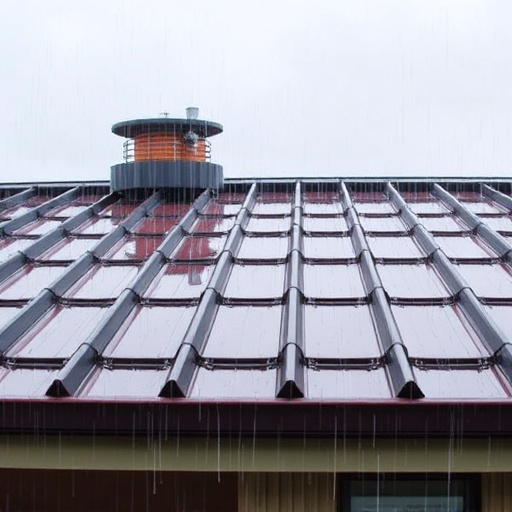
Metal roofing, particularly the standing seam variety, offers a robust solution for homes in the Catalina Foothills facing the unique challenges of desert sun, intense heat, and the erratic monsoon winds. For addressing a concern that often goes unnoticed-the noise metal roofs can produce during rainfall-a roofer with an Arizona ROC license provides valuable insights.
One of the most significant advantages of metal roofing over traditional materials is its ability to dampen sound, significantly reducing metal roof noise in rain. This is primarily due to the panel gauge-the thickness of the metal used-and the way it absorbs and disperses vibrations. Thicker panels, like Kynar coated ones, offer better sound insulation. In the context of monsoon storms, where winds can reach notable speeds, this dampening effect is crucial. The strong winds can cause traditional roofing materials to creak and groan, but metal roofs, with their superior strength and flexibility, are less prone to produce these noise issues.
The installation process also matters in minimizing metal roof noise in rain. Professional installers, familiar with the local environment, can ensure proper flashing details and secure fastening, preventing loose screws that might rattle. The use of hidden fasteners, a common practice with standing seam roofs, further enhances noise reduction. During heavy rainfall, these measures combine to create a peaceful indoor environment, contrasting the storm's external fury. For homeowners in Oro Valley, understanding these factors can provide peace of mind, knowing their metal roof not only protects against the elements but also contributes to a quieter, more comfortable living space.
Long-Term Benefits: Metal vs. Desert Climate
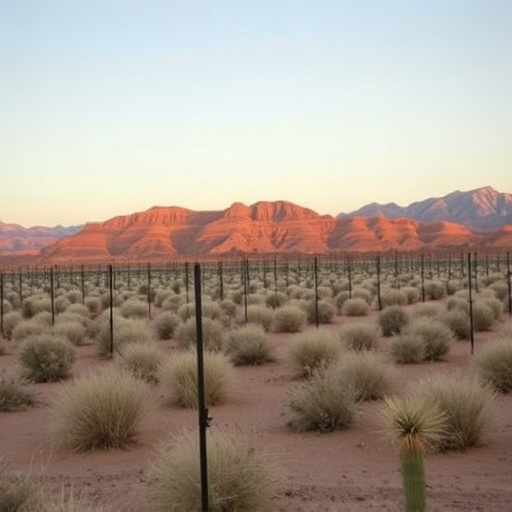
In desert climates like Oro Valley, where intense sunlight and fluctuating temperatures are the norm, choosing the right roofing material can significantly impact a home's longevity and comfort. Metal roofing offers unique advantages for this environment, providing long-term benefits that are especially valuable for homeowners navigating the region's specific challenges.
One of the most significant benefits of metal roofing in a desert environment is its ability to reflect heat. Unlike traditional roofing materials, metal roofs reflect a substantial portion of the sun's radiant heat, preventing the transfer of that heat into the home. This property is crucial in reducing interior temperatures, minimizing the burden on air conditioning systems, and ultimately saving on energy costs.
Metal roofing's durability is a significant factor in its longevity. The extreme temperatures and occasional harsh storms in the desert can take a toll on other roofing materials, leading to leaks and damage. Metal roofs, however, are designed to withstand these conditions. They are resistant to cracking, peeling, and warping, and their fastening systems-whether exposed or hidden-are secured to ensure stability during extreme weather. In fact, a local roofing company serving Oro Valley has reported that metal roofs installed in the region have shown minimal signs of wear after 20 years, making them a wise investment for homeowners.
While metal roofing offers numerous advantages, it's essential to consider the "metal roof noise in rain" phenomenon, a common concern in desert environments. The sound of rain hitting metal panels can be more pronounced than with other roofing materials. However, this issue can be addressed through proper installation and the use of Kynar-coated panels, which offer superior soundproofing properties. The thermal expansion and contraction of metal due to changing temperatures are minimal compared to other materials, reducing the risk of damage from these natural processes. When choosing a metal roof, homeowners should consult with their local building department and Homeowners Associations (HOAs) regarding architectural reviews, ensuring their selection complies with local regulations and neighborhood standards.
Frequently Asked Questions About an Explainer on How Metal Roofing Handles Desert Sun, Heat, and Monsoon Storms
What are the key benefits of metal roofing in a desert climate?
Metal roofing offers several advantages in hot, arid environments. Its reflective surface minimizes heat absorption, reducing interior temperatures and lowering cooling costs. The durable material resists rust and corrosion from high temperatures and varying humidity levels. Metal roofing is fire-resistant, providing enhanced safety for desert homes. Its longevity and low maintenance requirements make it a smart investment for challenging climates.
How does metal roofing handle intense desert sunlight?
The reflective properties of metal roofing are its most significant asset against intense desert sunlight. The reflective surface bounces sunlight away, reducing the amount of heat that enters homes. This effect can lead to substantial energy savings during the hot summer months. Darker colored roofs absorb sunlight, making traditional roofing materials more susceptible to heat gain, but metal roofing counters this effect.
Can metal roofing withstand monsoon storms?
Absolutely. Metal roofing is renowned for its strength and durability, making it well-suited to withstand the powerful storms that occur during monsoon seasons. Its rigid structure and high wind resistance ensure it can resist strong winds and heavy rainfall. Metal roofing is less prone to damage from hail and other storm debris compared to other materials.
Is metal roofing susceptible to heat expansion and contraction?
Metal roofing excels in managing extreme temperature fluctuations. Unlike some materials that may crack or warp, metal expands and contracts with temperature changes. This property ensures that metal roofing remains intact and secure during the day's heat and the cool nights that follow, preventing issues related to thermal movement.
How does metal roofing impact a home's energy efficiency in desert conditions?
Metal roofing contributes to improved energy efficiency in desert homes. By reflecting sunlight, it reduces the need for air conditioning, leading to lower energy bills. The reflective surface also helps maintain a cooler interior, minimizing the need for excessive cooling. This energy efficiency makes metal roofing an environmentally friendly choice for desert dwellers.
What are the maintenance requirements for metal roofing?
Metal roofing requires minimal maintenance, which is a significant advantage. Regular cleaning to remove dirt and debris is recommended, especially after monsoon storms. Occasional inspections for loose or damaged panels are essential. Because metal roofing is resistant to rot and pests, it offers long-term durability with minimal upkeep.
Are there any local building codes to consider for metal roofing installations?
Building codes vary by location, but metal roofing is generally approved for use in desert regions due to its durability and fire resistance. It's always best to check with local building departments or consult with a licensed contractor familiar with the area's codes to ensure compliance.
Metal roofing offers a robust solution for the unique challenges posed by the desert climate. By reflecting heat and providing superior storm protection, these roofs contribute to energy efficiency and reduced maintenance costs over time. Understanding and mitigating metal roof noise in rain is crucial for a peaceful living environment. The article has highlighted the longevity and durability of metal against desert sun, heat, and monsoon storms, making it a smart investment for homeowners. Next steps include consulting with a licensed local contractor, like Eddies Garage Door Service, to assess your specific needs and choose the right metal roofing system. This expert guidance, coupled with the insights from the Oro Valley Building Department and local Homeowners Associations (HOAs), ensures a successful installation and long-term enjoyment of the benefits that metal roofing brings to your desert home.
Summary:
In the harsh Oro Valley climate, metal roofing offers superior protection against desert heat, intense storms, and noise. Kynar 500 coated panels reflect heat, reducing indoor temperatures and energy costs. Standing seam metal roofs with concealed clips enhance performance and air circulation. Regular maintenance, guided by local experts like DC Roofing, ensures longevity. Metal roofs resist high winds, intense rain, and temperature fluctuations, making them a smart investment for Oro Valley homeowners. Proper installation addresses metal roof noise in rain concerns, providing a peaceful indoor environment during dramatic weather events.