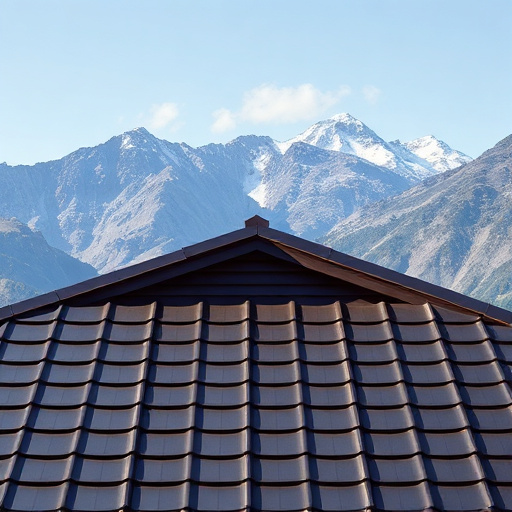
In the arid landscape of standing seam, where desert winds howl and sun beats down, modern homes demand roofing solutions that stand up to the elements. Metal roofs, with their sleek aesthetics and durability, have emerged as a popular choice for desert, ranch, and barn-style abodes. However, selecting the right type, understanding installation nuances, and addressing maintenance concerns can be overwhelming. This guide cuts through the clutter, focusing on standing seam metal roofs-exploring their benefits, practical considerations, and the crucial distinction between exposed and hidden fasteners. We'll navigate the installation process, financial aspects, safety considerations, and more, empowering homeowners to make informed decisions.
- Choosing Metal Roofs for Desert, Ranch, and Barn Styles
- Fastener Options: Exposed vs. Hidden for Durability
- Installation Steps for Optimal Performance and Aesthetics
- Maintenance and Longevity: Caring for Your Metal Roof
Choosing Metal Roofs for Desert, Ranch, and Barn Styles
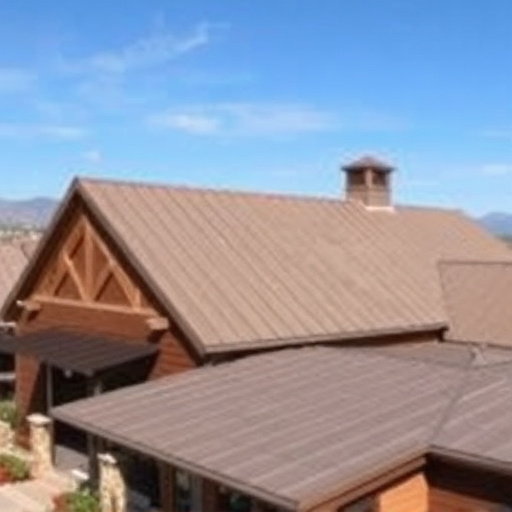
When selecting a roof for a desert, ranch, or barn-style home in Oro Valley, standing seam metal roofs offer an attractive and durable option. Their versatility allows them to complement a variety of architectural styles, from modern homes with tile roofs to traditional barn structures. A key consideration, especially in our monsoon-prone climate, is the impact of wind and solar heat.
Metal roofs, when installed correctly, can provide superior wind resistance. The rigid panels and strong fastening systems, whether exposed or hidden, ensure that your roof can withstand strong winds. In Oro Valley, where monsoon winds can be a significant factor, a licensed Arizona roofer recommends considering exposed fasteners for added security. While some homeowners prefer the clean look of hidden fasteners, exposed ones can offer better structural integrity in challenging weather conditions.
Solar reflectance is another crucial factor. The reflective surface of metal roofs can significantly reduce heat absorption, helping to keep your home cooler and improving energy efficiency. This is particularly important in the desert climate, where temperatures can soar. Kynar-coated panels, for instance, offer exceptional solar reflectance, contributing to a more comfortable indoor environment and potentially reducing cooling costs.
Choosing between exposed and hidden fasteners depends on your personal aesthetic and the specific needs of your property. A ranch-style home with a low-slung roofline might benefit from hidden fasteners for a sleek, seamless look, while a barn with more visible structural elements could showcase the durability of exposed fasteners. Working closely with a local roofing contractor who understands the local Building Department and HOA requirements, as well as the unique demands of Oro Valley's climate, will ensure your metal roof installation is both approved and optimized for long-term performance.
Fastener Options: Exposed vs. Hidden for Durability
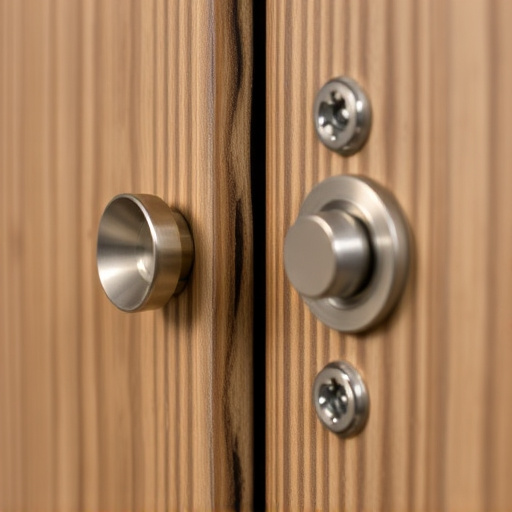
When selecting a fastener option for a metal roof, homeowners often encounter the choice between exposed and hidden fasteners. This decision goes beyond aesthetics, directly impacting the roof's durability and longevity, especially in the challenging desert climate of Oro Valley. An experienced Oro Valley roof specialist recommends considering the environment and structural integrity when making this choice.
Exposed fasteners, like traditional nails or screws, offer a straightforward installation method. They are visible, allowing for easy inspection and maintenance. However, in harsh desert conditions, exposed fasteners may be more susceptible to damage from UV radiation, extreme temperatures, and corrosive elements. Over time, these factors can lead to rust, loose screws, and even structural compromise, requiring costly repairs. A metal roof over a modern, energy-efficient home in Oro Valley must withstand intense sunlight and high winds, making exposed fasteners a less ideal choice.
In contrast, hidden fastener systems, such as concealed clips and neoprene washers, provide a more concealed and, often, longer-lasting solution. These systems attach the metal panels to the roof deck without exposing the fasteners. Neoprene washers, in particular, offer excellent sealing properties, preventing water intrusion and minimizing the risk of leaks. While the initial installation cost may be slightly higher, the reduced maintenance and improved longevity make hidden fasteners a worthwhile investment for desert-style homes. The Oro Valley Building Department often encourages the use of these methods to ensure the integrity of local structures against the area's specific challenges.
A key consideration when choosing between exposed and hidden fasteners is the roof's PVDF (polyvinylidene fluoride) coating. PVDF is a popular choice for metal roofing due to its exceptional color retention and resistance to fading, chipping, and peeling. When selecting a fastener, ensure they are compatible with the PVDF coating to prevent any damage or discoloration. An experienced Oro Valley roof specialist can provide guidance on the best fastener options for any metal roofing system, taking into account the specific style, local regulations, and environmental factors.
Installation Steps for Optimal Performance and Aesthetics
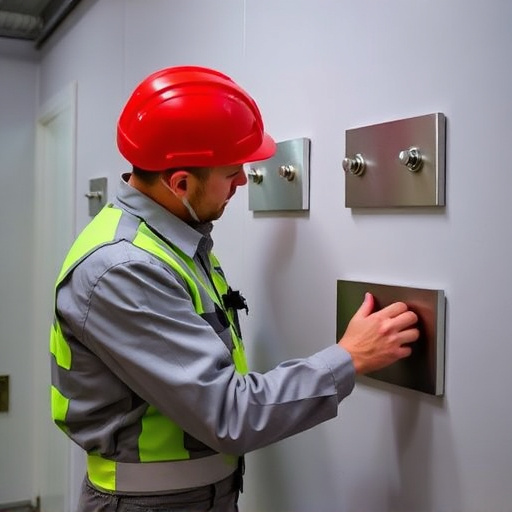
Installing a metal roof on a modern desert, ranch, or barn-style home requires careful consideration of both function and aesthetics. For optimal performance and visual appeal, choosing the right fastening method is crucial. Exposed fasteners, traditionally used for their durability, can provide a rugged, rustic look. However, hidden fasteners are increasingly popular for their sleek appearance and reduced maintenance needs. A licensed Oro Valley area roofing contractor recommends evaluating your home's design, climate, and personal aesthetic preferences when selecting between exposed and hidden fasteners.
The installation process begins with preparing the roof deck. This involves ensuring the deck is clean, dry, and free of debris. For stone coated steel panels, which are known for their excellent corrosion resistance and durability, proper ventilation is also essential. The next step is to install the underlayment, a protective layer that shields the roof deck from moisture and adds another layer of insulation. When using R-panel systems, which are lightweight and offer high strength-to-weight ratios, a licensed roofing contractor will secure them to the underlayment using either exposed or hidden fasteners, depending on the chosen design.
For exposed fasteners, the contractor will drill pilot holes and then insert the screws, ensuring they are properly bedded into the roof deck. Hidden fastening methods, on the other hand, involve sealing the panels directly to the underlayment with no visible screws. This not only provides a cleaner look but also protects against rust and loosening over time. When selecting the panel gauge-the thickness of the metal-a contractor can help balance cost, weight, and durability. Thicker panels like Kynar-coated ones offer superior protection but may be more expensive.
Throughout the installation, attention to detail is paramount. Ensuring proper overlap and sealing at the joints is critical to prevent leaks. For homes in areas prone to extreme weather, like hail or lightning, a contractor should advise on appropriate underlayment and flashing details to enhance the roof's durability. Regular maintenance, including inspecting for loose screws and checking for signs of rust, is also essential for long-term performance.
Maintenance and Longevity: Caring for Your Metal Roof
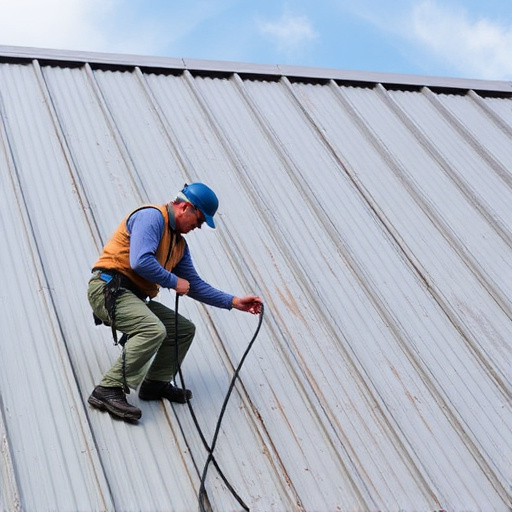
Caring for your metal roof is crucial, especially in the unique climate of Oro Valley. Standing seam metal roofs, with their durable construction, require a thoughtful maintenance regimen to ensure longevity and preserve the investment. One key aspect to consider is the fastener type: exposed versus hidden. While traditional exposed fasteners offer direct access for repairs, they can be more susceptible to damage from extreme heat, cold, and weathering. Modern concealed clips, however, provide a sleek, seamless look while still allowing for easy removal and replacement when needed.
A licensed Oro Valley area roofing contractor recommends regular visual inspections, at least twice a year, to identify any signs of damage, corrosion, or loose panels. Early detection is crucial, as small issues can escalate into costly repairs. During these checks, look for signs of rust, particularly around fasteners and the roof's edges, as well as any signs of leaks or water damage. For areas prone to heavy hail, consider a more frequent inspection schedule.
Proper maintenance also involves keeping your metal roof clean. While a gentle wash with water and a soft brush can remove dust and debris, be mindful of using aggressive cleaners or high-pressure washers, as these can strip the roof's protective coating. DC Roofing of Arizona, a local expert in the field, suggests using a Kynar 500 coated panel, known for its superior resistance to fading, chipping, and impact damage. This type of coating, with its 50-year warranty, offers a long-lasting defense against the harsh desert elements.
Remember the importance of the underlayment and flashing. These components act as a secondary barrier against moisture intrusion. Ensure they are in good condition and properly sealed to prevent leaks and water damage, a common cause of metal roof failures. Regular maintenance, combined with the right fastener type and quality materials, will ensure your metal roof serves as a reliable and beautiful protection for your Oro Valley home for many years to come.
Frequently Asked Questions About a guide to metal roofs on modern desert, ranch and barn style homes
What are the key benefits of a metal roof for desert, ranch, and barn-style homes?
Metal roofs offer a range of advantages for these styles. Their durability is exceptional, withstanding extreme weather conditions common in desert regions. They're also fire-resistant, a significant benefit in rural, barn-style settings. Metal roofs have a long lifespan, requiring minimal maintenance, which is cost-effective for homeowners. The modern aesthetic of metal roofing complements the clean lines of ranch and barn homes, providing a sleek, contemporary look.
Are metal roofs suitable for all desert environments?
While metal roofs are highly durable, their suitability depends on local conditions. The type of metal, installation quality, and underlayment play crucial roles. Aluminum is lightweight and cost-effective but may not withstand extreme heat. Stainless steel or galvanized steel are more resilient in harsh conditions. A licensed roofer should assess the specific location and environment to ensure the chosen metal roof is optimal.
How do metal roofs compare to traditional roofing materials in cost?
Metal roofs can be more expensive upfront than traditional materials like shingles. However, their longevity significantly reduces long-term costs. They often come with warranties of 25-50 years, and their low maintenance requirements can save on repair expenses. When considering the entire lifecycle, metal roofing often provides better value, especially for desert homes where material replacement is less frequent.
Can metal roofs be installed on historic ranch or barn buildings?
Absolutely. Metal roofing can be installed over existing roofs or as a replacement, preserving the historical character of these structures. Skilled contractors can work with the unique shapes and styles common in ranch and barn architecture. The key is to choose a finish and color that complement the building's age and design, ensuring a harmonious blend with the existing structure.
Are there specific maintenance requirements for metal roofs?
Metal roofs require minimal maintenance, primarily consisting of periodic inspections and cleaning. They don't need to be replaced as often as other materials, and their resistance to rot and pests is an advantage. Despite their durability, metal roofs can be susceptible to damage from falling debris, so keeping the area around the roof clear is essential. A professional inspection every few years ensures any potential issues are identified early.
When considering a metal roof for your desert, ranch, or barn-style home in Oro Valley, understanding the interplay of style, functionality, and maintenance is key. By choosing the right fastener option-whether exposed or hidden-you can ensure a durable, aesthetically pleasing finish that stands the test of time. This guide has highlighted the importance of exposed versus hidden fasteners for both strength and visual appeal.
The installation process, as discussed, demands attention to detail and adherence to best practices for optimal performance. Regular maintenance, including checks for loose screws and signs of rust, is crucial for extending the lifespan of your metal roof. Remember, the right installer, equipped with knowledge from organizations like the National Roofing Contractors Association (NRCA), is vital to success.
A metal roof offers a long-lasting, energy-efficient, and visually striking option for modern homes in the Oro Valley landscape. By embracing the unique benefits of standing seam metal roofing, homeowners can protect their investments while enhancing the curb appeal and resilience of their properties, especially during extreme weather events like wildfires and hailstorms.
Standing seam metal roofs are a versatile, durable choice for desert, ranch, or barn-style homes in Oro Valley. When selecting fasteners, consider:
- Exposed Fasteners: Direct access for repairs but susceptible to UV damage, extreme temps, and corrosion. Suitable for lower-risk areas.
- Hidden Fasteners: Sleek, long-lasting solution, but slightly higher upfront cost. Recommended for challenging desert conditions, offering better structural integrity.
Key factors:
- Wind Resistance: Both types can withstand strong winds when installed correctly, but exposed fasteners may offer added security.
- Solar Reflectance: Kynar-coated panels provide exceptional solar reflectance, reducing heat absorption and improving energy efficiency.
Installation and maintenance:
- Installation: Follow local Building Department guidelines and consult with a licensed roofer.
- Regular Inspections: At least twice yearly to check for damage, corrosion, and leaks.
- Cleaning: Use gentle water and soft brush; avoid aggressive cleaners.
- Quality Materials: Choose Kynar 500 coated panels for superior fade, chip, and impact resistance.
- Underlayment and Flashing: Maintain proper sealing for leak prevention.