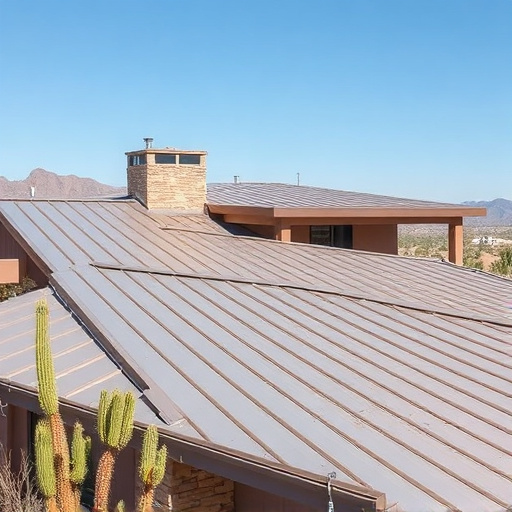
Metal roofs, especially the standing seam variety, offer superior durability and energy efficiency, making them a popular choice for homeowners in Oro Valley. However, their longevity-a key consideration-depends on regular upkeep and meticulous inspections. This checklist guides you through the essential steps to ensure your metal roof remains in top condition, extending its already impressive lifespan. We'll cover everything from identifying potential issues like rust and leaks to understanding the best practices for painting and maintaining your roof's protective coating, such as Kynar-coated panels. By following these recommendations, you'll contribute to a robust, safe, and aesthetically pleasing home environment.
- Regular Inspection: Key to Metal Roof Lifespan
- Prevention: Maintaining a Long-Lasting Metal Roof
- Common Issues: Spotting Problems Early
- Maintenance Tips: Prolonging Metal Roof Lifespan
Regular Inspection: Key to Metal Roof Lifespan
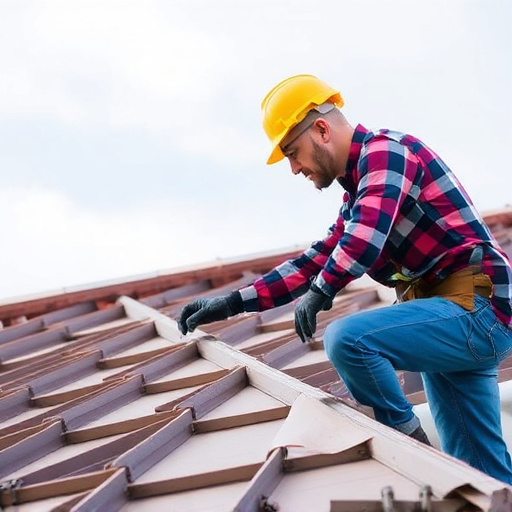
Regular inspections are crucial to maximizing the lifespan of your metal roof, especially in the arid climate of Oro Valley. A licensed Oro Valley area roofing contractor recommends scheduling thorough examinations at least twice annually, focusing on identifying potential issues early. During these inspections, a trained eye should assess the overall condition of the roof, checking for signs of wear and tear, such as damaged or missing panels, loose fasteners, and rust. These problems, if left unaddressed, can lead to leaks, reduced structural integrity, and, ultimately, a shorter metal roof lifespan.
One of the key aspects to scrutinize is the condition of the fasteners. Exposed fasteners, like those used in standing seam metal roofs, are particularly vulnerable to environmental factors. Inspectors should look for signs of corrosion, especially in areas with high moisture or salt content in the air. Galvalume, a popular coating for steel, offers excellent resistance to corrosion, but even it requires periodic reapplication to maintain its effectiveness. The contractor may also suggest checking the integrity of the roof's underlayment, as weak or damaged underlayment can compromise the entire system.
Another important factor is regular cleaning. Metal roofs can accumulate dust, dirt, and debris, reducing their reflectivity and efficiency in heat reflection. This can impact not only the metal roof lifespan but also the energy efficiency of your home. A licensed roofing contractor in Oro Valley may recommend a specific cleaning regimen, considering factors like the local environment and the type of metal used, such as Kynar 500, known for its superior durability and color retention. Regular maintenance, including cleaning and re-sealing, can extend the life of your metal roof, ensuring it continues to protect your home effectively.
Prevention: Maintaining a Long-Lasting Metal Roof
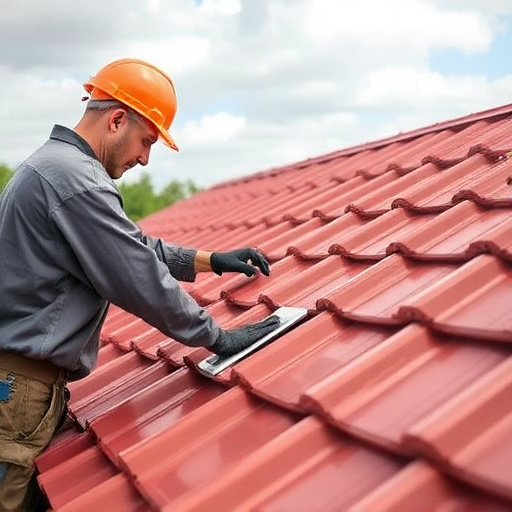
Preventing issues and prolonging the lifespan of your metal roof is crucial for any homeowner in Oro Valley. Regular upkeep and inspections are key to ensuring its durability, especially in our region's unique climate conditions. A well-maintained metal roof can last for decades, providing both aesthetic appeal and reliable protection for your home.
One of the most important aspects to monitor is the condition of the roof's finish. Metal roofs, particularly those coated with Kynar 500, are known for their durability against corrosion. However, over time, the finish can show signs of wear and tear, especially in areas with high UV exposure. Regularly inspecting the surface for any signs of chipping, peeling, or discoloration is vital. If you notice any damage, a local roofing company serving Oro Valley recommends addressing it promptly to prevent further deterioration. A stone coated steel panel with a damaged finish may be more susceptible to rust and water penetration, leading to more serious structural issues down the line.
Proper ventilation is another critical element for maintaining your metal roof's lifespan. Adequate ridge ventilation helps regulate the roof's temperature, reducing the risk of thermal expansion and contraction that can cause stress on the system. Ensure there is at least 1 foot of ventilation per 100 square feet of roof area to promote air flow. To ridge vents, consider installing exhaust vents in your attic to aid in temperature control and moisture removal, especially in our desert climate. This simple step can significantly extend the life of your roof by preventing excessive heat build-up and potential damage from excess moisture.
Finally, stay vigilant for signs of leaks at metal panel laps or around flashings. Over time, these areas can become weak points, allowing water to penetrate and cause damage to the underlayment. Regular inspections, especially after severe storms or high winds, can help catch these issues early. If you do find any leaks, it's best to consult with a roofing contractor familiar with the local Building Department's regulations and HOA approval process for metal roofs in Oro Valley. Prompt repair of these leaks will ensure your metal roof remains a smart, long-lasting investment for your home.
Common Issues: Spotting Problems Early

Common Issues: Early Detection for Prolonged Metal Roof Lifespan
Metal roofs, when installed and maintained properly, offer a durable and aesthetically pleasing option for homeowners in Oro Valley. However, like any structure, they are not immune to issues that can impact their performance and longevity. Regular inspections and prompt addressing of problems are key to maximizing the metal roof lifespan, which can last for several decades with the right care. This checklist focuses on common metal roofing concerns that homeowners should be aware of, especially when living in a region prone to extreme weather like Oro Valley.
One of the first things to inspect is the overall condition of the roof. Look for signs of rust, especially around fasteners and flashing. Rust can weaken the structure and create entry points for water, leading to potential leaks. A licensed Arizona ROC contractor can provide guidance on rust prevention, such as using rust-resistant fasteners and Kynar-coated panels, which offer superior resistance to corrosion. Check for loose screws or panels that may have come loose during storms or high winds. Standing seam metal roofs, with their hidden fastener design, are often less prone to this issue, but it's still crucial to inspect regularly, especially after severe weather events.
Another critical aspect is the integrity of the flashing, which seals the edges of the metal panels. Over time, flashing can become damaged or detached, allowing water to penetrate the roof. This can result in leaks and, ultimately, structural damage. Homeowners should look for signs of color fading on the metal, which could indicate thermal expansion or damage from UV exposure. Proper maintenance, including re-sealing and repainting as needed, can enhance the metal roof heat reflection and extend its lifespan. Be mindful of the roof's performance during storms. Metal roofs can be noisy, a natural characteristic that some homeowners may find distracting. However, excessive noise could also point to issues like loose panels or flashing.
Finally, consult with your local Homeowners Association (HOA) regarding architectural guidelines for metal roofing. Many HOAs in Oro Valley have specific requirements for metal roof installation, especially for historic or traditional neighborhoods. Obtaining approval beforehand can prevent costly retrofitting or replacement later. Regular inspections, along with prompt repairs and maintenance, will ensure that your metal roof remains in top condition, contributing to a safe and aesthetically pleasing home environment for years to come.
Maintenance Tips: Prolonging Metal Roof Lifespan
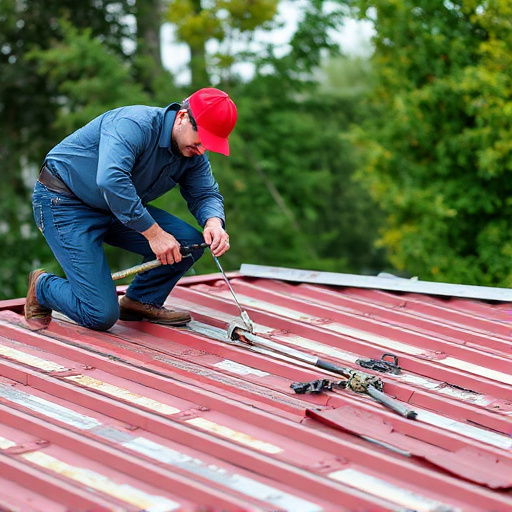
Maintaining a metal roof in the rugged, sunny climate of the Catalina Foothills requires a thoughtful and proactive approach. As a homeowner, understanding the unique challenges and the best practices for upkeep can significantly extend the lifespan of your standing seam metal roof. This section provides expert guidance on maintenance tips designed to keep your roof in top condition, ensuring its durability and long-term performance, especially against potential hazards like lightning.
One of the key aspects of metal roof maintenance is regular inspection. At least twice a year, walk the roof (if safe and feasible) or hire a licensed Oro Valley area roofing contractor to perform a thorough check. Look for signs of wear, such as loose or missing screws, rust, and panel dents. These issues, if left unattended, could lead to leaks, weakened structural integrity, and even more costly repairs. Rust on fastening hardware is a common problem in our area due to the corrosive environment. Regular cleaning and sealing can prevent this.
Addressing issues promptly is crucial. If you notice a leak at a metal panel lap, don't wait for it to worsen. Repairs should be made as soon as possible to prevent water damage and ensure the integrity of the entire roof system. The same goes for loose screws; securing them promptly prevents the panels from shifting, which can lead to misalignment and even more significant problems. Remember, a metal roof's lifespan is not just measured in years, but in decades, with proper care. This longevity is especially important for homes in the Foothills, where extreme weather, including powerful storms and lightning, is not uncommon.
To regular inspections, consider the unique characteristics of your metal roof. Kynar-coated panels offer superior resistance to UV rays and heat reflection, which can help reduce energy costs. Regular cleaning, especially to remove airborne contaminants and dust from nearby construction sites, can preserve the finish. Understanding the panel gauge (thickness) is essential when considering repairs or replacements. A licensed contractor can guide you in choosing the right materials, ensuring they meet the specific requirements of your standing seam metal roof.
Frequently Asked Questions About a Homeowner Checklist for Metal Roof Upkeep and Inspections
What is the recommended frequency for metal roof inspections?
Regular inspections are crucial to preserving the longevity of your metal roof. DC Roofing of Arizona, a local Oro Valley roofer, recommends inspecting it at least twice a year, ideally in the spring and fall. This allows for the identification and repair of any issues early on, preventing them from escalating. Look for signs of corrosion, loose or damaged panels, and any changes in the roof's performance, such as leaks or increased noise.
How can I tell if my metal roof needs repairs?
Corrosion, rust, and loose or missing panels are clear signs that your metal roof may require repairs. Also, keep an eye out for dents, creases, or holes, which can compromise the integrity of the roof and lead to water damage. If you notice any of these issues or experience leaks, contact a licensed roofer like DC Roofing to assess and fix the problem promptly.
What tools do I need for a basic metal roof inspection?
For a basic inspection, you'll need a good pair of safety goggles and a sturdy ladder to access the roof safely. A flashlight can also be useful for examining hard-to-reach areas or at night. While a visual inspection is often sufficient, you may want to invest in a simple inspection kit that includes a moisture meter to check for signs of water intrusion or mold growth.
When should I replace my metal roof?
The lifespan of a metal roof varies depending on the type of metal and installation quality, but on average, it lasts 25 to 30 years. If your roof is reaching the end of its expected lifespan or is showing signs of significant damage, it's likely time for a replacement. A licensed roofer can assess your specific situation and recommend the best course of action.
Are there specific maintenance tips I should follow for my metal roof?
Absolutely! Cleaning your metal roof regularly with a soft brush or sponge to remove debris and algae buildup is essential. Ensure proper drainage by checking and cleaning gutters and downspouts. Repaint or re-coat the roof as needed, following the manufacturer's guidelines, to maintain its protective barrier against the elements.
Regular inspections and proactive maintenance are key to maximizing the lifespan of a metal roof in standing seam construction. By identifying and addressing common issues early, homeowners can prevent major problems and costly repairs. This article has highlighted the importance of checking for loose screws, signs of rust, and potential leaks at metal panel laps, all of which can impact the overall integrity of the roof.
Understanding the common challenges associated with metal roofs, such as noise during rainfall and thermal expansion, equips homeowners with valuable knowledge. The article has underscored the significance of proper installation, including the use of hidden fasteners, which contribute to the roof's longevity.
A well-maintained metal roof can last for several decades, providing a strong and durable protection for homes. Homeowners should also consider the environmental impact of their roofing choices; Kynar-coated panels, for example, offer superior heat reflection, contributing to energy efficiency.
To ensure a metal roof's optimal performance and longevity, homeowners should follow these key practices: regular cleaning and re-sealing, careful monitoring of metal accents and flashing, and timely replacement of underlayment. Seeking professional guidance from licensed contractors, familiar with local building codes and homeowner association (HOA) regulations, is crucial during the installation or replacement process.
By adopting these recommendations, homeowners can extend the lifespan of their metal roofs, enhance their home's value, and contribute to a more sustainable and fire-resistant environment, especially in areas prone to wildfires and severe weather conditions.
Regular Metal Roof Inspections and Maintenance for Extended Lifespan in Oro Valley
- Annual Inspections: Schedule twice-yearly thorough examinations to identify potential issues early.
- Fastener Check: Inspect exposed fasteners for corrosion, especially in areas with high moisture or salt content. Reapply Galvalume coating as needed.
- Underlayment Integrity: Verify the condition of the roof's underlayment, as weak or damaged underlayment can compromise the system.
- Regular Cleaning: Remove dust, dirt, and debris to maintain reflectivity and energy efficiency.
- Maintenance Routine: Include cleaning and re-sealing to extend the metal roof lifespan and ensure effective protection.
- Common Issues: Regularly inspect for rust, loose screws, and flashing damage to prevent leaks and structural issues.
- Prompt Repairs: Address leaks, loose panels, and other issues immediately to avoid long-term damage.
- Local Regulations: Check HOA guidelines and Building Department rules for metal roof installation and maintenance.