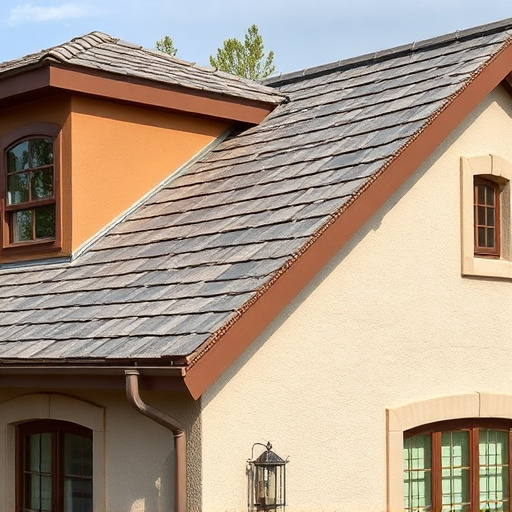
In the rugged beauty of Oro Valley's foothills, a growing number of homeowners are considering metal roofs, drawn by their durability and modern aesthetics. However, navigating the options, understanding maintenance requirements, and securing approval from local Homeowners Associations (HOAs) can be a challenge. This article provides expert advice on choosing the right metal roof colors and coatings while addressing the unique considerations of living in a desert climate, including the heightened risk of lightning strikes. We'll explore the best practices for installing and maintaining metal roofs, ensuring they not only withstand the elements but also conform to HOA regulations. By the end, you'll have a comprehensive understanding of how to bring a durable, stylish, and safe metal roof to your Oro Valley home.
- Choosing Metal Roof Colors: A Foothills Guide
- Coatings for Durability: Protecting Your Metal Roof
- HOA Approval Process: Navigating Foothills Regulations
- Lightning Safety: Metal Roofs and Stormy Weather
Choosing Metal Roof Colors: A Foothills Guide
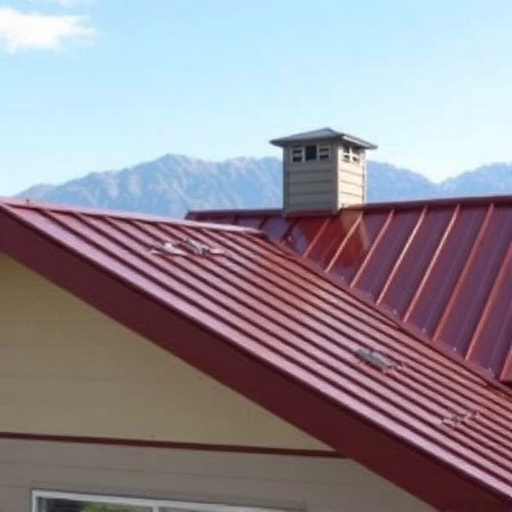
When choosing a metal roof color for your Oro Valley home, consider more than just aesthetics-you're also making a strategic decision that can affect your home's safety, energy efficiency, and longevity. In the foothills, where monsoon winds can be fierce and lightning strikes are a seasonal concern, selecting the right hue and coating becomes even more crucial. A local roofing company serving Oro Valley, DC Roofing of Arizona, recommends a thoughtful approach that balances these factors.
Darker colors absorb more heat, which can be beneficial in maintaining a cool interior during the sweltering Arizona summers. However, in areas prone to lightning strikes, like the foothills, this absorption property can be a double-edged sword. Darker metals may become hotter, increasing the risk of a fire starting from a lightning strike. To mitigate this risk, opt for lighter colors that reflect heat, such as silver or white. These colors not only keep your home cooler but also reduce the likelihood of igniting nearby vegetation during dry seasons.
Coatings play a vital role in enhancing the performance and durability of metal roofs. Polyvinylidene Fluoride (PVDF) coatings, known for their exceptional weather resistance and Class A fire rating, offer superior protection against the harsh desert conditions and potential wildfire embers. This high-performance finish not only adds a layer of safety but also prolongs the lifespan of your roof, ensuring it withstands the challenges posed by the foothills' unique climate. By choosing a coated metal roof, you're investing in a durable, low-maintenance solution that can save you from costly repairs and replacements in the long run.
When navigating HOA approval for a metal roof, remember that the foothills' unique landscape and climate are often taken into account. Presenting your case with a well-reasoned argument that incorporates the benefits of a metal roof, such as energy efficiency and fire resistance, can help secure approval. DC Roofing of Arizona suggests consulting with your HOA and local building department to understand specific guidelines and requirements. With the right color, coating, and strategic planning, your metal roof can be a smart, safe, and attractive addition to your Oro Valley home.
Coatings for Durability: Protecting Your Metal Roof
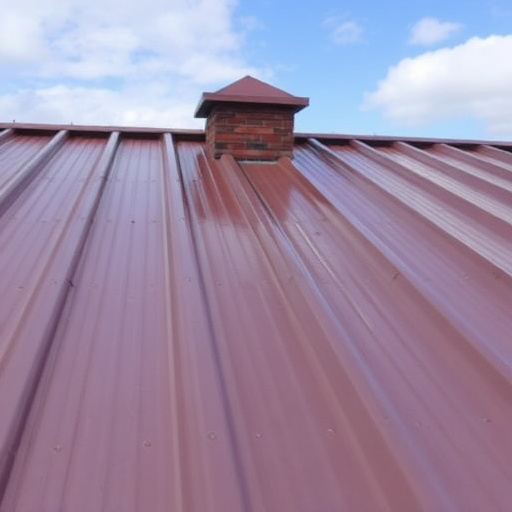
In the rugged beauty of the Catalina Foothills, your choice of roofing material plays a crucial role in protecting your home. When considering a metal roof, one of the most important factors to focus on is durability-a key aspect that goes beyond the initial installation. This is where coatings come into play, offering an extra layer of defense against the elements, including lightning, that are inherent to our region.
Metal roofs, particularly standing seam and stone coated steel panels, are renowned for their longevity. However, to ensure a roof's lifespan aligns with your expectations, it's crucial to understand the role of coatings. These protective layers, often featuring advanced materials like Kynar-coated panels, are designed to resist corrosion, a common enemy of metal structures. The desert's salty air and varying climates, from scorching heat to sudden downpours, can accelerate corrosion if left unaddressed. A quality coating acts as a shield, protecting against rust and ensuring the metal retains its strength and aesthetic appeal over time.
When selecting a coating, consider the unique challenges of our environment. Synthetic underlayment, a popular choice for metal roofs in Oro Valley, offers enhanced protection against lightning strikes, a significant concern in areas prone to electrical storms. This underlayment acts as an additional barrier, diverting lightning energy away from the roof structure. An experienced Oro Valley roof specialist will often recommend this measure due to its effectiveness in mitigating the risk of damage from lightning, a powerful force of nature that can be particularly prevalent in the Foothills.
Regular maintenance, alongside a robust coating, is essential to preserving the integrity of your metal roof. This includes checking for loose screws, ensuring proper flashing details, and inspecting the underlayment. By implementing these practices, you'll not only extend the lifespan of your roof but also protect your investment, ensuring your home remains a haven, even as the desert's elements show their face.
HOA Approval Process: Navigating Foothills Regulations
In the foothills of Southern Arizona, homeowners looking to install a new roof face a unique set of considerations, especially when choosing among the various roofing materials available. One popular option, metal roofs, offer durability and aesthetic appeal, but navigating the approval process with local Homeowners Associations (HOAs) can be a hurdle. Understanding the specific regulations and requirements in Oro Valley, for instance, is crucial to avoid delays or denials.
The approval process for metal roofs in these areas often involves examining the material's fire resistance, impact resistance, and overall aesthetic compatibility with the community. Unlike some materials, metal roofs, especially those with PVDF coatings, have a proven track record against fire and lightning strikes, making them a preferred choice in fire-prone regions. However, HOAs may still require specific details, such as the use of exposed or hidden fasteners and the type of corrugated panels, to ensure the roof meets their standards. A licensed Arizona roofer with experience in the area can provide invaluable guidance on these aspects.
Some HOAs might mandate a minimum gauge for metal panels to withstand the region's environmental conditions, including potential hail events. They may also dictate the use of specific underlayments and flashing details to prevent leaks. While metal roofs are known for their longevity, proper installation and maintenance are essential to ensure their lifespan. This includes regular cleaning to prevent rust, especially in areas with high humidity, and the replacement of any loose or damaged screws. By addressing these details proactively, homeowners can secure HOA approval and enjoy the benefits of a safe, durable, and aesthetically pleasing metal roof.
Lightning Safety: Metal Roofs and Stormy Weather
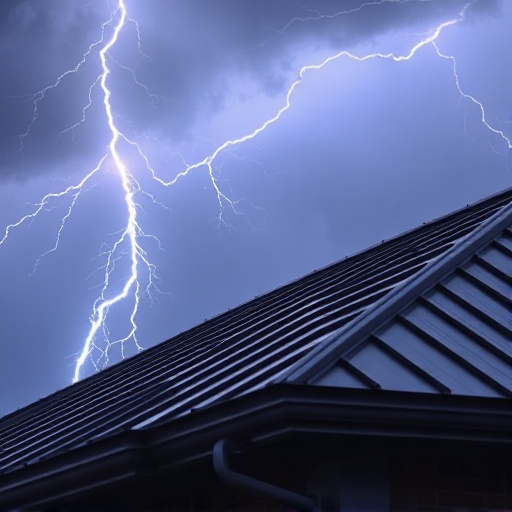
In the foothills of Oro Valley, where storms can be fierce, choosing the right roofing material becomes critical, especially when considering lightning safety. Metal roofs, with their sleek, durable design, are a popular choice among homeowners seeking protection against the elements. When selecting a metal roof, understanding the interplay between the material's properties, local conditions, and building codes is essential.
Lightning safety is a significant concern in areas prone to severe weather. Metal roofs, with their excellent conductivity, can act as a path for lightning to safely discharge, preventing damage to the structure. However, it's crucial to choose the right metal roofing system. Corrugated metal panels, for instance, offer a more robust solution due to their increased strength and flexibility, allowing them to withstand the force of lightning strikes and intense storms. The panel gauge, a measure of thickness, plays a role here; thicker panels provide enhanced durability and impact resistance.
The choice of underlayment is critical. Synthetic underlayments, designed to protect against water intrusion and provide an extra layer of protection, are an excellent option for metal roofs. These underlayments offer superior resistance to tears and punctures, further enhancing the overall safety and longevity of the roof. By combining the right metal roofing system, such as Kynar-coated panels known for their superior durability and reflectivity, with a suitable synthetic underlayment, homeowners can significantly improve their Oro Valley property's resilience against lightning and other severe weather events.
Frequently Asked Questions About advice on metal roof colors, coatings and HOA approval in the foothills
What are the best metal roof colors for my home in the foothills?
Choosing the right color depends on your personal preference, your home's architecture, and the local climate. In the foothills, where homes often blend into natural surroundings, earthy tones like copper, bronze, and weathered steel can enhance the overall aesthetic. Lighter colors like white or light gray reflect sunlight, helping to keep your home cool during hotter months. Consider your roof's orientation-shaded areas may be better suited to darker colors, while sunlit roofs can benefit from lighter shades. Always consult with a local roofing expert who understands the region's unique conditions.
How do I know if my HOA will approve a metal roof?
HOA approval typically involves submitting a proposal that includes detailed information about your chosen metal roofing material, its color, and manufacturer. Many HOAs have specific guidelines or restrictions on exterior aesthetics. Research your HOA's rules and regulations, or seek guidance from the association's board. Provide visual examples and documentation to demonstrate your proposal's compliance. Engaging with your HOA early in the process can streamline the approval and ensure your metal roof meets their standards.
What type of coating should I apply to my metal roof?
Metal roofs can be coated with various finishes to enhance durability and aesthetics. Popular options include:
- Paint: Provides a vibrant, customizable finish but may require more frequent reapplication than other coatings.
- Coatings (e.g., polymer, polyurethane): Offer superior durability, resistance to rust and chipping, and a wide range of colors. They bond directly to the metal, forming a protective barrier.
- Hot-dip galvanizing: This process immerses the metal in a bath of molten zinc, creating a thick, protective layer. It's highly durable and suitable for harsh environments.
Choose a coating based on your budget, desired look, and the roof's exposure to the elements.
How long do metal roofs typically last?
Metal roofs are known for their longevity, with some types lasting 50 years or more with proper care. Factors influencing lifespan include:
- Coating: A quality coating significantly extends the roof's durability.
- Installation: Proper installation techniques are crucial for preventing leaks and ensuring structural integrity.
- Maintenance: Regular cleaning and inspection can prevent damage from debris or corrosion.
- Climate: Exposure to harsh weather conditions can impact the roof's lifespan.
Can I install a metal roof over my existing shingles?
In many cases, yes, but it's crucial to assess the condition of your existing roof structure before proceeding. A qualified roofing contractor will inspect your roof to ensure it can support the additional weight of a metal roof and recommend the best approach for installation. There are two common methods:
- Direct-to-deck installation: This involves attaching metal panels directly to the existing roof deck.
- Reroofing: This method involves removing the old shingles, underlayment, and potentially the sheathing before installing metal panels.
What are the environmental benefits of metal roofs?
Metal roofs offer several eco-friendly advantages:
- Longevity: Their extended lifespan reduces the need for frequent replacement, minimizing waste.
- Recyclability: Metal is a highly recyclable material, so old roofs can be repurposed.
- Energy efficiency: Reflectivity can help lower cooling costs by reducing heat absorption.
- Lower maintenance: Less frequent cleaning and repairs means less water usage and chemical usage.
When selecting a metal roof for your Oro Valley home, understanding color options, the importance of protective coatings, and navigating HOA regulations is crucial. By choosing a color that complements the foothills' natural landscape, you enhance your home's curb appeal. Coatings, such as Kynar-coated panels, offer superior heat reflection and resistance to fading, ensuring your metal roof remains a durable and attractive investment. Familiarizing yourself with the local HOA approval process will streamline the installation process, as many agencies now accept metal roofing, provided it meets certain criteria.
Safety is paramount when considering metal roofs, especially in areas prone to lightning strikes. This durable material provides excellent protection during storms, but it's essential to choose a qualified installer who understands metal roof flashing details and proper underlayment to minimize the risk of leaks. Regular maintenance, including inspecting for loose screws and addressing rust promptly, will further extend the lifespan of your metal roof.
A well-planned and installed standing seam metal roof can offer a modern, low-maintenance, and safe solution for your Oro Valley home, enhancing its value while standing strong against the region's unique environmental conditions, including lightning.
In the Tucson foothills, choosing the right metal roof for your home involves balancing aesthetics, safety, and durability. Lighter colors reflect heat, reducing fire risk and keeping your home cooler. PVDF coatings offer superior fire resistance and weather protection, extending your roof's lifespan. Consider local building codes and HOA approvals, focusing on energy efficiency and fire resistance. Regular maintenance, including checking screws and underlayment, ensures a robust, long-lasting metal roof.