Metal roofs have become a popular choice for homeowners in standing seam, offering durability, low maintenance, and a unique aesthetic appeal. However, proper upkeep and inspections are crucial to ensure their longevity and protect your investment. This comprehensive homeowner checklist will guide you through the essential steps to maintain your metal roof, including the critical component of metal roof underlayment. We'll explore everything from identifying signs of wear and tear to understanding the best practices for cleaning and repair, ensuring your roof remains a sound and stylish protection for your home.
- Assessing Metal Roof Condition: Visual Inspection Checklist
- Maintaining Metal Roof Integrity: Underlayment and Flashing
- Regular Cleaning and Coating: Protecting Your Metal Roof
- Expert Maintenance Tips: Extending Metal Roof Lifespan
Assessing Metal Roof Condition: Visual Inspection Checklist
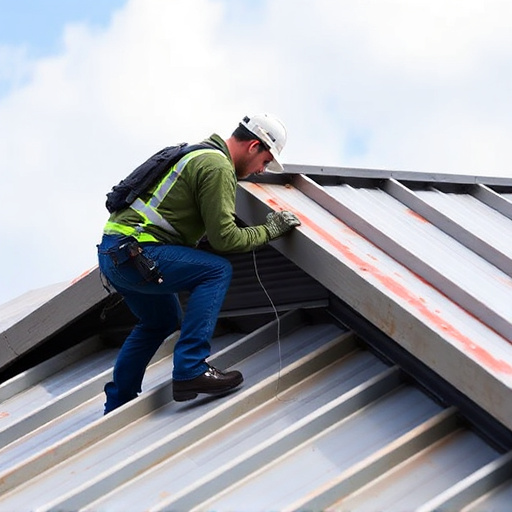
When assessing the condition of a metal roof, a visual inspection checklist is an essential tool for homeowners in Oro Valley and Marana. Start by examining the overall appearance of the roof. Look for any signs of damage, such as missing or damaged panels, loose screws, or evidence of water intrusion. These issues can often be spotted from the ground, so it's crucial to take a closer look. In the Rancho Vistoso neighborhood, homeowners have reported leaks at metal panel laps, highlighting the importance of meticulous inspection.
Next, focus on the metal roof underlayment. This protective layer is crucial for preventing water damage and moisture buildup. Check for any signs of wear, tearing, or compression. Thermal expansion and contraction can cause the underlayment to wrinkle or bubble, so look for these patterns. Ensure that neoprene washers are securely in place, as they play a vital role in sealing joints and preventing leaks. A licensed roofing contractor serving Oro Valley and Marana can provide guidance on identifying common underlayment issues.
Pay attention to the quality of the fastening system. Exposed versus hidden fasteners create different aesthetic effects but also have distinct maintenance requirements. Inspect for rust on the fasteners and the roof's overall structure. Metal roofs in this region have faced challenges with hail damage, so be vigilant for any pitting or deformity. Regular visual inspections can help catch these issues early, ensuring the longevity of your metal roof.
Finally, assess the paint finish and overall color consistency. Metal roof paint finishes, especially Kynar-coated panels, offer excellent durability and heat reflection. Over time, however, colors can fade, especially in direct sunlight. Keep an eye out for patchy or faded areas, which might indicate a need for repainting or a new coat of protective coating. This step ensures your metal roof not only looks its best but also maintains its protective properties.
Maintaining Metal Roof Integrity: Underlayment and Flashing
Maintaining the integrity of your metal roof is crucial for ensuring its longevity and the overall safety of your home. A key component in this process is examining the metal roof underlayment and flashing. These elements act as a crucial barrier against moisture intrusion, which can cause significant damage to your home over time.
When inspecting the underlayment, look for signs of wear, tears, or loose materials. The underlayment should be in good condition, providing a solid foundation for your metal roof. Flashing, which lines the valleys and edges of your roof, should also be in top shape. Check for proper sealing and fastening, as these areas are particularly vulnerable to leaks. A local roofing company serving Oro Valley recommends using high-quality, Kynar-coated materials for both underlayment and flashing, as they offer superior resistance to corrosion and UV damage.
Consider the panel gauge-a measure of thickness-when assessing your metal roof's underlayment. Thicker panels (higher gauge numbers) generally provide better protection but may be more expensive. The type of metal, such as stone coated steel, can impact both cost and performance. This material is known for its superior strength and durability, but it's essential to ensure proper installation and regular maintenance to maximize its benefits. Remember, a well-maintained metal roof not only enhances your home's curb appeal but also contributes to its overall energy efficiency and resilience, especially in harsh weather conditions, including those with high solar reflectance.
Regular Cleaning and Coating: Protecting Your Metal Roof
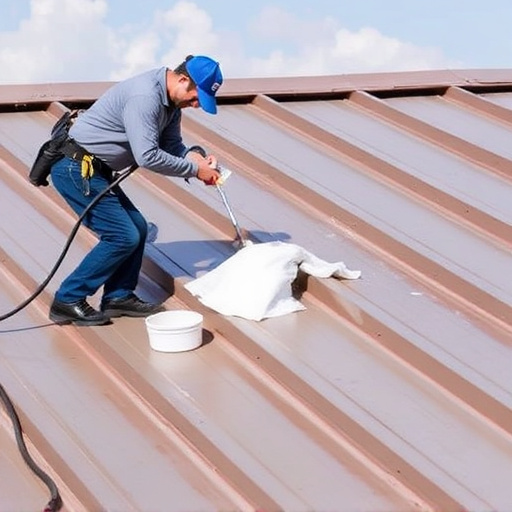
Regular cleaning and coating are essential for maintaining the longevity and performance of your metal roof. This includes metal roofing systems like R panels, which are popular for their durability and solar reflectance. In Oro Valley, where hail events can be frequent, a robust maintenance routine becomes even more critical.
Start by removing debris and dust buildup on the roof's surface. This is crucial because debris can trap moisture, leading to rust and corrosion, especially in areas with high humidity. Use a soft brush or a pressure washer with a low-pressure setting to avoid damaging the metal. After cleaning, apply a high-quality, Kynar-coated metal roof paint finish. This step not only enhances the aesthetic appeal but also protects against UV rays, extreme temperatures, and corrosion. A local roofing company serving Oro Valley recommends using paints specifically designed for metal to ensure optimal adhesion and longevity.
Remember, the metal roof underlayment matters in protecting against leaks and moisture intrusion. Regularly inspect it for any signs of damage, such as loose or missing screws. Tighten or replace them as needed to maintain a secure seal. Be mindful of thermal expansion and contraction, especially in extreme temperature fluctuations. These movements can cause minor cracks or gaps at the metal panel laps. Keep an eye on these areas and seal them promptly to prevent water penetration.
Lastly, consider the overall condition of your metal roof during each inspection. Look for signs of rust, especially in areas prone to hail impact. While metal roofs are resistant to damage, hail 1-2 inches in diameter can leave visible marks. If you notice any significant damage, consult a professional roofing contractor for repairs. Regular cleaning, coating, and maintenance checks will ensure your metal roof remains a reliable and attractive feature of your Oro Valley home for years to come.
Expert Maintenance Tips: Extending Metal Roof Lifespan
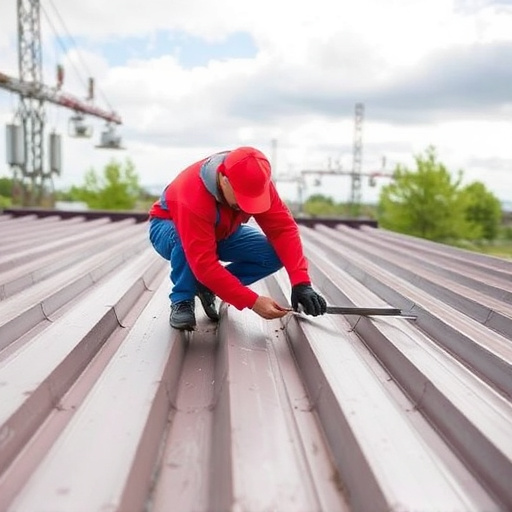
Extending the Lifespan of Your Metal Roof: Expert Maintenance Tips
Regular upkeep is crucial for extending the lifespan of your metal roof, ensuring its continued protection against the elements, and maintaining its aesthetic appeal. Here, we examine expert maintenance strategies specifically tailored for metal roofs in Oro Valley, focusing on a key component: the metal roof underlayment. A well-maintained underlayment is essential for preventing leaks and ensuring the structural integrity of your roof over time.
Start by inspecting your roof for any signs of damage, such as loose or missing fasteners. Both exposed and hidden fasteners require regular tightening to maintain a secure seal. Standing seam metal roofs often use hidden fasteners, which should be checked quarterly to ensure they remain tight, preventing water intrusion. Examine the metal roof underlayment for tears, holes, or loose edges. These issues can be addressed by a licensed Oro Valley roofing contractor who can replace or repair the underlayment as needed. Regular maintenance also includes cleaning the roof to remove debris and algae buildup, which can compromise the protective coating.
Another vital aspect of metal roof maintenance is addressing ridge vents. Proper ventilation helps regulate roof temperatures, reducing the risk of heat-related damage. Over time, ridge vents can become blocked by debris, impacting the overall performance of your roof. Ensure these vents are clear and functional to optimize airflow. An experienced Oro Valley roof specialist can assess and clear any obstructions, ensuring your roof's longevity. By implementing these expert maintenance tips, homeowners can significantly extend the lifespan of their metal roofs, enhancing the overall value and durability of their properties.
Frequently Asked Questions About a Homeowner Checklist for Metal Roof Upkeep and Inspections
What is the recommended frequency for metal roof inspections?
Regular inspections are crucial for metal roofs, which typically require checking every one to two years. This timeline ensures any issues, like loose or damaged panels, corrosion, or leaks, are identified and addressed promptly. A licensed roofer with experience in metal roofing should conduct these inspections, as they can accurately assess the condition of the roof and provide expert advice.
How do I know if my metal roof needs repair or replacement?
Look for signs of damage, such as dents, leaks, rust, or loose panels. If these issues are minor, repair may be sufficient. However, if the damage is extensive, affecting the structural integrity, it might be time for a replacement. A professional inspection is the best way to determine the roof's overall condition and predict its lifespan.
What maintenance tasks can I perform to prolong my metal roof's life?
Regular cleaning to remove dirt, algae, or moss buildup is essential. Use a soft brush or water pressure washer, being careful not to damage the panels. Check for loose or damaged fasteners and tighten or replace them as needed. Inspect for signs of corrosion, especially around fasteners and flashing, and address these issues promptly.
Are there specific cleaning products recommended for metal roofs?
Use mild, pH-neutral cleaners designed for metal roofs. Avoid harsh chemicals that can damage the coating. Simple solutions like a mixture of warm water and mild dish soap are often sufficient for general cleaning. Always follow manufacturer guidelines for cleaning and maintenance, and consider consulting with a roofing professional for advice on the best products for your specific metal roof.
What are the benefits of a metal roof inspection over other types?
Metal roofs require unique care and expertise for inspection. They can be prone to specific issues, like corrosion and panel damage, that are less common with other roofing materials. A professional inspection ensures these issues are identified, allowing for proactive repairs or replacements, extending the roof's lifespan, and potentially saving money in the long term.
How can I prepare for a metal roof inspection?
Make sure your roofer has access to all areas of the roof. Remove any obstructions, like tools or garden equipment. If possible, schedule the inspection when the roof is dry to avoid any water-related issues. Have a list of concerns or recent changes, such as unusual noises or changes in the roof's performance, to discuss with the inspector.
For maintaining your Oro Valley home's standing seam metal roof, a proactive approach is key. Regular visual inspections, along with addressing the underlayment and flashing, form the foundation of your metal roof upkeep. Cleaning and coating your roof help protect against corrosion and fading, extending its lifespan. The National Roofing Contractors Association (NRCA) emphasizes the importance of a qualified installer and regular maintenance, which can help prevent common issues like leaks at metal panel laps and loose screws.
Remember, your home's metal roof underlayment acts as a crucial barrier against moisture and extreme temperatures. Understanding the panel gauge and choosing the right materials for repairs and coatings will further ensure the longevity of your roof. By heeding these expert tips and incorporating them into your annual home maintenance routine, you can expect a durable, low-maintenance metal roof that enhances your home's value and stands the test of time, even in the face of potential wildfire embers and hail.
Homeowner Checklist for Metal Roof Maintenance:
- Visual Inspection: Check for damage (missing/damaged panels, loose screws), wear on underlayment, fastener rust, and hail damage.
- Underlayment Care: Inspect for wear, tears, and compression. Ensure neoprene washers are secure. Regularly check for leaks at panel laps.
- Maintenance Tips: Clean the roof to prevent debris buildup and algae. Maintain ridge vents for optimal airflow. Regularly tighten fasteners and inspect for corrosion.
- Paint and Coating: Repaint faded areas with Kynar-coated paint for durability and UV protection.
- Longevity: A well-maintained metal roof underlayment extends lifespan, enhances curb appeal, and contributes to energy efficiency.