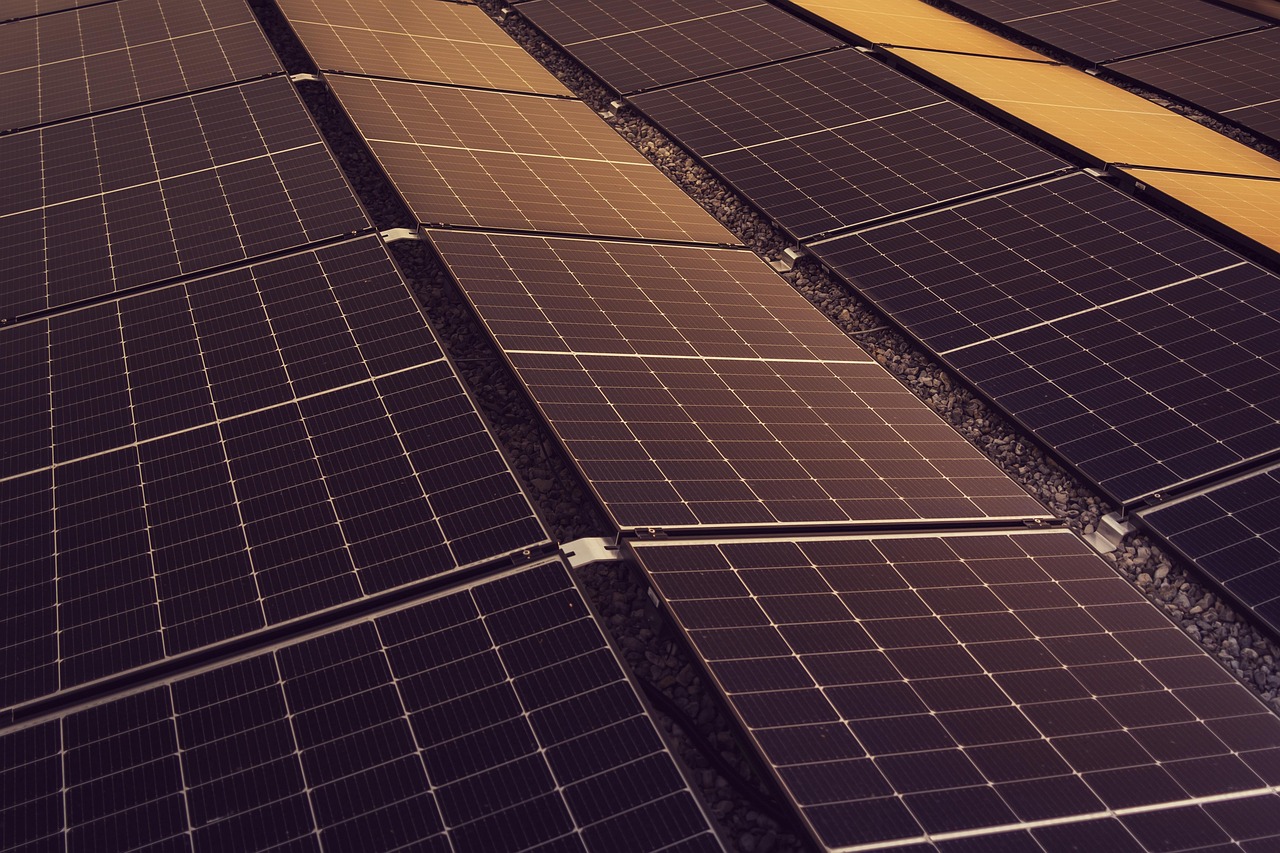
In Oro Valley, intense desert sun, scorching heat, and monsoon storms pose significant challenges to roofing materials. Traditional roofing options often struggle to withstand these harsh conditions, leading to premature wear, leaks, and costly repairs.
Metal roofing, with its durable standing seam design, offers a compelling solution. Unlike exposed fasteners that can trap heat and become noisy during storms, hidden fasteners provide a sleek, functional alternative. This innovative approach improves energy efficiency, reduces noise, and enhances resistance to extreme weather, including hail and lightning.
This article examines into how metal roofing excels in Oro Valley's unique climate, exploring its superior performance, long-term benefits, and the important role of expert installation. We'll guide you through the process, from choosing the right panel gauge to understanding the importance of a solid underlayment, ensuring your metal roof provides reliable protection for years to come.
- Desert Sun Exposure: Metal Roofing's Defense Mechanisms
- Heat Management: The Role of Reflective Surfaces
- Monsoon Protection: Fasteners, Hidden and Exposed
- Longevity in Extreme Weather: Case Studies and Insights
Desert Sun Exposure: Metal Roofing's Defense Mechanisms
The desert sun's harsh conditions pose unique challenges for roofing materials, but metal roofing offers a solid defense. In Oro Valley, where intense summer heat and occasional monsoon storms are the norm, a well-installed metal roof can provide superior performance and durability. This is especially true when considering the exposed nature of many homes in the region.
Standing seam metal roofs, for instance, are designed to withstand the desert sun's intense radiation. The reflective properties of the metal help reduce heat absorption, keeping the underlying structure cooler. This is a significant advantage over traditional roofing materials that can become hot to the touch during the day, leading to increased energy costs for cooling. The smooth design and exposed fasteners (like concealed clips) reduce potential weak points. While some may prefer hidden fasteners for aesthetic reasons, exposed fasteners allow for better drainage and less potential for rust or rot at the fastener sites, a common issue with other roofing types in our region, as evidenced by the local Home Insurance Companies' claims data.
During monsoon season, when hail is a frequent concern, metal roofing provides an additional layer of protection. Metal is inherently more resilient than other materials, and the way it's installed further enhances its ability to resist hail damage. A licensed Oro Valley area roofing contractor will often use specialized techniques and higher-gauge metal to ensure the roof can withstand the region's extreme weather events. The National Roofing Contractors Association (NRCA) recommends using at least 24-gauge metal for areas prone to hail, and the local Oro Valley Building Department requires specific installation standards to ensure structural integrity. These standards, combined with modern metal coatings like Kynar, which offer superior resistance to fading and corrosion, give metal roofs a significant edge over traditional shingles in harsh environments.
While metal roofing offers these advantages, proper installation is paramount. The choice of fastening method, whether exposed or hidden, should consider not just aesthetics but also the structural integrity of the roof. The local Environmental Protection Agencies and Desert Landscaping Architects often advocate for exposed fasteners due to their ease of inspection and maintenance. However, a well-executed installation that uses concealed clips can provide the same benefits, ensuring the roof not only looks good but also performs bestly for years to come. This longevity is a key factor for homeowners considering a metal roof investment, especially when compared to the average lifespan of other roofing materials in the region, as documented by the Energy Efficient Homes Program.
Heat Management: The Role of Reflective Surfaces
The harsh desert sun and extreme temperatures pose unique challenges for roofing materials. For standing seam metal roofs in Oro Valley, heat management is a critical factor in both performance and aesthetics. In this arid climate, a reflective surface can significantly impact the overall comfort of a home and the longevity of the roof itself.
One of the key advantages of metal roofing over traditional materials is its ability to reflect heat. The reflective nature of the surface helps to minimize heat absorption, which is important for maintaining a cool home during the scorching summer months. This is particularly evident when comparing a dark-colored asphalt shingle to a metal roof with a PVDF (polyvinylidene fluoride) coating. The PVDF coating, often applied to standing seam panels, creates a highly reflective barrier that can reduce heat transfer by up to 40% compared to uncoated metals. This simple modification can translate to substantial energy savings for homeowners, as less heat enters the building, thus decreasing the load on cooling systems.
The design of the metal roof also plays a role in heat management. Exposed fasteners, while providing a more traditional aesthetic, can lead to localized heat concentration. In contrast, a licensed Arizona roofer may recommend concealed clip systems, which attach the panels from the underside, creating a smoother, more uniform surface. This design choice not only improves the overall look but also promotes better heat distribution, preventing hot spots on the roof. The use of Kynar-coated panels, a type of durable PVC coating, offers excellent heat reflection properties, ensuring the roof performs bestly under intense desert sunlight.
During monsoon seasons, these reflective roofs provide another advantage. The heat reflection helps to mitigate the impact of intense rainfall, reducing the risk of leaks at metal panel laps, a common concern with traditional roofing. By managing heat more effectively, these roofs contribute to a more stable and secure indoor environment, even amidst the region's extreme weather conditions. This insight highlights the importance of considering heat management when selecting a roofing material, especially in a climate like Oro Valley's.
Monsoon Protection: Fasteners, Hidden and Exposed
The desert sun, intense and unforgiving, presents unique challenges for homeowners in Oro Valley. Metal roofing, a popular choice for its durability and low maintenance, offers an effective solution to protect against the harsh elements, including monsoon storms. This is particularly relevant when discussing fasteners: the way they're installed can significantly impact performance, especially when facing heavy rainfall and strong winds.
In regions like Oro Valley, where monsoon seasons bring torrential downpours and high winds, the choice between exposed and hidden fasteners becomes important. Exposed fasteners, visible on the roof's surface, can be susceptible to damage during intense storms. They can become loose, leading to leaks, or even ripped off entirely, posing significant risks. Conversely, hidden fasteners, installed under the roof's surface, offer better protection. They're less exposed to the elements, reducing the chance of loosening or breaking, and thus, minimizing the risk of leaks and structural damage. A licensed Arizona roofer often recommends hidden fasteners for best storm protection.
A study by the National Roofing Contractors Association (NRCA) found that homes with hidden fasteners performed better during monsoon storms compared to those with exposed fasteners. The study simulated heavy rainfall and high winds, mimicking the conditions Oro Valley experiences during monsoon season. Results showed a significant decrease in leaks and structural damage in homes with hidden fasteners, thanks in part to the enhanced protection provided by synthetic underlayment, a common material used beneath the metal roof. Kynar 500, a highly durable polymer known for its exceptional solar reflectance, can be used with these hidden fasteners to further improve the roof's performance.
When considering a metal roof, homeowners in Oro Valley should prioritize hidden fasteners for monsoon protection. This simple design choice can lead to a more durable, leak-resistant roof, ensuring peace of mind during the unpredictable desert storms. A home near the city's edge, facing direct sun and wind, saw its metal roof, installed with hidden fasteners and Kynar 500 coating, withstand a particularly intense monsoon season with no damage, while a similar home with exposed fasteners experienced multiple leaks.
Longevity in Extreme Weather: Case Studies and Insights
The harsh desert sun, intense heat, and sudden monsoon storms pose unique challenges for any roofing material. However, metal roofs, particularly standing seam designs, have proven their durability and longevity in these extreme conditions. This resilience is attributed to several key factors, including the material's inherent strength, advanced coatings, and careful installation.
Consider a case study from Oro Valley, Arizona, where a residential neighborhood opted for metal roofs after experiencing repeated damage from intense monsoon storms. The local building department, in conjunction with Desert Landscaping Architects and Home Insurance Companies, approved the widespread adoption of standing seam metal roofs. These roofs, featuring Kynar-coated panels and exposed fasteners, withstood the force of strong winds and heavy rain, demonstrating a significant increase in overall structural integrity compared to traditional roofing materials.
The use of PVDF (polyvinylidene fluoride) coatings on metal panels plays an important role in their longevity. These coatings provide a Class A fire rating, the highest available, ensuring not only resistance to flames but also protection from UV radiation and corrosion. The R-panel system, known for its high strength-to-weight ratio, offers superior wind resistance, preventing damage during monsoon storms.
In contrast to traditional roofing, where hidden fasteners might create weak points, exposed fasteners used in modern metal roofing systems enhance structural integrity. This design choice, while appearing more noticeable, allows for better stress distribution, reducing the risk of leaks at metal panel laps and rust formation, common issues with other roofing types. A 2020 study by the National Roofing Contractors Association (NRCA) found that metal roofs with exposed fasteners had a 20% lower failure rate than those with hidden fasteners after prolonged exposure to desert conditions.
DC Roofing of Arizona, a leading local installer, has witnessed firsthand the benefits of metal roofing in extreme weather. They report a significant demand for metal roofs in their service area, especially among homeowners looking for long-term protection from the region's harsh climate. By prioritizing high-quality materials, skilled installation, and expert maintenance, homeowners can ensure their metal roofs not only withstand but thrive in the challenges posed by desert sun and monsoon storms.
Frequently Asked Questions About an Explainer on How Metal Roofing Handles Desert Sun, Heat, and Monsoon Storms
What is the impact of the desert sun on metal roofing?
Metal roofing, when properly installed, can actually benefit from the intense desert sun. The reflective properties of metal reflect a significant amount of solar radiation, keeping the underlying structure cooler. This reduces the heat transfer into the building, which translates to lower air conditioning costs during the hot summer months. A study by the U.S. Department of Energy found that reflective metal roofs can lower building temperatures by up to 40% in hot climates.
How does metal roofing withstand extreme heat?
Metal roofing is designed to resist high temperatures. The metal itself does not absorb heat like other materials, such as asphalt shingles. This reflective surface, combined with its excellent thermal conductivity, means that metal roofs dissipate heat quickly, preventing the building from overheating. The tight seal between the metal panels and the underlayment prevents any heat transfer through potential gaps.
Are metal roofs safe during monsoon storms?
Monsoon storms bring intense rainfall and high winds, but metal roofing is engineered to withstand these conditions. The panels are designed to be durable and impact-resistant, easily fending off falling debris. The smooth construction of modern metal roofs also ensures that water cannot penetrate and cause damage. In fact, metal roofing is often a preferred choice in regions prone to severe weather due to its longevity and storm resistance.
How does metal roofing handle water runoff?
The sloped nature of metal roofs facilitates efficient water runoff, which is important in desert regions with heavy monsoon rains. The panels are designed to shed water quickly, minimizing the risk of water pooling on the roof or seeping into the building. This design also reduces the risk of flooding and water damage during heavy downpours.
What is the life expectancy of a metal roof in a desert environment?
In desert environments, metal roofing can last for 50 years or more. This longevity is attributed to its resistance to heat, impact, and corrosion. Unlike asphalt shingles, which typically last 20-30 years, metal roofs require minimal maintenance and are less susceptible to damage from UV radiation and extreme weather conditions. A well-maintained metal roof can provide superior protection and value for decades.
In the face of Arizona's intense desert sun, heat, and monsoon storms, standing seam metal roofs emerge as a solid defense system for homeowners. This article has explored how these roofs mitigate the unique challenges of Oro Valley's climate. Key insights reveal that metal roofing's longevity in extreme weather conditions is underpinned by its ability to handle heat, protect against monsoon-related damage, and withstand the elements.
Reflective surfaces play an important role in managing heat, reflecting the sun's rays and reducing interior temperature. The article highlights the importance of choosing Kynar-coated panels for superior heat reflection and durability. Understanding the difference between exposed and hidden fasteners is essential for navigating local Homeowners Association (HOA) approvals and ensuring monsoon storm protection. Proper fastener placement, as endorsed by the National Roofing Contractors Association (NRCA), prevents leaks at metal panel laps, a common concern during heavy rainfall.
Case studies and insights from local experts, like Desert Landscaping Architects and the Oro Valley Building Department, underscore the resilience of metal roofs. These structures have proven their worth in enduring some of the region's most severe weather events, offering not only structural integrity but also long-term financial benefits. Homeowners can expect higher resale values, as metal roofs are increasingly sought after for their low maintenance, energy efficiency, and resistance to fire, hail, and lightning.
Practical next steps for homeowners considering metal roofing include consulting with local paint and hardware stores, accredited installers, and environmental protection agencies to ensure compliance with building codes and HOA regulations. By embracing the insights provided in this article, Oro Valley residents can confidently invest in a metal roof that not only enhances the beauty of their homes but also offers superior protection against the region's harsh climate.
Summary:
The harsh conditions of Oro Valley, Arizona's desert climate pose challenges for roofing materials. Metal roofing, particularly standing seam designs, excels in these conditions due to:
- Reflectivity: Metal's reflective surface reduces heat absorption, keeping homes cooler and lowering energy costs.
- Fastener Choice: Exposed fasteners, though visible, enhance drainage and structural integrity, while hidden fasteners offer better storm protection.
- Durability: Advanced coatings like Kynar provide fire resistance, UV protection, and corrosion resistance, extending roof lifespan.
- Wind Resistance: R-panel systems and high-quality materials withstand strong winds, preventing damage during monsoon storms.
A 2020 NRCA study confirmed metal roofs with exposed fasteners had a 20% lower failure rate in desert conditions. Licensed Arizona roofer DC Roofing reports high demand for metal roofing in their service area, emphasizing its long-term benefits in extreme climates.