In today's modern home construction, metal roofing is gaining popularity for its durability, low maintenance, and energy-efficient properties. When considering a metal roof, especially over existing structures, understanding the unique challenges is crucial. One such challenge is the management of noise, as metal is known for its reverberating sound in the rain. Thermal expansion and contraction can lead to issues with fastener integrity, creating potential entry points for water. This article examines practical solutions for these problems, focusing on standing seam metal roofs. We'll discuss how to mitigate noise, ensure structural integrity, and maintain a long-lasting roof, all while adhering to local building codes and homeowner association (HOA) guidelines.
- Understanding Metal Roof Noise: Causes and Solutions
- Expansion and Contraction: Managing Metal Roofs' Natural Movement
- Fastener Care for Longevity: A Metal Roof Guide
- Metal Over Existing Roofs: A Step-by-Step Installation Guide
Understanding Metal Roof Noise: Causes and Solutions
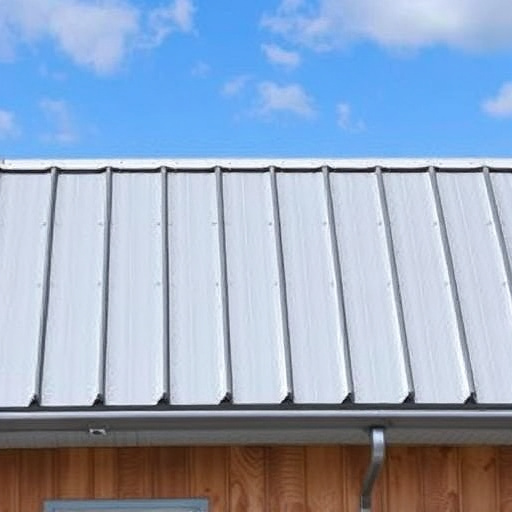
Understanding metal roof noise is essential for any homeowner considering this durable and aesthetically pleasing option. One common concern, especially for those replacing roofs over existing structures, is the potential for increased noise, particularly during rainfall. This noise stems from several factors related to the unique properties of metal, including its ability to transmit sound and the way it interacts with the elements.
Metal is a naturally resonant material, meaning it vibrates readily when struck by rain droplets or wind. In a standing seam metal roof, where panels are joined together with interlocking seams, these vibrations can create a rhythmic, sometimes annoying, sound. The fastening system, which secures the panels to the deck, plays a role. Traditional methods employing screws or nails, especially if not properly installed or if loose, can contribute to creaking and popping noises.
Fortunately, there are solutions. Incorporating a ridge vent along the peak of the roof helps expel trapped air and reduces vibrations, thereby minimizing noise. Selecting a metal with superior solar reflectance and a protective coating, such as PVDF (polyvinylidene fluoride), can help regulate temperature and reduce the expansion and contraction of the metal due to heat fluctuations, further dampening noise levels. A local roofing company serving Oro Valley with expertise in metal over existing roofs can guide homeowners in choosing the best options for their specific needs and ensure proper installation, resulting in a quieter, more enjoyable living environment.
Expansion and Contraction: Managing Metal Roofs' Natural Movement
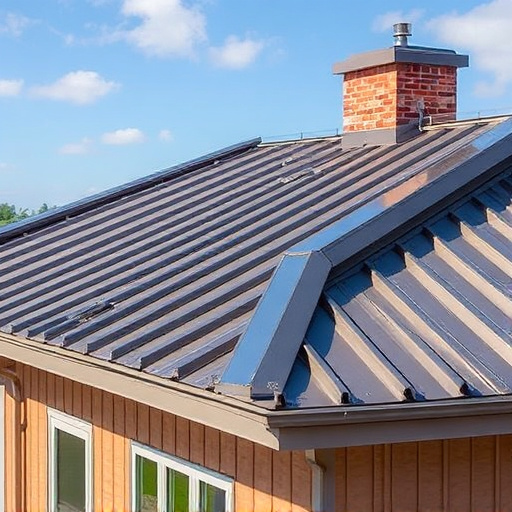
Metal roofing, when installed correctly, offers exceptional durability and low maintenance-but it's not without its unique challenges. One of the most significant factors to consider when working with metal over existing roofs is managing the natural expansion and contraction of the material. This movement, while essential for the roof's performance, can lead to concerns among homeowners, especially in the context of noise and potential damage. Let's examine these considerations and explore effective solutions.
Metal is known for its coefficient of thermal expansion, meaning it expands and contracts with temperature fluctuations. This phenomenon is particularly noticeable in regions with significant diurnal temperature changes, such as the Oro Valley area. When installed, metal panels must be fastened securely while allowing for this movement to prevent loose screws and potential leaks. The key lies in using the right fasteners and materials to accommodate the expansion and contraction. Neoprene washers can be integrated into the fastening system to provide flexibility and absorb the stress caused by movement.
Choosing the appropriate panel gauge is another critical aspect. Thicker panels, like Kynar-coated ones, offer superior resistance to thermal expansion and contraction, ensuring a longer lifespan. A licensed Oro Valley area roofing contractor recommends considering the local climate and environmental conditions when selecting a panel gauge. For regions with extreme temperature swings, a more robust panel gauge can significantly reduce the risk of damage and leaks over time. By understanding and addressing these factors, homeowners can enjoy the quiet, secure, and long-lasting performance of their metal roofs, even in the face of natural movement.
Fastener Care for Longevity: A Metal Roof Guide
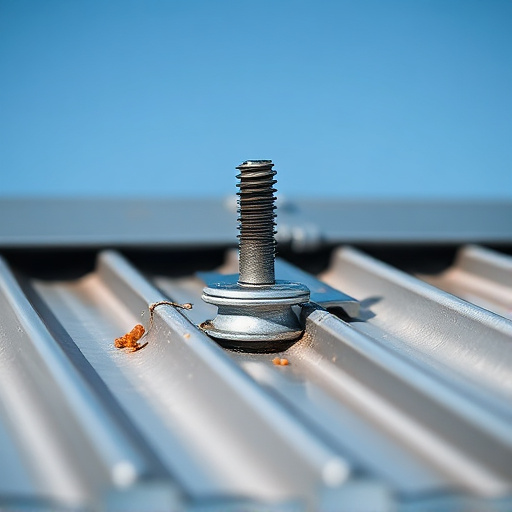
Proper fastener care is crucial for maintaining the longevity and integrity of a metal roof, especially when installing it over existing structures. When considering a metal roof for your Oro Valley or Marana home, understanding how to secure and maintain these fasteners is essential. The process involves a combination of skilled installation, regular inspection, and addressing specific challenges unique to metal roofing, such as noise, expansion, and lightning protection.
One of the primary concerns with metal roofs is managing noise, particularly during rainstorms. Metal panels can resonate, creating a loud ringing sound that can be disruptive. To mitigate this, ensure that your roofing contractor serving Oro Valley and Marana uses proper fastening techniques, including hidden or exposed fasteners, depending on the panel style and local building codes. Hidden fasteners, often referred to as "hidden fastener systems," are designed to eliminate noise by securing panels from underneath, while exposed fasteners can be chosen for their aesthetic appeal and may also offer better noise reduction due to the extra material they provide. Proper ridge venting and a synthetic underlayment can further reduce noise levels, allowing you to enjoy a quieter home.
Expansion and contraction are inherent properties of metal, especially in varying climates. Metal over existing roofs must account for this thermal expansion to prevent damage or leaks. Fasteners play a vital role in accommodating these movements. Using the right type and gauge of fasteners, such as Kynar-coated stainless steel screws, is essential. These fasteners are designed to resist rust and provide a strong, flexible connection. Proper fastener spacing and a suitable panel gauge, which determines the metal thickness, ensure the roof can expand and contract without loosening or failing. Regular inspection and tightening of fasteners by a professional contractor can also help maintain the roof's integrity over time.
Lightning protection is another critical aspect of metal roof maintenance. Metal is an excellent conductor of electricity, making it susceptible to damage from lightning strikes. To safeguard your home, consider a metal roof underlayment designed to dissipate lightning strikes safely. This layer, often made of synthetic materials, provides an extra layer of protection by redirecting lightning energy away from the roof structure. Combining this with a reputable metal roofing system and regular maintenance from a skilled contractor serving Oro Valley and Marana ensures your metal roof not only lasts but also provides peace of mind during severe weather events.
Metal Over Existing Roofs: A Step-by-Step Installation Guide
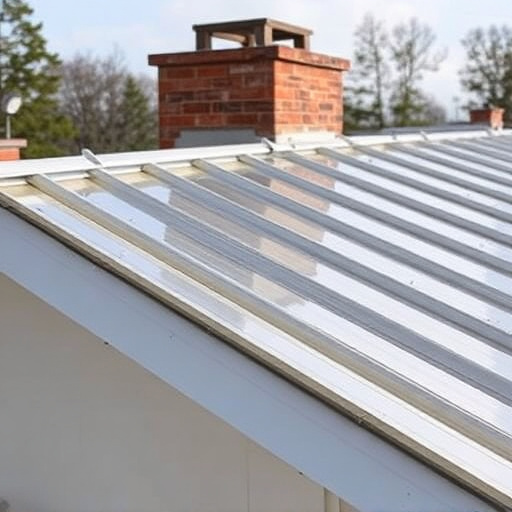
When considering a metal roof installation over an existing roof in the Catalina Foothills, understanding noise, expansion, and fastener care is crucial. This is especially true during Tucson's monsoon winds, where the unique environmental conditions can affect your new metal roof's performance. Let's break down these key aspects into a step-by-step guide for a successful installation.
Noise Mitigation: Metal roofs can be subject to noise, particularly during strong winds. To mitigate this, choose a high-quality synthetic underlayment that provides extra insulation. This layer acts as a buffer between the metal roof and the structure below, significantly reducing noise transmission. Ensure proper fastener placement and securement to minimize any rattling or vibrations. A licensed roofer with an Arizona ROC license can advise on the most effective methods for noise reduction based on local conditions.
Expansion and Contraction: Metal expands and contracts with temperature changes, and this can be more pronounced in the extreme desert climate of Tucson. To account for this, it's essential to use a compatible fastener system designed to handle these movements. Exposed versus hidden fasteners offer different solutions. Exposed fasteners, like self-drilling screws, allow for expansion and contraction while securing the panels firmly. Hidden fasteners, often used in more modern designs, can include specialized clips or mechanical fasteners that accommodate thermal expansion. Always follow manufacturer guidelines for fastener spacing and length to prevent thermal damage or leaks.
Fastener Care: Rust is a common concern with metal roofs, especially when left unaddressed, it can compromise the structural integrity of the roof. To prevent rust, use Kynar-coated panels, known for their superior corrosion resistance. Regularly inspect fastener sites, cleaning them as needed to remove any debris or corrosion. For exposed fasteners, consider using rust-resistant screws or applying a protective coating to the screws. This simple step can extend the lifespan of your metal roof and maintain its aesthetic appeal.
By carefully considering these factors-noise, expansion, and fastener care-you can ensure a well-performing metal roof that complements the unique landscape of the Catalina Foothills.
Frequently Asked Questions About an Explainer on Noise, Expansion and Fastener Care on Metal Roofs
What causes noise from metal roofs? Metal roofs can emit noise from several sources. The primary culprits are wind, thermal expansion, and fastener fatigue. Wind blowing across the roof can create a whistling or howling sound, especially on flat or low-sloped roofs. Thermal expansion occurs when metal expands and contracts with temperature changes, leading to creaking or popping noises. Fastener care, including rust and loose screws, can also contribute to these sounds. Regular inspection and maintenance can mitigate these issues.
How do I know if my metal roof is expanding? Metal roofs expand and contract with temperature fluctuations, leading to visible and audible signs of expansion. Look for slight gaps or misalignments in the panels, especially around corners and edges. You may also hear creaking or popping noises, particularly during times of rapid temperature change. If you notice these, consult a professional to assess the extent of the expansion and recommend appropriate solutions.
What can I do to prevent fastener issues on my metal roof? Regular inspection and maintenance are key to preventing fastener issues. Check for loose or rusted screws and bolts, and replace them as needed. Use corrosion-resistant fasteners and apply a protective coating to the metal to prevent rust. Ensure proper installation and tightening of all fasteners to maintain a secure and quiet roof.
How often should I inspect my metal roof for noise issues? It's recommended to inspect your metal roof for noise-related issues at least twice a year, particularly before and after seasons with extreme temperature changes. This periodic maintenance will help you identify and address potential problems before they become more significant and costly to repair.
What should I do if my metal roof is noisy and old? If your metal roof is noisy and has reached the end of its useful life, consider a complete replacement. Modern metal roofing materials offer a range of styles, colors, and finishes to suit your aesthetic preferences. A professional installer can ensure the new roof is properly fastened and sealed to minimize noise and leakage.
Are there specific fastener types better suited for metal roofs? Yes, choosing the right fasteners for your metal roof is essential. Stainless steel or galvanized steel fasteners are recommended for their corrosion resistance. Self-drilling or self-tapping screws are often preferred as they create their own holes, reducing the risk of damage to the metal. Always consult with a professional or a manufacturer's guide for the best fastener options for your specific roof system.
How can I reduce the noise from my metal roof during wind? While you can't eliminate wind noise entirely, several measures can help reduce it. Installing wind barriers or storm panels can provide additional protection and minimize noise. Ensuring proper fastening and sealing of the roof also helps. For extreme conditions, consider a roof with a steeper slope, as wind resistance increases with slope angle.
As we've explored the intricate details of metal roof care, several key insights emerge to guide both homeowners and professionals.
Firstly, understanding the natural noise associated with metal roofing is crucial. While the distinctive sound can be a concern for some, recognizing its causes-from wind to expanding metal-allows for proactive solutions.
Second, metal roofs, like all materials, expand and contract with temperature changes. Properly managing this movement through adequate clearance and flexible flashing ensures longevity.
Lastly, fastener care is paramount. Regular inspection and replacement of loose screws, coupled with the use of durable Kynar-coated panels and rust-resistant fasteners, are essential to prevent leaks and maintain a secure seal, especially when installing a metal roof over existing structures.
By embracing these practices, homeowners can maximize the benefits of metal roofing, including superior durability, low maintenance, and a modern aesthetic. With the right care, these roofs can stand strong against the elements for decades, providing both functional and aesthetic value to any property, from modern homes to traditional barns.
Metal Roof Installation Guide for Existing Structures:
- Noise Control: Use synthetic underlayment for insulation, proper fastener placement, and consider exposed or hidden fasteners to minimize metal roof noise.
- Expansion Management: Account for metal's thermal expansion with compatible fastener systems. Use Kynar-coated panels and follow manufacturer guidelines for fastener spacing.
- Fastener Care: Prevent rust with Kynar coating and regular inspection. For exposed fasteners, use rust-resistant screws or coatings to ensure long-term performance.