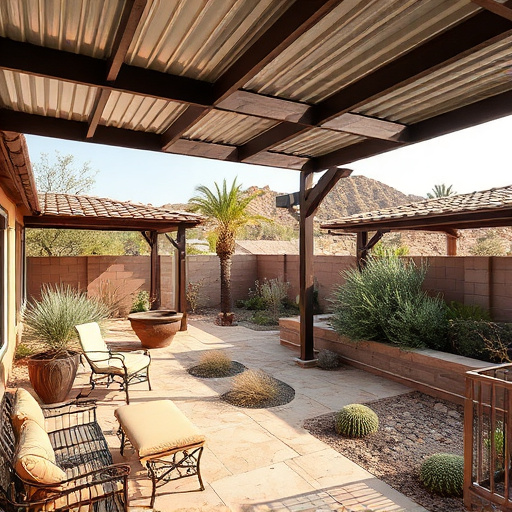
In the arid landscape of standing seam, the choice of roofing material is critical. Metal roofs, with their durability and low maintenance, have gained popularity among modern desert, ranch, and barn-style homes. However, selecting the right type, understanding installation intricacies, and addressing common concerns like fastener placement, noise in rain, and rust prevention are essential for a successful project. This guide examines the benefits, practicalities, and best practices of metal roofs, offering homeowners and contractors valuable insights into their installation, maintenance, and longevity. We'll explore metal roof flashing details, ensuring a robust and reliable protective system for these structures, and provide expert advice for navigating the approval process with local Homeowners Associations.
- Understanding Metal Roofs: Modern Desert, Ranch, and Barn Styles
- Choosing the Right Metal Roof: Materials and Colors
- Installation Process: Step-by-Step Guide and Flashing Techniques
- Maintenance and Longevity: Ensuring Optimal Performance
Understanding Metal Roofs: Modern Desert, Ranch, and Barn Styles
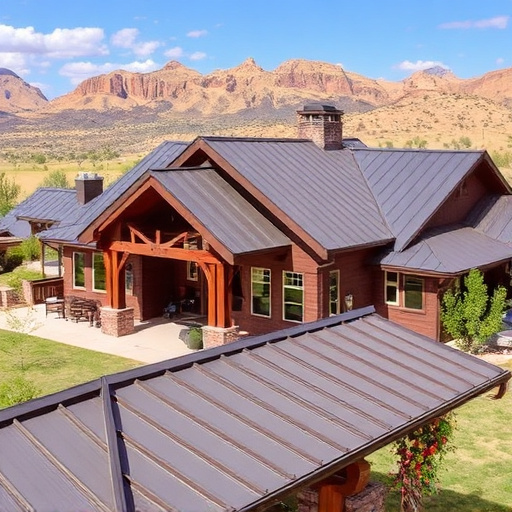
When considering a metal roof for your modern desert, ranch, or barn-style home in Oro Valley, understanding the specific design and installation nuances is crucial. Metal roofs, while popular for their durability and aesthetic appeal, require careful consideration of factors like fastening methods, underlayments, and flashing details, especially in a desert climate.
One key design choice is the type of fastening system. Traditional exposed fastener systems use screws visible on the roof's surface, offering a more industrial look. Conversely, concealed clip systems fasten panels underneath the roof's surface, providing a smoother, more streamlined appearance. For homeowners seeking a blend of modern aesthetics and traditional functionality, hidden fasteners can be the ideal solution. However, HOA architectural reviews are essential, as some communities have specific guidelines regarding metal roof installation, particularly in suburban neighborhoods.
Installation is a critical step, and the choice of underlayment matters in protecting your home from leaks and moisture damage. Traditional felt underlayments have been used for years, but synthetic alternatives are gaining popularity. Synthetic underlayments offer superior durability and water resistance, enhancing the overall lifespan of your metal roof. Proper flashing details are also paramount, especially around roof penetrations like vents, chimneys, and valleys. A roofer with an Arizona ROC license can help ensure these critical components are installed correctly, preventing costly repairs down the line.
Consider the unique challenges of living in a desert environment. Extreme temperature fluctuations, high winds, and intense sunlight can impact the performance and longevity of your metal roof. Quality Kynar-coated panels, known for their exceptional heat reflection and UV resistance, can mitigate these effects, preserving the roof's integrity and maintaining its reflective properties over time. Regular maintenance, including inspecting for loose screws and ensuring proper drainage, will further extend the lifespan of your metal roof.
Choosing the Right Metal Roof: Materials and Colors
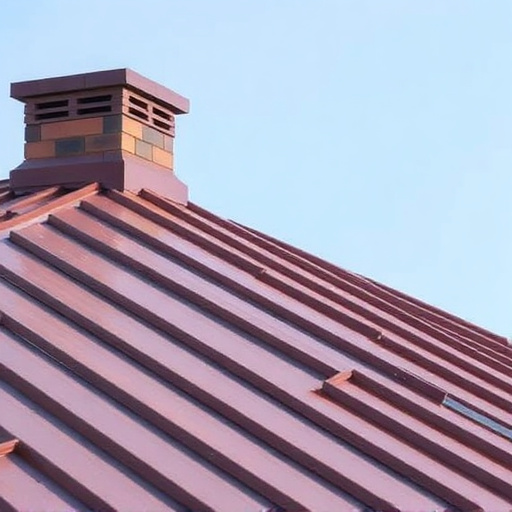
Choosing the right material and color for your metal roof is a crucial decision, especially in the unique climate of Oro Valley. This selection will not only impact the aesthetics of your modern desert, ranch, or barn-style home but also its energy efficiency and long-term durability. Let's examine the key considerations for your metal roofing material and color options.
Metal roofs are a popular choice for these architectural styles due to their strength and versatility. They offer a wide array of materials, each with distinct properties. Galvalume, a zinc-aluminum alloy, is known for its superior resistance to corrosion and weathering, making it ideal for areas prone to monsoon winds and intense sun exposure. When considering color, keep in mind that lighter shades reflect heat, which can lead to reduced energy costs in the hot Tucson summers. Dark colors, on the other hand, absorb heat, so choose wisely based on your home's design and energy efficiency goals.
The ridge vent, a critical component in metal roofing systems, matters in ensuring proper ventilation and preventing heat buildup. This component, when installed correctly, can enhance the overall performance and longevity of your metal roof. A local roofing company serving Oro Valley can provide expert guidance on the best ridge vent options for your specific home, especially if it has unique architectural features or is situated in a challenging microclimate.
For installation, the expertise of your contractor is paramount. Proper flashing details, for instance, are essential to seal the roof's edges and prevent leaks. A skilled technician will ensure these details are meticulously executed, ensuring your metal roof stands the test of time, even in the face of potential hail events and lightning strikes, which are not uncommon in the area.
Installation Process: Step-by-Step Guide and Flashing Techniques
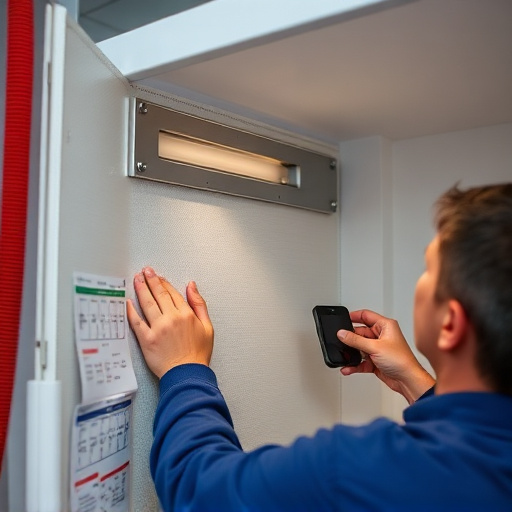
When installing a metal roof on a modern home in the Catalina Foothills, meticulous attention to detail is crucial. The process involves more than just placing panels; it's about ensuring longevity, water protection, and aesthetic appeal. Here's a step-by-step guide that highlights the installation process and the critical role of metal roof flashing details.
The journey starts with preparing the roof deck. This step involves checking for any defects or damage and ensuring the deck is clean, dry, and structurally sound. A licensed Arizona roofer will then install a suitable underlayment, which serves as a secondary barrier against water intrusion. This is especially important in our desert climate where intense sun and high winds can take a toll on materials.
Next, the roofer attaches the metal roof panels using concealed clips, a technique that offers both strength and a sleek, seamless look. These clips are designed to securely fasten the panels while allowing for minor adjustments during installation, ensuring a tight seal. The panels are then joined at the edges, creating a strong, continuous surface. A key aspect of this step is proper alignment to prevent water from seeping in around the edges.
The final layer involves the intricate work of metal roof flashing details. Flashing is a critical component that seals the joints between the roof panels and the walls, chimney, and other structures. A skilled installer will carefully cut and place flashing to direct water away from these vulnerable areas. This includes ridge vent flashings, which are designed to allow air flow while keeping water out. By ensuring these details are executed correctly, homeowners can expect many years of protection against the harsh desert conditions.
Maintenance and Longevity: Ensuring Optimal Performance

Maintaining a metal roof in the Tucson desert requires a thoughtful approach, especially when considering the region's unique climate and environmental factors. With proper care, metal roofs can last for decades, providing a durable and low-maintenance option for modern homes. This longevity is especially important for desert and ranch-style residences, which often face intense sunlight, strong winds, and dramatic seasonal temperature changes.
One key to ensuring optimal performance is understanding the intricacies of metal roof flashing details. Flashing, the protective material that seals joints and openings, is crucial in preventing leaks. In Tucson, where monsoon winds can be powerful, proper flashing installation and regular inspections are vital. DC Roofing of Arizona recommends sealing around vents and chimneys with high-quality flashing to withstand the forces of nature. Homeowners should be aware of the potential for rust, especially with exposed fasteners, and address it promptly to maintain the roof's integrity.
Homeowners Associations (HOAs) in Oro Valley and surrounding areas often have architectural guidelines that affect metal roofing choices. While metal roofs are gaining acceptance, some HOAs still require specific styles and finishes. For modern homes, R-panel metal roofing offers a practical solution, combining durability with a variety of color options. It's essential to consult with local experts and adhere to HOA guidelines during the installation process. Proper maintenance includes regular cleaning to prevent buildup from desert dust and occasional checks for loose screws or panel damage, especially after intense storms. By prioritizing these details, homeowners can maximize the lifespan of their metal roofs and enjoy the benefits of a reliable, low-maintenance exterior for years to come.
What are the primary benefits of a metal roof for desert homes?
Metal roofs offer significant advantages for desert climates. Their reflective properties reduce heat absorption, lowering interior temperatures and energy costs. This durability and resistance to extreme weather conditions, common in desert regions, make metal a smart choice. Metal roofs are typically low-maintenance, easy to clean, and can provide a longer lifespan than traditional roofing materials.
Are metal roofs suitable for ranch-style homes?
Absolutely. Metal roofs complement ranch-style homes, especially in rural or suburban settings, thanks to their versatility and ability to withstand varying weather conditions. Their sleek, modern appearance can enhance the overall aesthetic appeal of a ranch home. They also offer the added benefit of durability and long-term savings on replacement costs.
How do metal roofs differ from traditional roofing materials like shingles?
Metal roofs are significantly more durable and longer-lasting than shingles. While shingles are susceptible to damage from strong winds, hail, and extreme temperatures, metal roofs can withstand these elements and remain intact. Metal is also resistant to rot, mold, and pests. They require minimal maintenance, whereas shingles often need frequent replacement and repair.
What types of metal are commonly used for roofing?
The most common types of metal used for roofing are aluminum, steel, and copper. Aluminum is lightweight, corrosion-resistant, and cost-effective. Steel is known for its strength and durability, while copper offers a high-end, elegant look and excellent resistance to the elements. Each type has unique characteristics, and a licensed professional can help determine the best option for your specific home style.
How long do metal roofs typically last?
Metal roofs can last 30-50 years or more with proper installation and maintenance. This longevity, combined with their resistance to rot and pests, makes them a cost-effective choice in the long run.
How much does a metal roof cost to install?
Installation costs for metal roofs vary based on the type of metal, roof size, and complexity of the job. On average, metal roof installations can range from $15 to $40 per square foot, with the national average hovering around $25 per square foot. It's essential to consult with a licensed professional for a precise estimate tailored to your specific needs.
When considering a metal roof for your modern desert, ranch, or barn-style home in Oro Valley, understanding the material's unique benefits and proper installation is crucial. This guide has highlighted key aspects of metal roofing, from choosing the right materials and colors to the step-by-step installation process and essential maintenance practices.
Metal roofs, like standing seam designs, offer exceptional longevity and durability, making them a sound investment for any property. Their ability to reflect heat, reduce noise during rain, and withstand harsh weather conditions, including hail, makes them a top choice for desert environments. The low maintenance requirements and potential for increased home resale value are significant advantages.
To ensure optimal performance, focus on proper flashing techniques, as these metal roof flashing details play a vital role in protecting against leaks at panel laps and around chimneys or vents. Regular inspections and addressing any issues promptly will further enhance the roof's lifespan. By following these guidelines and working with a qualified, experienced installer, homeowners can enjoy the beauty and reliability of a metal roof for many years to come.
Metal Roof Installation and Maintenance in Tucson: A Practical guide
Choosing the right metal roof for your Oro Valley home involves considering fastening systems (exposed vs. Concealed), underlayments (traditional felt vs. Synthetic), and color options for energy efficiency. Installation requires meticulous attention to detail, including proper flashing around roof penetrations and ridge vents. Regular maintenance, like inspecting for loose screws and proper drainage, is vital for long-term protection against desert conditions. HOAs may have guidelines, so consult local experts and adhere to them. Proper care can ensure your metal roof lasts for decades, providing a durable and low-maintenance exterior.