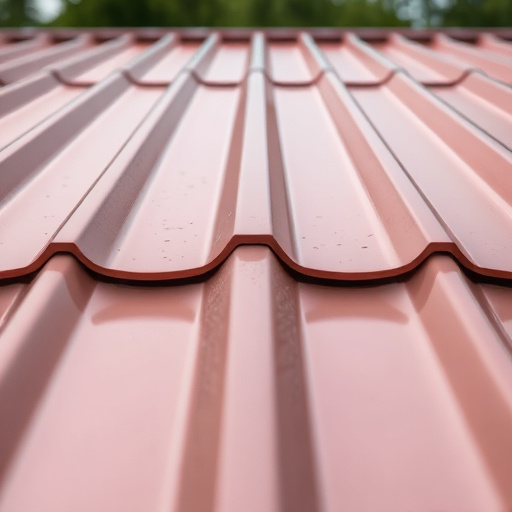
In the bustling landscape of Oro Valley, metal roofs have emerged as a preferred choice for homeowners, businesses, and architects alike. Their durability, low maintenance, and sleek aesthetics align with the region's diverse architecture, from modern homes to traditional casitas. However, a common concern surfaces: the sound of rain on metal, the potential for expansion and contraction, and the longevity of fasteners. This article examines the nuanced care of metal roofs, focusing on noise mitigation, thermal expansion, and fastener maintenance. We explore practical solutions and best practices, offering valuable insights for both homeowners and contractors engaged in metal roof maintenance in standing seam Oro Valley.
- Understanding Metal Roof Noise: Causes & Mitigation
- Expansion & Contraction: Managing Metal Roof Movement
- Fastener Care: Ensuring Secure, Long-Lasting Installations
- Natural Maintenance: Prolonging Metal Roof Lifespan
Understanding Metal Roof Noise: Causes & Mitigation
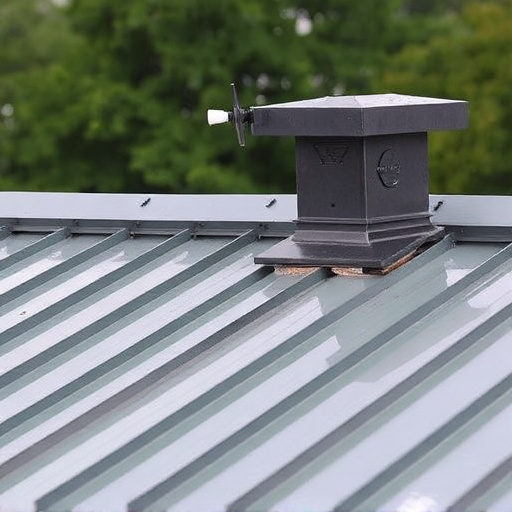
Metal roof noise, while a common concern for homeowners, is a multifaceted issue with specific causes and effective mitigation strategies. Standing seam metal roofs, for instance, can produce a unique sound during rain or strong winds due to their design and the interaction of panels. The primary culprit is often the fastener-nails, screws, or rivets-which secure the panels to the roof deck. When these fasteners are exposed, they can create a metallic ringing or clinking noise as they expand and contract with temperature changes and settle into their fastener holes.
Understanding this dynamic is crucial for proper metal roof maintenance in Oro Valley's diverse climate. During hot summer days, metal expands, potentially causing loose screws or even shifting panels. Conversely, cold nights can lead to contraction, creating potential gaps that allow water intrusion. To combat these issues, a key consideration is the placement of ridge vents. These ventilations, designed to aid in airflow and temperature regulation, can help minimize thermal expansion and contraction by allowing hot air to escape. By strategically incorporating ridge vents, along with high-quality, properly installed fasteners, you can significantly reduce metal roof noise.
The choice of panel type plays a role. R-panel, for instance, is a popular option known for its durability and cost-effectiveness. These panels are designed with a deep, locked seam that reduces noise transmission. Similarly, a Class A fire rating, a measure of a material's resistance to fire spread, can offer added peace of mind. DC Roofing of Arizona, a licensed Oro Valley area roofing contractor, emphasizes these details when recommending metal roofing solutions for local homeowners. Regular maintenance, including inspecting fasteners and re-tightening as needed, further ensures the longevity and quiet performance of a metal roof. By addressing these factors, homeowners can enjoy the benefits of a metal roof, from energy efficiency to low maintenance, with minimal noise distractions.
Expansion & Contraction: Managing Metal Roof Movement
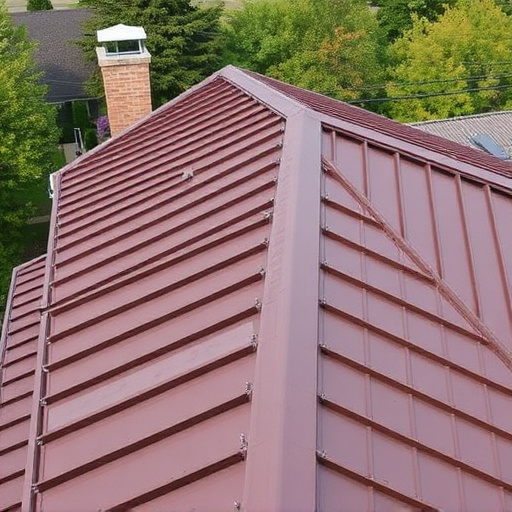
Metal roofing offers exceptional durability and low maintenance, but it requires careful consideration of expansion and contraction. In standing seam metal roofs, panels are designed to move slightly with temperature changes, preventing warping or damage. However, this movement needs proper management to minimize noise, avoid leaks, and ensure the roof's longevity, especially in harsh climates like Oro Valley's monsoon winds.
Expansion and contraction are primarily driven by thermal changes. Metal expands when heated and contracts when cooled. In a roof system, this movement can be significant, particularly along the edges and at laps. To accommodate this, a licensed Arizona roofer recommends using neoprene washers and adequate fastener spacing. These measures allow for a small amount of give, preventing excessive stress on the panels. A panel gauge of 24 or higher, common in quality metal roofs, ensures sufficient strength and flexibility.
During monsoon winds, proper fastener care becomes even more critical. Loose screws or nails can cause panels to flap, leading to noise and potential damage. Regular metal roof maintenance includes inspecting fastener security and tightening as needed. Homeowners should also be aware of potential leaks at metal panel laps, where water can collect during heavy rains. Proper installation, with adequate overlap and sealing materials, helps mitigate these risks. By understanding and addressing expansion and contraction, homeowners can ensure their metal roofs remain reliable, quiet, and durable for many years.
Fastener Care: Ensuring Secure, Long-Lasting Installations
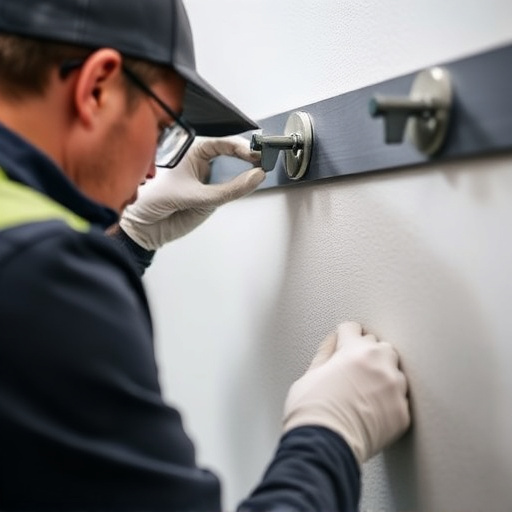
Ensuring the longevity and integrity of a metal roof installation involves more than just proper placement and alignment. One critical aspect often overlooked is fastener care. These seemingly small components play a significant role in keeping your metal roof secure and noise-free for years to come, especially when dealing with the unique challenges posed by Arizona's climate and local building codes.
Metal roofs, particularly those featuring corrugated panels, are known for their durability and low maintenance requirements. However, proper fastener maintenance is essential to prevent issues like loose screws, rust, and panel damage, especially in areas prone to hail and strong winds. One of the key decisions during installation is whether to use exposed or hidden fasteners. Exposed fasteners, while offering aesthetic appeal in certain modern home designs, can be more susceptible to damage and corrosion. A roofing contractor serving Oro Valley and Marana recommends consulting with a local home insurance company and understanding local building department guidelines, such as those from the Oro Valley Building Department, to ensure compliance and maximize the roof's lifespan.
Thermal expansion and contraction due to extreme temperatures are other significant considerations. Metal expands and contracts with heat, which can lead to panel misalignment and potential leaks if not properly managed. Fasteners must be chosen with this in mind, and the right underlayment, like Kynar-coated panels, can provide an additional layer of protection against heat-related damage. Regular maintenance checks, including inspecting fastener tightness, are crucial. Loose metal roof screws, for instance, can cause excessive noise during rainfall, leading to a less-than-pleasantly musical concert in your attic. Prompt replacement and tightening can prevent these issues and ensure your roof remains as quiet as possible.
Lastly, for metal roof maintenance, addressing rust on metal roofs promptly is vital. Rust on fasteners and panels can weaken their integrity, leading to potential leaks and structural issues. Regular cleaning and coating, especially with durable finishes, can significantly extend the life of your metal roof. By integrating these fastener care practices into your metal roof maintenance routine, you can ensure your roof not only looks great but also performs optimally for years to come, adhering to local standards like those set by the National Roofing Contractors Association (NRCA) and approved by local Homeowners Associations (HOAs).
Natural Maintenance: Prolonging Metal Roof Lifespan
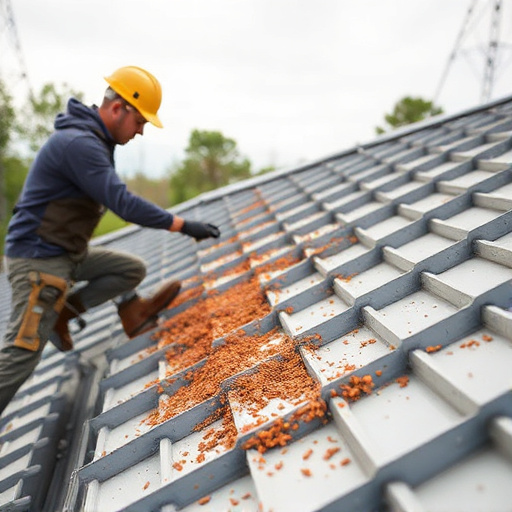
Proper metal roof maintenance is crucial for prolonging its lifespan and ensuring optimal performance, especially in the demanding Oro Valley climate. One of the most effective strategies for natural maintenance involves addressing key aspects like noise reduction, expansion, and fastener care. These considerations are particularly important for standing seam metal roofs, which are popular for their durability and aesthetic appeal.
Noise control is a significant benefit of well-maintained metal roofs. When installed correctly, a standing seam metal roof can significantly reduce noise transmission, making it an excellent choice for homes in areas with busy streets or neighboring properties. Over time, however, loose screws or panels can create rattling sounds, especially during inclement weather. Regular inspections and tightening of fasteners, particularly at the ridge vent, can prevent these issues. The ridge vent matters in ventilating the roof cavity, but its proper function is essential to avoid noise-inducing air movement.
Expansion and contraction are inherent properties of metal, especially in varying temperature conditions. Stone coated steel panels, known for their superior durability, expand and contract less than traditional metal due to their advanced coating technology. Nevertheless, this thermal expansion can lead to panel misalignment or even leaks at the metal panel laps if not managed correctly. An experienced Oro Valley roof specialist recommends periodic inspections to ensure proper fastener tension and panel alignment, preventing potential water intrusion. A slight adjustment in fastener tension during the cooler months can help compensate for expansion and maintain a secure seal.
Natural maintenance also involves proactive care for fasteners, which are often overlooked but critical. Rust on metal roofs, accelerated by high humidity, can weaken screws and bolts, leading to loose panels. Using Kynar-coated fasteners and regularly inspecting for signs of corrosion can mitigate this issue. Checking for loose screws and tightening them, especially in areas prone to strong winds or hail, is essential to maintain the roof's integrity. The local Homeowners Associations (HOAs) in Oro Valley often have guidelines for metal roof maintenance, ensuring not only aesthetic appeal but also structural soundness.
Frequently Asked Questions About an explainer on noise, expansion and fastener care on metal roofs
What is the primary cause of noise in metal roofs?
Metal roofs can become noisy due to a few key factors. First, the expansion and contraction of metal under temperature fluctuations can cause panels to rattle against each other or the roof structure. Second, loose or corroded fasteners, like nails or screws, can allow panels to shift, creating a rattling sound. Finally, poor installation or a lack of proper sealing can let in wind and rain, further exacerbating noise issues.
How does expansion and contraction of metal impact roof noise?
Metal is an inherently malleable material, meaning it expands and contracts with temperature changes. This movement can cause metal roof panels to shift slightly, leading to rattling or creaking sounds, especially in areas with significant temperature differentials between day and night. Proper fastener placement and regular maintenance can mitigate these effects.
What are the signs that my metal roof fastenings need maintenance?
Corrosion, rust, and loose nails or screws are clear indicators that your metal roof fastenings require maintenance. You may also hear rattling sounds or notice panels that are not securely fastened. Regular inspections, especially in areas prone to extreme weather, can help catch these issues early, preventing more serious damage.
How do I properly maintain the fasteners on my metal roof?
Regular cleaning and inspection are crucial. Remove any debris or corrosion from fasteners using a wire brush or power washer. Tighten any loose nails or screws using the appropriate tool. In areas prone to corrosion, consider using rust-resistant fasteners and applying a protective coating to existing fasteners.
What should I do if my metal roof is particularly noisy?
If noise is a persistent issue, consult with a licensed metal roofing contractor. They can inspect your roof for any structural problems, loose fasteners, or installation errors that may be contributing to the noise. They can also offer solutions, such as re-fastening panels, adding sound-dampening underlayment, or replacing damaged or faulty components.
As we've explored the intricacies of metal roof maintenance, several key insights emerge for prolonging the lifespan and performance of these durable structures. First, understanding the natural noise patterns and addressing them proactively is crucial. Second, managing the expansion and contraction of metal, accounting for thermal expansion, prevents damage from loose screws or leaks at panel laps. Third, meticulous fastener care ensures secure installations that can withstand the rigors of the local climate, including hail and lightning. By implementing these practical steps-such as regular inspection, appropriate fastener types, and approved underlayments-homeowners and contractors alike can foster natural maintenance, enhancing the resilience and resale value of metal roofs in Oro Valley and beyond.
Summary:
Metal roof maintenance is crucial in Oro Valley's climate, addressing noise, expansion, and fastener care. Standing seam metal roofs require strategic fastener placement and ridge vents to minimize noise from thermal expansion. Proper fastener spacing and high-quality washers prevent excessive stress and panel movement. Regular inspections and tightening of fasteners, especially during monsoon winds, ensure the roof's longevity. Using rust-resistant materials and checking for loose screws prevent leaks and structural issues. Local building codes and HOA guidelines should be followed for compliance and aesthetic appeal.