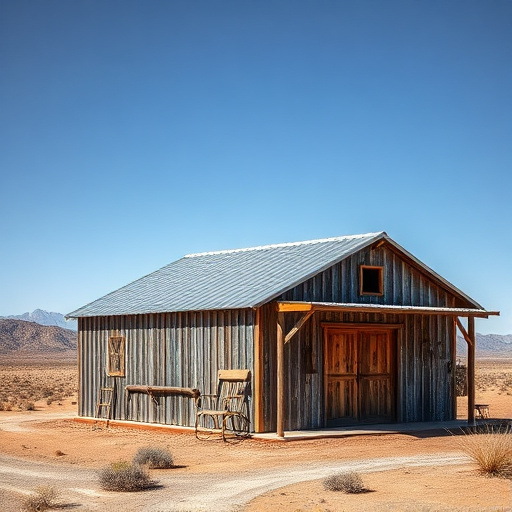
In the arid climate of standing seam, leaks at metal panel laps pose a significant concern for homeowners. Metal roofing, despite its durability and aesthetic appeal, demands meticulous installation and ongoing maintenance. Understanding the true cost and long-term value of metal roofs is crucial for informed decision-making. This article offers a plain language guide to navigating the financial landscape of metal roofing, examining installation, performance, maintenance, and safety considerations. By the end, you'll have a comprehensive view of metal roof costs, leaks prevention, and its enduring value in Oro Valley homes, empowering you to make a confident choice for your property.
- Understanding Metal Roof Costs: Breakdown and Factors
- Long-Term Performance: Metal vs. Traditional Roofs
- Preventing Leaks: Key Considerations at Metal Panel Laps
- Return on Investment: Evaluating Metal Roof's Value Over Time
Understanding Metal Roof Costs: Breakdown and Factors
Understanding Metal Roof Costs: Breakdown and Factors
When considering a metal roof for your Oro Valley home, one of the most crucial aspects is the cost-but what drives these prices, and how do you gauge the long-term value? Metal roofing offers significant advantages, from superior durability to reduced energy bills, but the upfront investment can be substantial. Let's break down the components that influence metal roof costs and discuss how to ensure a sound financial commitment.
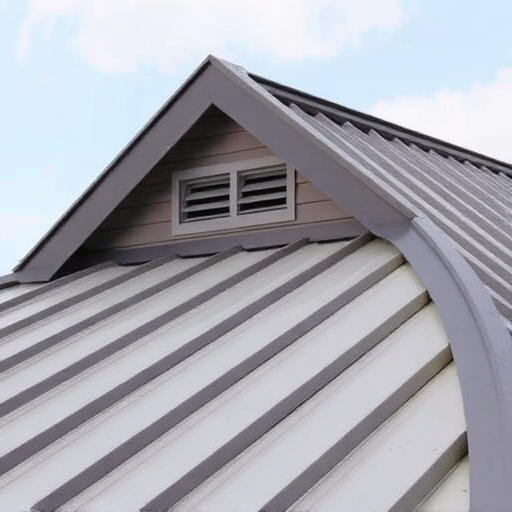
The price of a metal roof varies based on several factors. Initially, you'll pay for the materials themselves, which include a variety of metal types like aluminum, steel, or copper, each with its unique properties and cost. Aluminum is generally less expensive than copper but may not offer the same level of fire resistance. More advanced materials, like Kynar-coated panels, provide superior durability and resistance to heat, UV rays, and fading, but they come at a higher price point. Another key consideration is the roof's design: complex designs with multiple curves and custom shapes will typically cost more due to the increased labor involved in installation.
Installation techniques and the chosen method also significantly impact the final price. Traditional methods use exposed fasteners, visible from the exterior, while modern techniques employ concealed clips, offering a cleaner, more aesthetically pleasing finish. The latter option, though slightly more expensive in materials, often results in a more valuable property due to its enhanced curb appeal. The complexity of the installation process, which can be influenced by the roof's pitch, the presence of obstructions, and the overall structure's condition, plays a crucial role in pricing. A local roofing company serving Oro Valley with experience in these varied scenarios can provide accurate estimates tailored to your specific situation.
Beyond the initial costs, metal roofs offer long-term savings. They are renowned for their exceptional durability, often outlasting traditional roofing materials by decades, with minimal maintenance required. Metal roofs can significantly reduce energy bills due to their superior heat reflection capabilities, making them a smart investment for energy-efficient homes. However, it's not just about financial savings; consider the increased property value, particularly in areas prone to severe weather, thanks to the Class A fire rating and superior resistance to hail and lightning. When properly installed and maintained, metal roofs can provide peace of mind and a solid return on investment for years to come, even accounting for the higher upfront costs.
Long-Term Performance: Metal vs. Traditional Roofs
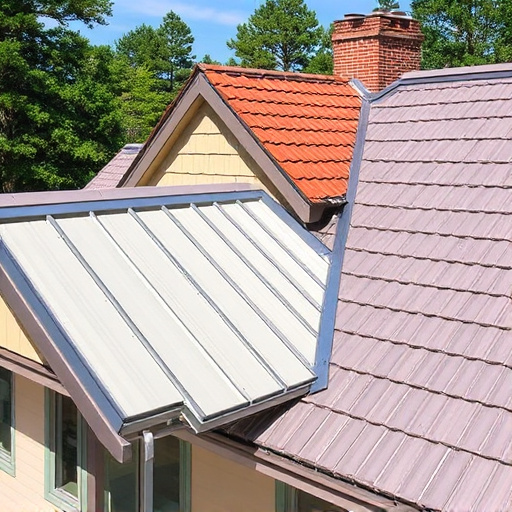
Metal roofs, especially the standing seam variety, offer a compelling long-term performance option compared to traditional roofing materials. One of the most significant advantages is their durability and resistance to leaks at metal panel laps. These roofs are designed with concealed clips, which not only provide a sleek, aesthetic appeal but also strengthen the overall structure, minimizing the risk of water intrusion at joints. This is particularly important in regions prone to heavy rainfall or snowmelt, like Oro Valley, where water can seep into the smallest of gaps, leading to costly repairs over time.
When comparing metal to traditional roofs, consider the issue of thermal expansion. Metal expands and contracts with temperature fluctuations, which can cause stress at the roof's components. However, modern metal roofing systems are engineered to accommodate this movement, often with flexible underlayments and sealing mechanisms. In contrast, traditional roofs may require more frequent repairs due to thermal expansion-related issues, such as loose shingles or damaged flashing, especially in extreme weather conditions.
A roofing contractor serving Oro Valley and Marana may recommend metal roofs for their longevity and low maintenance. While the initial installation cost can be higher, metal roofs often outlast their traditional counterparts, reducing the need for frequent replacements. Many metal roof systems come with warranties of up to 50 years, providing peace of mind and potential savings on future repairs. Kynar coated panels, known for their superior resistance to UV rays and corrosion, can maintain their integrity for decades with proper maintenance.
To ensure the best performance, homeowners should consider the local Home Insurance Companies and HOA architectural review processes. Some HOAs have specific guidelines for roof materials, and metal roofs may require an architectural review to ensure compliance. This process ensures that the roof meets structural and aesthetic standards, preventing future disputes. Regular maintenance, such as cleaning and inspecting the roof for loose screws or signs of rust, is crucial to prolonging the life of any roofing system, metal or otherwise.
Preventing Leaks: Key Considerations at Metal Panel Laps
Preventing leaks at metal panel laps is a critical consideration for any standing seam metal roof installation, particularly in the Oro Valley climate. These laps, where two metal panels meet, are vulnerable points that, if not sealed properly, can lead to water intrusion and costly repairs. In fact, many leaks in metal roofs originate from these laps, making their installation and maintenance paramount.
In the arid environment of Rancho Vistoso, where temperatures fluctuate significantly between day and night, metal panels expand and contract. This thermal expansion and contraction can cause laps to open, creating spaces for water to seep in. Corrugated panels, while strong, are especially susceptible to these gaps if not installed with precise alignment and robust sealing. The use of Kynar 500-coated panels, known for their superior resistance to weathering and UV degradation, can mitigate these risks, but proper lap sealing remains crucial.
A licensed Oro Valley area roofing contractor recommends several strategies to prevent leaks at metal panel laps. First, ensure the panels are installed with a slight overlap, allowing for a robust seal at the lap. This involves precise cutting and fitting of each panel. Second, employ high-quality, flexible sealants designed for metal roofing. These sealants fill gaps and remain effective in extreme temperatures. Lastly, consider using hidden fasteners, which secure panels together while minimizing the potential for water to enter through the laps.
Regular maintenance, including inspecting laps for signs of wear or damage and reapplying sealants as needed, is essential for long-term performance. By addressing leaks at metal panel laps, homeowners can enjoy the many benefits of a standing seam metal roof, including durability, low maintenance, and energy efficiency, for years to come.
Return on Investment: Evaluating Metal Roof's Value Over Time
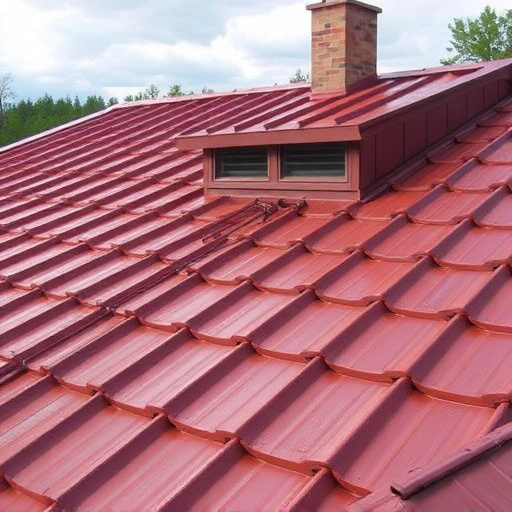
The long-term value of a metal roof, like a standing seam design, extends far beyond its initial cost. When evaluating the return on investment (ROI) for a metal roofing system, homeowners in Oro Valley should consider the structural integrity, durability, and longevity it offers, especially during the area's monsoon winds. Metal roofs, when installed correctly, can provide exceptional protection against leaks at metal panel laps, a common concern in regions with frequent storms.
DC Roofing of Arizona, a licensed Oro Valley roofer, has seen firsthand the benefits of metal roofing. Unlike traditional materials, metal roofs are resistant to damage from hail and can withstand extreme weather conditions, including high winds and heavy rainfall. A well-installed metal roof with neoprene washers and exposed fasteners can last three times longer than asphalt shingles, which typically require replacement every 15 to 20 years. This extended lifespan translates to fewer repairs and replacements, saving homeowners significant costs over time.
The initial investment in a metal roof may seem high, but it's a strategic decision. With proper maintenance, a metal roof can provide several decades of service. This longevity not only reduces the need for frequent repairs but also offers peace of mind, knowing that your roof is a reliable barrier against the elements. When it comes time to sell, a metal roof can be a desirable feature, potentially increasing the resale value of a home, as it is considered a high-quality, low-maintenance upgrade.
Frequently Asked Questions About a plain language look at metal roof costs and long term value
What is the typical cost range for a metal roof installation? Metal roofs are a premium option, reflecting their durability and low maintenance. Costs can vary widely depending on the type of metal (aluminum vs. Steel vs. Copper), roof size, complexity of the installation, and local labor rates. Most installations range from $10 to $30 per square foot, or approximately $110 to $330 per square meter. A typical residential metal roof replacement could cost $5,000 to $20,000 or more.
How long do metal roofs last? With proper installation and maintenance, metal roofs can last 30 to 60 years or more. This longevity is one of the key reasons for their high return on investment.
Are metal roofs more fire-resistant than traditional shingles? Yes, metal roofs are generally more fire-resistant than asphalt shingles. Metal is a non-combustible material, while asphalt shingles can easily ignite and contribute to the spread of fire.
Do metal roofs handle extreme weather well? Absolutely. Metal is a strong, flexible material that can withstand high winds, heavy snowfall, and extreme temperature fluctuations. It's an excellent choice for regions prone to severe weather.
Are metal roofs more expensive to insure than traditional roofs? Often, insurance companies offer lower premiums for homes with metal roofs because of their superior fire resistance and longevity. However, individual insurance rates depend on various factors beyond roof material, so it's best to check with several providers.
How do I know if a metal roof is right for my home?
Consider your budget, climate, home style, and personal preferences. Consult with a licensed roofer like DC Roofing of Arizona to discuss your specific needs and get a detailed estimate. They can help determine if a metal roof is the best long-term investment for your property.
As we've explored the world of metal roofing in Oro Valley, several key insights emerge. Metal roofs, like standing seam or stone coated steel panels, offer a superior long-term performance compared to traditional roofing materials. Their durability, resistance to extreme weather conditions, including hail and lightning, and excellent heat reflection can lead to substantial energy savings. Proper installation and regular maintenance, such as addressing leaks at metal panel laps, ensure these roofs last for decades.
While the initial cost of metal roofing can be higher, the long-term value is evident. With minimal maintenance, metal roofs can provide a significant return on investment, outlasting many traditional options. Consider the environmental benefits, too: metal roofing can contribute to a home's energy efficiency and reduce noise from rain, enhancing comfort.
Practical next steps include consulting local experts, like DC Roofing of Arizona, to understand the best type of metal roof for your Oro Valley home. Ensure your contractor is experienced in addressing leaks at metal panel laps to maintain the roof's integrity. Check with your local Homeowners Association (HOA) to ensure compliance, as many have specific guidelines for metal roofing. By balancing upfront costs with long-term benefits, you'll make an informed decision that enhances your home's value and stands the test of time.
Metal roofs in Oro Valley offer exceptional long-term value. They are durable, require minimal maintenance, and can significantly reduce energy bills. Key cost factors include material type, design complexity, installation methods, and local conditions. Standing seam metal roofs, when installed properly, prevent leaks at metal panel laps, a common issue in areas with extreme weather. Initial costs are higher, but metal roofs can last 3 times longer than traditional materials, increasing home value and saving on future repairs. Regular maintenance and compliance with local regulations ensure optimal performance.