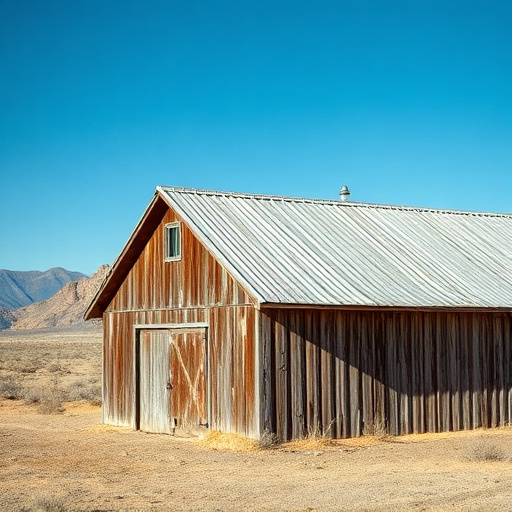
In the arid landscape of standing seam, where the sun's rays can be intense and monsoon storms bring a deluge, a robust roofing solution is paramount. Traditional roofing materials often fall short in this harsh environment, leading to costly repairs and premature replacements. Metal roofing, however, offers a durable, long-lasting alternative. When considering metal over existing roofs, homeowners and builders discover a resilient option that performs admirably against the elements, from the scorching desert sun to intense rainfall and even hail. This article examines how metal roofing excels in these conditions, providing a reliable shield for any Oro Valley structure.
- Metal Roofing: Desert Sun Protection Explained
- Heat Management: Metal's Role in Hot Climates
- Monsoon Storms: How Metal Stands Up to the Test
- Upgrading with Metal: Natural Transition for Existing Roofs
Metal Roofing: Desert Sun Protection Explained
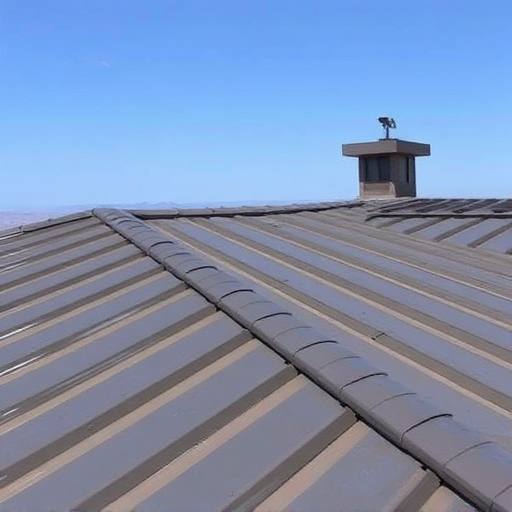
Metal roofing offers superior protection against the harsh desert sun and its accompanying challenges, making it an ideal choice for homeowners in Oro Valley. When considering a new roof or replacing an existing one, an experienced Oro Valley roof specialist can guide you in understanding the benefits of metal over traditional materials, especially in a climate like this region's.
The key to metal roofing's effectiveness lies in its reflective properties. Stone coated steel, a popular choice for its durability and aesthetics, is often coated with PVDF (polyvinylidene fluoride), a material known for its exceptional heat reflection. This coating acts as a shield, reflecting the intense desert sun and reducing the heat transfer into the home. Unlike asphalt shingles, which can become hot to the touch, metal roofing stays cool, contributing to energy efficiency and lower cooling costs.
One of the design features that enhances this effect is the use of concealed clips, which fasten the metal panels to the roof structure. Unlike exposed fasteners, these clips provide a clean, seamless look while ensuring strong, secure attachment. This construction detail, combined with the reflective coating, helps to mitigate the "urban heat island" effect, keeping your home comfortable even on the hottest days. This type of roofing is less prone to damage from intense sunlight and heat, extending its lifespan and providing long-term value.
Heat Management: Metal's Role in Hot Climates
In the scorching heat of the desert sun, efficient heat management is crucial for any structure. Metal roofing, when installed properly, matters in keeping homes cool during the intense summer months. This is particularly important in regions like Oro Valley, where extreme temperatures can be a daily reality.
One of the key advantages of metal over existing roofs in such climates is its superior solar reflectance. Materials like Kynar 500, a highly durable PVC coating, reflect a significant portion of the sun's heat, significantly reducing the amount of warmth transferred to the building below. This is especially beneficial for homes with dark-colored roofs, which can absorb a great deal of heat. By reflecting the sun's rays, metal roofing helps maintain a comfortable indoor temperature, reducing the need for excessive air conditioning. A licensed Arizona roofer might recommend a Kynar-coated metal system for clients looking to lower their energy bills and improve their home's thermal efficiency.
Metal roofing's ability to manage heat extends beyond its reflective properties. The reflective surface helps to reduce the overall temperature of the roof, which in turn minimizes the heat transfer through conduction. This is particularly effective during monsoon seasons when high winds and heavy rainfall are common. Unlike traditional materials that can become hot to the touch and contribute to a warmer indoor environment, metal roofs remain relatively cool, even during the hottest parts of the day. This is a significant advantage during storms, as it can help prevent the formation of dangerous lightning strikes, which are more likely to occur in hot, electrically charged atmospheres.
When considering a metal roof, property owners in Oro Valley should consult with local roofing contractors who understand the region's unique challenges. These experts can guide homeowners through the process of choosing the right panel gauge and finish, ensuring the roof not only withstands the extreme heat and monsoon storms but also contributes to a more energy-efficient and comfortable living space.
Monsoon Storms: How Metal Stands Up to the Test
Monsoon storms in the desert present unique challenges for any roofing system. Metal roofing, when properly installed, offers exceptional resilience against these intense weather events. Let's explore how this durable material performs when faced with the specific demands of Oro Valley's monsoon season.
One of the key advantages of metal over existing roofs in this region is its ability to withstand the high winds and intense rainfall associated with monsoon storms. The rigid structure of metal panels, often constructed with Galvalume or Kynar-coated materials, resists the forces that can cause damage to more fragile roofing materials. When a powerful gust hits, the standing seam design flexes slightly, allowing excess wind pressure to escape, and preventing the kind of lift that could lead to roof failure. This is especially important in areas with strict building codes, like Oro Valley, where local regulations, such as those enforced by the Oro Valley Building Department, mandate safe construction practices.
Proper installation techniques play a vital role in ensuring the long-term performance of metal roofs during monsoon storms. Using neoprene washers at the panel joints adds a crucial layer of protection against water intrusion, a common concern with any roofing system in heavy rainfall. These washers seal the joints, preventing water from seeping in and causing leaks, a potential issue that could lead to costly repairs. A licensed Oro Valley area roofing contractor can implement these techniques, ensuring a robust and secure installation. Ridge vents, when properly integrated into the metal roof system, help regulate internal temperatures and reduce the risk of wind damage to the roof's edges, common points of failure during intense storms.
Regular maintenance, tailored to the unique demands of the desert environment, is another key to keeping a metal roof in top condition during monsoon season. This includes inspecting for loose screws and ensuring the underlayment remains intact. By addressing any issues early, homeowners can extend the lifespan of their metal roofs, enhancing their resilience against the forces of nature.
Upgrading with Metal: Natural Transition for Existing Roofs
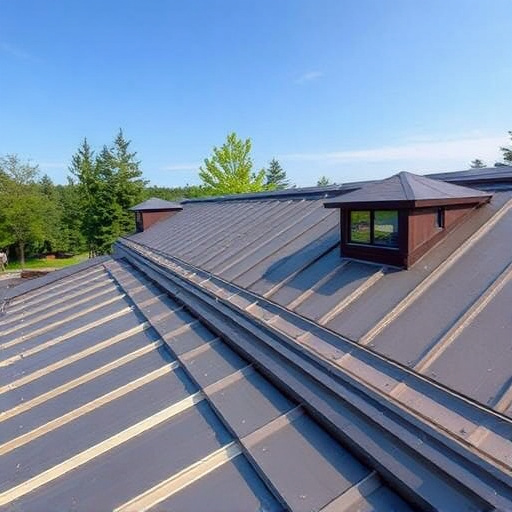
Many homeowners in Oro Valley are considering upgrading their roofs to metal, especially as they approach the time for a replacement. One of the most effective and efficient options is to install metal over existing roofs. This approach offers several advantages, especially when facing the region's unique challenges: the intense desert sun, high heat, and monsoon storms.
An experienced Oro Valley roof specialist can guide homeowners through this transition, ensuring the new metal roof complements the existing structure and complies with local regulations. The Oro Valley Building Department and local Homeowners Associations (HOAs) often require architectural reviews for such projects. However, the right installer can navigate these processes seamlessly, ensuring your metal roof not only meets but exceeds the required standards. The key to a successful installation lies in understanding the property's existing structure and the specific demands of the Oro Valley climate.
Metal roofing is renowned for its exceptional solar reflectance, a critical factor in desert environments. The reflective surface helps dissipate heat, keeping the home cooler. This is particularly beneficial during the intense summer months. Choosing the right panel gauge is essential. Thicker panels, often coated with Kynar, offer superior durability and resistance to weathering, ensuring the roof lasts for decades. This is a crucial consideration when planning for the long-term benefits of a metal roof.
When installed correctly, metal over existing roofs can provide a seamless, modern aesthetic, enhancing the home's curb appeal. It offers peace of mind, knowing your roof is designed to withstand the region's harsh weather patterns, from scorching sun to sudden rainstorms and monsoon winds.
Frequently Asked Questions About an explainer on how metal roofing handles desert sun, heat and monsoon storms
What is the advantage of metal roofing in a desert climate?
Metal roofing excels in desert environments due to its exceptional heat resistance. Unlike traditional materials, metal does not absorb and retain heat from the sun, significantly reducing the interior temperature of buildings. This property helps lower cooling costs and creates a more energy-efficient structure. Metal roofing's durability and longevity make it a superior choice against the harsh desert conditions, including intense sunlight and wind.
How does metal roofing protect against intense sunlight?
The reflective properties of metal roofing are key to its effectiveness in desert regions. The reflective surface directs sunlight away from the building's interior, reducing heat gain. This is especially important during the long, hot days of summer. By minimizing the sun's impact, metal roofing contributes to a more comfortable living environment and can decrease the load on air conditioning systems.
Can metal roofing withstand monsoon storms?
Absolutely. Metal roofing is engineered to resist the most extreme weather conditions, including heavy rainfall and strong winds common during monsoon storms. Its seamless design and strong attachment ensure it can withstand high winds without damage. Metal roofing is highly durable and resistant to leaks, providing peace of mind during unpredictable weather patterns.
Is metal roofing a good investment for desert homeowners?
Metal roofing offers a compelling investment for desert homeowners. Its longevity and low maintenance requirements mean fewer repairs and replacements over the long term. The energy savings from reduced heat gain can lead to significant utility bill reductions. Metal roofing can increase a property's value, making it a desirable feature for potential buyers.
Are there any specific considerations for installing metal roofing in a desert area?
While metal roofing is versatile, installation requires careful consideration of local conditions. Factors like extreme temperatures and UV exposure might impact the choice of metal alloy and finish. Local building codes and regulations should also be followed. DC Roofing of Arizona, a licensed Oro Valley area roofing contractor, specializes in these installations, ensuring proper fit and performance in the unique desert climate.
How does metal roofing compare to traditional materials in desert regions?
Compared to traditional materials like asphalt shingles, metal roofing offers superior performance in desert regions. Asphalt shingles can be damaged by extreme heat, UV radiation, and strong winds, leading to premature replacement. Metal roofing, in contrast, remains durable and maintains its integrity, providing long-term protection against the harsh desert environment.
For safeguarding your Oro Valley home against the region's unique challenges, metal roofing stands as a resilient and strategic choice. We've explored how metal excels in protecting against intense desert sun, managing scorching heat, and withstanding the forces of monsoon storms. We've highlighted the seamless transition of installing metal over existing roofs, ensuring minimal disruption and maximum efficiency.
By understanding the performance, durability, and adaptability of metal roofing, homeowners can make informed decisions. Whether replacing an old roof or installing a new one, metal offers a long-lasting solution that aligns with the region's harsh climate. With the right installation and maintenance, as backed by local professionals like DC Roofing of Arizona and recommended by the Oro Valley Building Department and Home Insurance Companies, metal roofs can enhance a home's value and provide peace of mind for years to come.
Next steps for homeowners include consulting with experienced local roofers to determine the best metal panel gauge for their needs and exploring Kynar-coated panels for superior heat reflection and resistance to fading. Regular maintenance, including checking for loose screws and rust, will ensure the roof remains a protective shield against the desert sun, heat, and storms.
Metal Roofing in Oro Valley: A Practical guide
Metal roofing offers superior protection against the harsh desert sun and conditions, making it ideal for Oro Valley homes. It reflects heat, reduces cooling costs, and is less damaged by intense sunlight and heat. Key benefits include:
- Reflective Coating: Stone coated steel with PVDF (polyvinylidene fluoride) coating reflects heat, keeping homes cool.
- Seamless Installation: Concealed clips provide a clean look and strong attachment, reducing the "urban heat island" effect.
- Durability: Materials like Kynar 500 and Galvalume resist heat and weather, enhancing thermal efficiency.
- Monsoon Storm Resistance: Proper installation with neoprene washers and ridge vents ensures resilience against high winds and rainfall.
- Longevity and Value: Metal roofs last decades, offering peace of mind and enhancing curb appeal.
Consult a local, licensed Oro Valley roofer for expert guidance on installing metal over existing roofs, ensuring compliance with regulations and maximum benefits.