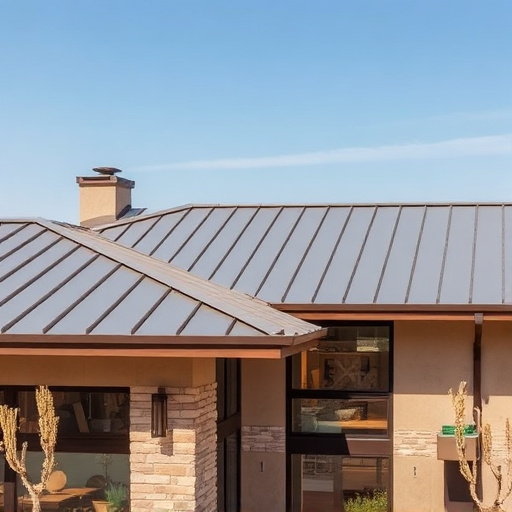
In the foothills of Tucson, where homes blend into the desert landscape, choosing the right roofing material is crucial. Metal roofs, known for their durability and low maintenance, have gained popularity. However, selecting the right color, coating, and understanding HOA approval processes can be challenging. Homeowners often worry about the aesthetics, especially the visual impact of metal's reflective nature and how it interacts with the local climate. Noise from rain on metal, thermal expansion concerns, and rust potential are valid considerations. This article provides expert guidance on navigating these challenges, ensuring you make an informed decision for your home's long-term value, while adhering to local regulations and community expectations.
- Choosing Metal Roof Colors: HOA-Approved Options for Foothills
- Understanding Coatings: Protecting Your Metal Roof from Elements
- Navigating HOA Approval: Tips for Getting Your Metal Roof Installed
- Metal Roof Noise in Rain: Mitigation Strategies for Peaceful Foothills
Choosing Metal Roof Colors: HOA-Approved Options for Foothills
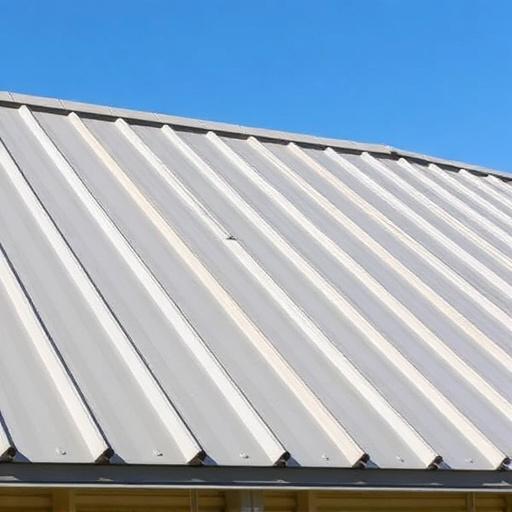
When choosing a metal roof color, homeowners in Oro Valley and Marana often consider how it will blend with the natural landscape and complement their home's architecture. But an often-overlooked aspect is how different colors and coatings can affect the sound of rain on the roof-a factor that can be particularly important in our windier months. A dark-colored metal roof can amplify the sound of raindrops, creating a noticeable noise that may not be desirable. Lighter colors, on the other hand, can absorb more of the sound, offering a calmer auditory experience during monsoon season.
HOA approval is another critical consideration. In Foothills communities, Homeowners Associations often have strict guidelines on exterior aesthetics, including roof color and material. To avoid delays or fines, it's essential to choose a color that aligns with the HOA's regulations. A roofing contractor serving Oro Valley and Marana can provide guidance on approved colors and help navigate any necessary permits.
When selecting a metal roof, the panel gauge-or thickness-is crucial. Thicker panels offer better durability and longevity, but they can also be heavier and more costly. Lighter-gauge panels might be a better choice for homes without structural issues, as they're easier to install and can be less disruptive during the construction process. Consider the benefits of neoprene washers, which can enhance the overall performance of the roof by providing a superior seal at the panel joints, reducing the risk of leaks and improving resistance to high winds.
The best metal roof color is one that balances aesthetic preferences, functional considerations, and HOA requirements. By understanding the impact of color on sound, choosing the appropriate panel gauge, and considering the added benefits of quality washers, homeowners can make an informed decision that ensures their metal roof stands the test of time and the elements.
Understanding Coatings: Protecting Your Metal Roof from Elements
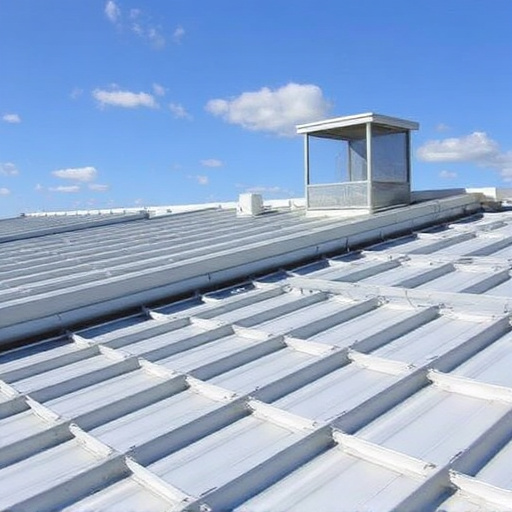
When choosing a metal roof, understanding coatings and their role in protecting your investment from the elements is crucial, especially in the foothills of Oro Valley and Marana. Metal roofs, while renowned for their durability, are susceptible to damage from UV exposure, extreme temperatures, and precipitation. A key consideration is the type of coating and finish applied to the metal panels, which not only enhances aesthetics but also matters in safeguarding against issues like rust, fading, and-a concern specific to our region-metal roof noise in rain.
Coatings can be broadly categorized into two types: polymeric and ceramic. Polymeric coatings, often made from materials like polyurethane or epoxy, offer excellent adhesion, flexibility, and a wide range of colors. They also provide some degree of solar reflectance, helping to keep your home cooler and potentially reducing energy costs. Ceramic coatings, typically made from inorganic compounds like Kynar, are known for their superior durability and resistance to extreme weather conditions. They offer a high level of heat reflection, which can be particularly beneficial in our desert climate.
Choosing the right coating for your metal roof involves considering factors like climate, aesthetic preferences, and budget. If you reside in an area prone to heavy rainfall, a coating with superior water resistance, like Kynar, might be a prudent choice. Concealed clip fastening systems, which are securely attached to the roof's underlying structure, further enhance a metal roof's durability and can mitigate issues like loose screws and leaks at metal panel laps. When selecting a roofing contractor serving Oro Valley and Marana, ensure they have experience with various coating options and can guide you based on your specific needs.
Remember, the right coating is an essential component of a well-installed and long-lasting metal roof. It not only improves the roof's performance but also preserves its beauty and value for years to come.
Navigating HOA Approval: Tips for Getting Your Metal Roof Installed
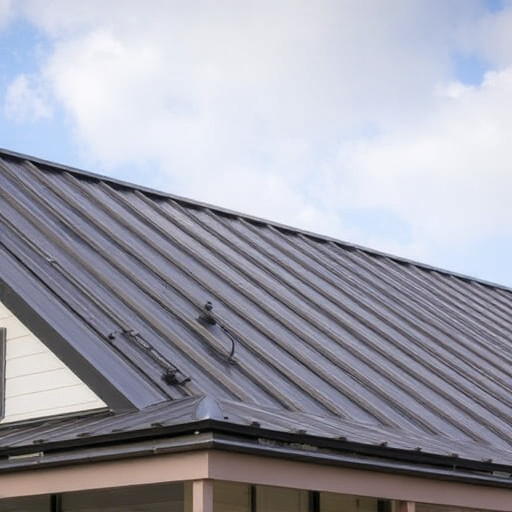
Navigating HOA Approval: Tips for Installing Your Metal Roof in the Foothills
Homeowners in the scenic foothills surrounding Tucson often seek durable and aesthetically pleasing roofing solutions. Metal roofing, known for its longevity and low maintenance, is a popular choice. However, navigating the approval process with your homeowners association (HOA) can be a hurdle. Here's a guide to help you understand the nuances of metal roof approval and make the installation process smoother.
For metal roof noise in rain, many HOAs have specific concerns, primarily related to aesthetics and community harmony. To address these, consider using advanced coating technologies. Polyvinylidene Fluoride (PVDF) coatings, like Kynar, offer exceptional durability and a wide range of colors while enhancing the reflective properties of metal, potentially reducing heat absorption. Galvalume, a zinc-aluminum alloy, is another option known for its corrosion resistance and can provide a subtle, natural look. Some HOAs may prefer the appearance of corrugated metal panels, which offer both strength and a unique visual appeal, easing concerns about noise or aesthetics.
Before submitting your application, familiarize yourself with the HOA's guidelines and regulations. Some associations have specific requirements for metal roof colors and finishes to ensure they align with the community's aesthetic standards. It's crucial to present a detailed proposal that addresses these concerns. You could highlight the use of a PVDF coating in a neutral, earth-toned shade, which can effectively mimic the look of traditional roofing while providing the benefits of metal. Engaging a roofer with an Arizona ROC license who understands local codes and HOAs can significantly improve your chances of approval. They can offer expert advice tailored to your specific HOA and ensure your installation complies with all regulations.
Metal Roof Noise in Rain: Mitigation Strategies for Peaceful Foothills
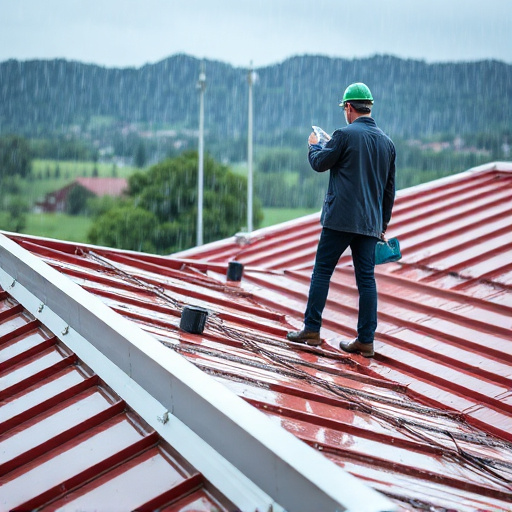
In the serene, often dry climate of the foothills, choosing a metal roof can bring a unique challenge: mitigating metal roof noise in rain. This is especially important in densely populated areas where sound can travel between properties, affecting peace and tranquility. The first step in addressing this issue is understanding the source of the noise, which is typically the result of rain hitting the metal's surface and creating a resonance effect. This phenomenon is more pronounced with certain materials and finishes.
Kynar 500 coated panels, for instance, are renowned for their durability and resistance to thermal expansion, but they can still produce noise if not properly installed or if they become loose over time. Similarly, R-panel systems, known for their low cost and versatility, can create a noticeable ringing sound when exposed to heavy rainfall. To combat this, a licensed Oro Valley area roofing contractor recommends securing the panels tightly and using specialized fastening techniques that distribute the sound waves more evenly. This includes hidden fasteners, which can significantly reduce noise levels compared to exposed ones.
Regular maintenance also plays a crucial role in minimizing metal roof noise in rain. Checking for loose screws or panels during seasonal changes, especially after storms, can prevent sudden noise spikes. Applying a high-quality, noise-dampening underlayment beneath the metal can act as a buffer, absorbing some of the sound energy. Homeowners should be aware that while these measures can greatly reduce the problem, complete elimination of metal roof noise in rain may not be feasible, especially in close-knit neighborhoods. Nevertheless, with the right choices in materials, installation, and maintenance, you can enjoy the many benefits of a metal roof while keeping peace of mind.
Frequently Asked Questions About advice on metal roof colors, coatings and HOA approval in the foothills
What are the most popular metal roof colors for homes in the foothills?
In the foothills, where natural landscapes often inspire design choices, neutral tones like charcoal, dark gray, and earthy browns are popular for metal roofs. These colors blend well with surrounding environments, from desert sceneries to mountainous landscapes. While trends change, these hues consistently rank high for homeowners seeking both functionality and aesthetic appeal.
How do I choose the right coating for my metal roof?
The choice of coating depends on your desired level of protection, climate, and aesthetics. For areas with high UV exposure, like the foothills, a coating with strong UV resistance is crucial. Consult a professional for recommendations based on your specific roof material and local conditions. Remember, a quality coating isn't just about aesthetics; it's an investment in your home's longevity.
Do I need special approval from my HOA for a metal roof?
HOA rules vary widely. Some have strict guidelines regarding exterior aesthetics, which might include roof color or material. Always check your HOA's covenant, conditions, and restrictions (CC&Rs) before making any decisions. If your desired metal roof isn't explicitly prohibited, consider proposing a design that aligns with your community's overall aesthetic. Open communication with your HOA board is key to a smooth approval process.
Are metal roofs more expensive than traditional shingles?
While initial installation costs can be higher, metal roofs often offer long-term savings. They're durable, require less maintenance, and have a longer lifespan than asphalt shingles. Factor in potential energy savings from their reflectivity, and they can be a cost-effective option in the long run, especially in areas prone to severe weather.
How long does a metal roof last?
Metal roofs are known for their longevity, typically lasting 25-30 years or more with proper maintenance. Coating choices play a significant role in extending their lifespan. In the foothills, where environmental factors can be harsh, a quality coating can protect your roof from corrosion and damage, ensuring it remains in excellent condition for decades.
Choosing a metal roof for your home in the foothills requires careful consideration of color, coatings, and community approval. The article highlights several key insights. First, when selecting a color, opt for neutral shades approved by your local Homeowners Association (HOA). Second, understand the protective benefits of different coatings, such as Kynar-coated panels, which offer superior heat reflection and fade resistance.
Navigating HOA approval is crucial. Researching local guidelines and working with a reputable installer who understands the process can streamline the installation. While metal roofs are known for their durability, it's important to address potential noise concerns, especially in rain. Proper flashing details and underlayment can significantly reduce metal roof noise in rain, ensuring a peaceful Foothills environment.
By incorporating these practical takeaways, homeowners can make informed decisions, ensuring their metal roofs stand the test of time while aligning with local regulations and enhancing the overall beauty and value of their properties.
When choosing a metal roof in Oro Valley and Marana, consider these key factors:
- Noise: Dark colors amplify raindrop sound; lighter colors absorb more noise.
- HOA Approval: Strict guidelines on color and material; consult a contractor for guidance.
- Panel Gauge: Thicker panels are durable but heavier; lighter gauge is easier to install.
- Coatings: Polymeric and ceramic finishes protect against UV, rust, and fading; Kynar and Galvalume offer excellent performance and aesthetics.
- Noise Mitigation: Secure panels tightly, use hidden fasteners, and maintain regular inspections to minimize metal roof noise in rain.