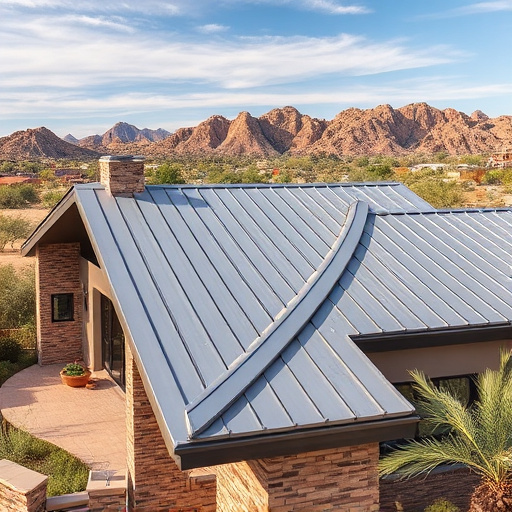
In the Oro Valley roofing landscape, the choice of material for a new or replacement roof is a crucial decision. With options ranging from traditional wood to modern metal, homeowners and contractors alike face a complex web of considerations. This article examines the specifics of three prominent metal roofing styles: standing seam, stone coated steel, and corrugated panels. We explore their unique features, performance characteristics, and visual appeal, guiding readers through the intricate details such as panel gauge explained, to ensure an informed choice that aligns with both aesthetic preferences and structural integrity. By the end, readers will grasp the nuances that set these materials apart, empowering them to make a well-informed decision.
- Understanding Panel Types: Standing Seam, Stone Coated Steel, and Corrugated
- Material Properties: Strengths and Weaknesses of Each
- Installation Considerations: Ease and Durability in Practice
- Panel Gauge Demystified: Measuring Quality and Performance
Understanding Panel Types: Standing Seam, Stone Coated Steel, and Corrugated
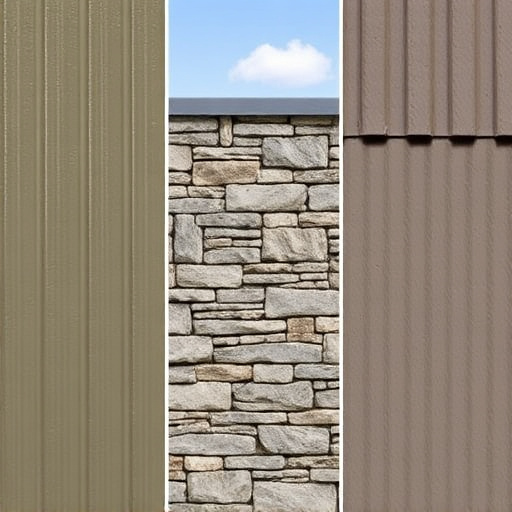
When selecting a roofing material, understanding the distinct panel types available is crucial. In Oro Valley, homeowners often consider three primary options: standing seam metal, stone coated steel, and corrugated metal. Each offers unique advantages, and a licensed Oro Valley area roofing contractor can help navigate these differences.
Standing seam metal roofs, for instance, are renowned for their sleek, low-profile design and superior durability. They feature a unique interlocking seam that creates a smooth, continuous surface, enhancing both aesthetics and structural integrity. These panels are available in various alloys, with Galvalume offering a Class A fire rating, providing excellent resistance against fire damage. The panel gauge, a measure of thickness, is a critical consideration; higher gauges provide better strength and longevity but may impact installation complexity and cost.
Stone coated steel, on the other hand, combines the strength of steel with the natural beauty of stone. These panels are known for their durability, resistance to corrosion, and a wide range of color options that mimic natural stone. The stone coating, while adding visual appeal, may not offer the same level of fire resistance as metal alloys, so it's essential to consider local building codes and HOA requirements.
Corrugated metal panels are a cost-effective alternative known for their light weight and ease of installation. Their unique corrugated structure provides excellent wind resistance and allows for efficient drainage. However, they may not offer the same level of fire protection as standing seam or stone coated steel, and their exposed fasteners can be a concern for some homeowners. Properly installed, these panels can provide a durable and visually appealing finish, especially for carports and patios.
Material Properties: Strengths and Weaknesses of Each

When comparing standing seam metal roofs, stone coated steel panels, and corrugated metal roofing, each material offers unique advantages and drawbacks based on its inherent properties. The strength-to-weight ratio of standing seam metal is superior, making it ideal for heavy-duty applications like commercial buildings and Rancho Vistoso's high-wind zones, where a Class A fire rating is crucial. These panels are also known for their exceptional durability and resistance to corrosion, ensuring a long lifespan.
Stone coated steel, on the other hand, presents an attractive alternative due to its natural stone look and excellent paintability. The coating protects the steel from rust and provides a durable, low-maintenance finish. However, it may not match the extreme weather resistance of standing seam, as the stone coating can be more susceptible to chipping or peeling over time. Corrugated metal panels, with their lightweight design and ease of installation, offer cost-effectiveness and are suitable for residential and commercial structures. Yet, they may not achieve the same aesthetic appeal or Class A fire rating as the other options.
Panel gauge, a crucial specification, refers to the thickness of the metal used. A higher gauge number indicates a thinner, lighter panel, while lower gauge numbers correspond to thicker, heavier sheets. Understanding gauge is essential for structural integrity, as it directly impacts the panel's strength and resistance to deformation. A local roofing company serving Oro Valley should always recommend gauge choices based on the specific building's needs, considering factors like wind load, fire rating requirements, and long-term performance.
Installation Considerations: Ease and Durability in Practice
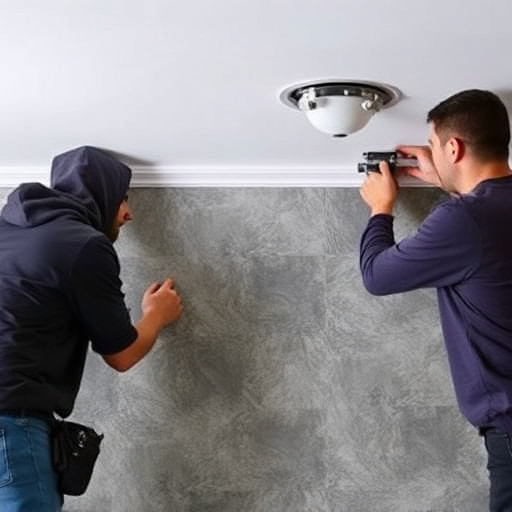
When considering the installation of a new roof, especially in a region prone to monsoons and lightning like Oro Valley, the choice between standing seam, stone coated steel, and corrugated metal panels hinges on two key factors: ease of installation and durability. Standing seam metal roofs, for instance, offer a straightforward installation process. Their design features, such as hidden fasteners and sealed joints, make them virtually maintenance-free. This is particularly beneficial in areas with harsh weather conditions, like Oro Valley's monsoon season.
However, not all metal roofs are created equal. Stone coated steel panels, while offering a durable and aesthetically pleasing finish, can be more challenging to install due to their heavier weight and the additional steps required to ensure proper drainage. Conversely, corrugated metal panels, known for their affordability and ease of installation, may not offer the same level of wind resistance as standing seam or stone coated steel. A licensed Oro Valley area roofing contractor, such as an experienced local roof specialist, can provide expert advice on the best panel gauge for your specific needs, balancing factors like wind load, snow load, and local building codes.
Consider the example of neoprene washers, a crucial component in securing metal panels. They play a vital role in preventing leaks at metal panel laps, a common point of weakness. The right panel gauge, combined with proper installation techniques, ensures these washers are properly positioned and sealed, enhancing the overall durability of the roof. This is particularly important when facing the potential threats of hail, lightning, and wildfires, which are significant concerns for Oro Valley residents. An expert roofer will also take into account the building department's requirements and local HOA approval processes, ensuring your roof installation complies with all regulations.
Panel Gauge Demystified: Measuring Quality and Performance
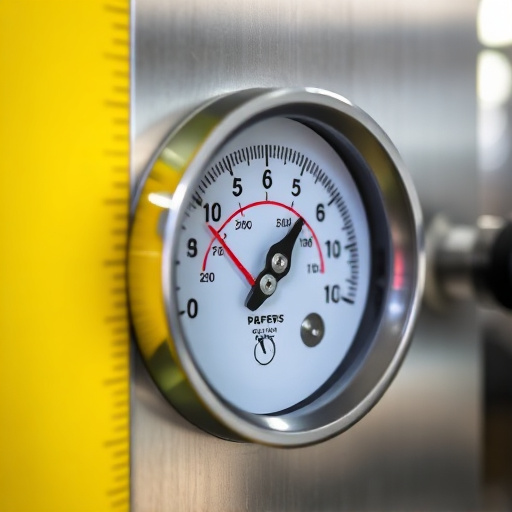
When comparing different roofing materials, one critical factor to consider is the panel gauge-a measurement of the thickness and quality of the metal panels. This specification is essential as it directly influences the roof's durability, performance, and longevity. In Oro Valley, a licensed roofing contractor will often recommend specific panel gauges based on the local climate, building codes, and aesthetic preferences.
Standing seam metal roofs, for instance, are known for their superior strength and resistance to corrosion, often featuring panel gauges as high as 26 or 28 gauge. These thinner panels are mechanically fastened to the deck, creating a sleek, low-profile look. The lower gauge number indicates higher quality and better resistance to dents and punctures, which is crucial in regions prone to storms and hail. The thin profile enhances the solar reflectance, reducing heat absorption and improving energy efficiency, a key consideration for homeowners in Oro Valley's sunny climate.
In contrast, stone-coated steel panels typically come in slightly thicker gauges, around 24 to 26, offering a more robust solution. The stone coating provides an attractive finish and added protection against rust and corrosion. One popular option is Kynar 500-coated panels, known for their exceptional durability and color retention. This advanced coating technology, applied through a high-tech process, ensures that the metal beneath remains protected even as the outer layer wears. Galvalume, another excellent choice, combines zinc, aluminum, and steel to create a panel that is highly resistant to corrosion and offers a wide range of color options.
When making a choice, homeowners should understand that a lower panel gauge doesn't always mean lower quality. Modern manufacturing processes allow for the production of lightweight, yet robust panels that meet or exceed industry standards. A 24-gauge stone-coated steel panel can provide excellent performance and durability, making it a viable option for both new construction and metal roofing over an existing structure. The panel gauge explained is a key aspect that influences the overall performance and cost of a roof system, making it a crucial consideration in any roofing project.
What is the main difference between standing seam and stone coated steel roofing?
Standing seam metal roofing features a unique, interlocking design where panels are joined by folding them at the edges, creating a seamless appearance. Stone coated steel, on the other hand, is a more traditional looking metal roof. It's made from steel sheets coated in a layer of stone chips, providing a durable and visually appealing finish. The key distinction lies in their installation and visual aesthetic.
How do corrugated panels compare in terms of durability?
Corrugated metal panels are renowned for their exceptional durability, a result of their rigid, three-dimensional design. They are highly resistant to wind, rain, and snow load, making them suitable for a wide range of climates. However, they might not offer the same level of impact resistance as some standing seam options, which feature more robust connecting mechanisms.
Which roofing option offers better value for money?
The cost of these roofing materials varies significantly. Standing seam metal roofing tends to be more expensive upfront due to its complex installation process and premium materials. Stone coated steel is generally more affordable, while corrugated panels offer an economical option, especially for larger projects. The best value depends on individual budgets, project scope, and local market prices.
Do standing seam roofs require more maintenance than the others?
Standing seam roofs, with their seamless design, are generally low-maintenance. They are resistant to rust and corrosion, and their smooth surface repels dirt and debris. Stone coated steel also requires minimal maintenance, though the stone coating may chip or fade over time. Corrugated panels also have low maintenance requirements, but their sharp edges can trap dirt and debris, requiring occasional cleaning.
Which roofing material is best for a home in a hot, dry climate?
In hot, dry climates, standing seam metal roofing is an excellent choice. Its reflective surface helps to dissipate heat, keeping the home cool and reducing energy costs. Stone coated steel can also be effective in such conditions, but its reflective properties are not as strong as standing seam. Corrugated panels, while durable, can be less energy-efficient in very hot environments.
As we've explored the nuances of standing seam, stone coated steel, and corrugated metal roofing, several key insights emerge. Each panel type offers unique advantages and considerations. Standing seam metal roofs, for instance, stand out for their superior durability and aesthetic appeal, while stone coated steel panels provide a cost-effective alternative with excellent resistance to corrosion. Corrugated metal roofing, known for its ease of installation and versatility, may be the best choice for budget-conscious projects or structures requiring a rugged look.
Understanding the material properties and panel gauge explained are crucial for ensuring long-term performance. Higher gauge numbers indicate thicker, more durable panels, directly impacting both lifespan and resistance to environmental factors. The article highlights the importance of choosing the right panel for your specific needs, factoring in climate, design preferences, and budget.
The best choice is the one that aligns with your project goals. By carefully considering the pros and cons of each type, and paying close attention to the panel gauge explained, you can ensure a durable, attractive, and long-lasting roof. Whether you're a homeowner, contractor, or building manager, this knowledge equips you to make informed decisions for your Oro Valley area roofing needs.
In Oro Valley, homeowners choose between standing seam metal, stone coated steel, and corrugated metal roofs. Each offers unique benefits: standing seam excels in durability and fire resistance; stone coated steel provides a natural stone look and corrosion protection; corrugated metal is cost-effective and easy to install. The panel gauge explained is crucial, impacting strength, weight, and installation complexity. A licensed local roofing contractor assists in selecting the right gauge for structural integrity, fire ratings, and aesthetic preferences, ensuring a durable and high-performing roof.