In the rugged landscape of standing seam metal roofs in Oro Valley, the choice of roofing material is not just about aesthetics-it's a critical decision that impacts noise reduction, structural integrity, and even fire safety, especially during the region's periodic wildfire embers. Metal roofs, with their increasing popularity, offer both durability and energy efficiency, but proper installation and maintenance are paramount. This article examines the nuanced challenges of metal roofs, focusing on noise, expansion, and fastener care, providing homeowners and contractors with essential guidance to ensure longevity and performance. By the end, you'll understand the key considerations for a robust metal roof system, from choosing the right panel gauge to preventing leaks at metal panel laps.
- Understanding Metal Roof Noise: Causes and Solutions
- Expansion and Contraction: Protecting Metal Roofs
- Fastener Care: Ensuring Fire Safety on Metal Roofs
- Wildfire Embers and Metal Roofs: Prevention and Preparedness
Understanding Metal Roof Noise: Causes and Solutions
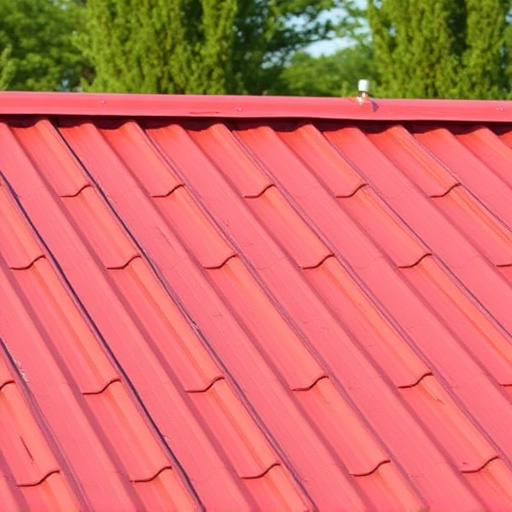
Metal roofs, while known for their durability and low maintenance, can raise concerns about noise, especially in regions prone to storms and high winds. This is a crucial consideration for homeowners, particularly in Oro Valley, where a diverse range of climates and environmental factors can impact roof performance. For metal roof noise, understanding the causes and implementing effective solutions is essential for a peaceful living environment and to avoid potential damage, especially during intense weather events like those associated with wildfire embers.
The primary culprit behind metal roof noise is the interaction between the panels and the underlying structure. Metal is a flexible material, and when subjected to varying weather conditions, it expands and contracts. This movement, coupled with the weight of the panels, can lead to creaking, popping, or ringing sounds, especially when exposed fasteners are involved. Galvalume and Kynar-coated panels, while offering superior protection, might produce more noise during extreme weather compared to uncoated alternatives. This is where the choice of fastener type becomes critical.
One effective solution to mitigate metal roof noise is to employ hidden fasteners instead of exposed ones. Hidden fastening systems, often used in commercial applications, secure panels from the inside, eliminating the potential for noise caused by fastener movement. Using a PVDF coating on fastener heads can further reduce noise by providing a smooth surface that minimizes the impact between fasteners and panels. A roofing contractor serving Oro Valley and Marana might recommend these strategies to ensure a quieter, more serene living space for their clients. Regular maintenance, including checking and tightening fasteners, can also help prevent noise issues from arising.
Addressing metal roof noise is particularly important in areas like Oro Valley, where wildland fires are a significant concern. During a fire event, embers can travel great distances, potentially igniting flammable materials on rooftops. A well-maintained, quiet metal roof can provide peace of mind, allowing homeowners to focus on safety measures without the added stress of roof-related noises that could indicate a problem. By understanding the causes of metal roof noise and implementing targeted solutions, homeowners can ensure their roofs not only stand strong against environmental challenges but also contribute to a quieter, more secure living environment.
Expansion and Contraction: Protecting Metal Roofs
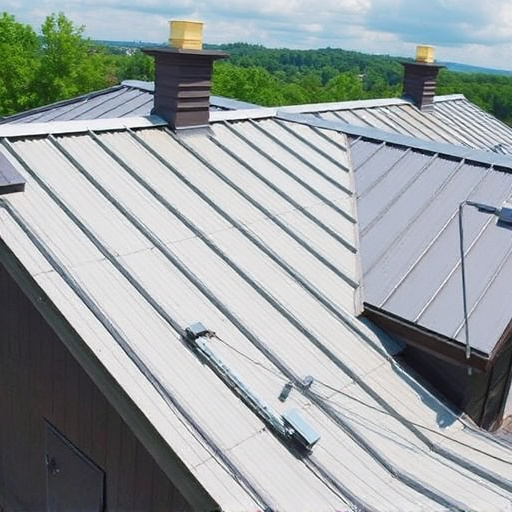
Metal roofs, particularly the standing seam variety, offer remarkable durability and resistance to the harshest environmental conditions. However, one challenge they face is the effect of thermal expansion and contraction, especially during extreme weather events like monsoons. These natural phenomena can cause metal to expand and contract, potentially leading to issues over time if not properly managed. This section examines the critical aspect of protecting your metal roof from the impacts of expansion and contraction, with a specific focus on preventing damage from wildfire embers, a significant concern in areas prone to such natural disasters.
Expansion and contraction are inherent properties of metal, and when exposed to varying temperatures, it can bend, twist, or even pull apart at joints. In the context of a metal roof, this can result in gaps, cracks, or loose fasteners. During a heatwave, the metal panels may expand, putting stress on the fastening systems, while cold snaps can cause contraction, potentially leading to rust and corrosion if not properly prepared. The standing seam design, with its interlocking panels, provides a natural defense against these issues, but thorough preparation and regular maintenance are still essential.
A key strategy to mitigate these effects is to ensure proper fastening and sealing. Fasteners should be securely fastened, and it's recommended to use rust-resistant materials, such as galvanized or hot-dip galvanized screws. Applying a protective coating like PVDF (polyvinylidene fluoride) can enhance the metal's resistance to both heat expansion and the corrosive effects of moisture. DC Roofing of Arizona, a trusted Oro Valley contractor, emphasizes the importance of these details during installation, ensuring that each joint is sealed and fastened securely. This meticulous approach is crucial, especially in areas where wildfires are a regular occurrence, as embers can reach extreme temperatures, potentially damaging exposed metal.
Regular inspection and maintenance are vital to catch any issues early. Homeowners should look for signs of loose screws, rust, or visible gaps, addressing them promptly. Local building departments and homeowner associations (HOAs) often have guidelines for metal roof maintenance, so homeowners should stay informed about best practices. By understanding and managing the natural expansion and contraction of metal, homeowners can ensure their roofs remain in top condition, even in the face of challenging weather patterns and potential environmental hazards.
Fastener Care: Ensuring Fire Safety on Metal Roofs
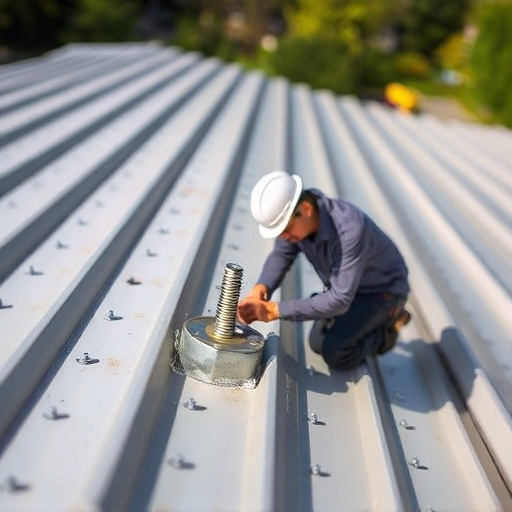
Ensuring fire safety on metal roofs is paramount, especially in areas prone to wildfires, like Oro Valley. Fastener care plays a critical role in this regard, as proper installation and maintenance can significantly reduce the risk of embers igniting your roof and spreading to the rest of your home. A roofer with an Arizona ROC license emphasizes the importance of using high-quality fasteners and adhering to strict installation protocols to safeguard against these hazards.
Metal roofs, particularly standing seam styles, offer inherent benefits in fire resistance due to their durable materials and design. However, the way they're fastened can make all the difference in their performance during extreme conditions. Loose or poorly installed fasteners can create vulnerable points where embers can penetrate, leading to significant damage. To mitigate this risk, it's crucial to specify and install fasteners that meet or exceed local building codes and fire safety standards. This often includes using specialized screws designed for metal roofing, which are designed to penetrate and hold tightly, even under extreme temperatures.
For underlayment, many contractors recommend synthetic alternatives to traditional paper. Synthetic underlayments, like Galvalume, offer superior fire resistance compared to paper-based options. They act as a crucial barrier, protecting the roof deck and framing from heat transfer and potential ignition sources. Choosing the right panel gauge-the thickness of the metal-is essential. Thicker panels, often coated with Kynar for enhanced durability, provide a more robust defense against fire spread. Regular inspection and tightening of fasteners, especially after severe weather events, are recommended by industry experts to maintain this critical fire safety measure.
Proper fastener care extends beyond installation. Regular maintenance, including inspecting for loose screws and ensuring proper bedded and sealed connections, is vital. This proactive approach, combined with the use of high-quality materials and adherence to fire safety guidelines, ensures that your metal roof performs as expected during wildfire events, protecting your home and community.
Wildfire Embers and Metal Roofs: Prevention and Preparedness
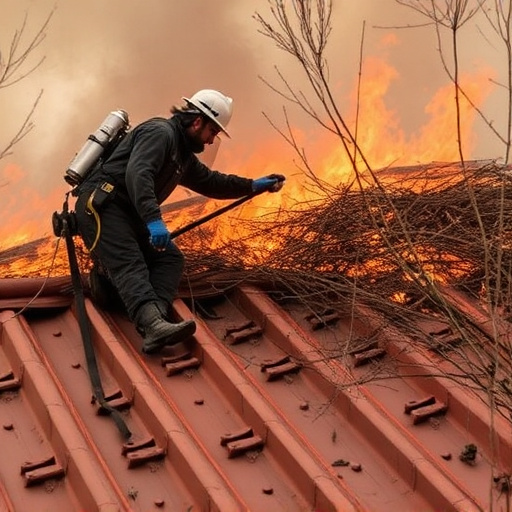
Wildfire embers, a significant hazard in Oro Valley's climate, can be a particular concern for homeowners with metal roofs. Metal roofs and wildfire embers have a complex relationship. While metal roofs offer certain fire-resistant properties, their performance in the face of embers is not inherent but depends on installation, fastener type, and material quality. An experienced Oro Valley roof specialist recommends proactive measures to safeguard your home and roof.
Kynar 500, a highly durable polymer coating, is a top choice for metal roofing due to its superior heat resistance. When properly applied, Kynar 500 can significantly reduce the risk of melting or damage from wildfire embers. However, it's not just the roof material that matters. The use of neoprene washers, a type of seal that prevents water intrusion, also plays a crucial role in mitigating the effects of embers. These washers create a barrier that helps contain any potential fire spread, further enhancing the roof's protection.
Proper fastener selection is another critical aspect. Exposed fasteners, such as nails, can become hot enough to ignite surrounding materials during a fire. To mitigate this risk, consider using hidden fasteners or those designed for high-temperature applications. The Oro Valley Building Department and local Homeowners Associations (HOAs) often have guidelines regarding fastener choice for fire safety, so consult these resources and your installer. Regular maintenance, including checking for loose screws and re-tightening, is also essential to prevent embers from finding weak points.
Lightning strikes pose an additional risk, not just to structures but also to metal roofs. Lightning can cause significant damage, and a metal roof's reflective properties can sometimes attract it. To safeguard against this, ensure your roof is properly grounded, adhering to local electrical codes and National Roofing Contractors Association (NRCA) guidelines. This measure, coupled with high-quality underlayment and flashing, can help protect against both fire and lightning hazards.
Frequently Asked Questions About an explainer on noise, expansion and fastener care on metal roofs
What is the primary concern when installing metal roofs regarding noise?
Noise control is critical, especially in urban areas. Metal roofs can be noisy during installation due to the impact of tools and the movement of panels. To mitigate this, professionals use noise-reducing underlayments, install the panels in a specific pattern to absorb sound, and employ specialized fastening techniques that minimize vibrations.
How do metal roofs expand and contract with temperature changes?
Metal expands and contracts significantly with temperature fluctuations. This movement can cause panels to loosen or warp over time. High-quality metal roofs are designed with this in mind, featuring built-in expansion joints and flexible fastening systems that allow for movement without damage. Regular maintenance inspections are crucial to address any signs of thermal expansion issues promptly.
What types of fasteners are best for securing metal roofs?
For optimal performance and longevity, self-drilling, self-tapping screws specifically designed for metal are recommended. These fasteners create their own holes, minimizing the risk of splitting the panel. It's important to use corrosion-resistant (galvanized or stainless steel) fasteners to prevent rusting and ensure a secure, lasting connection.
How often should metal roof fastener care be performed?
Regular inspection is key. Fastener care should be performed at least once per year to check for loosening or corrosion. Tighten any loose fasteners and replace any that are damaged or showing signs of wear. In areas prone to extreme weather, more frequent inspections may be necessary.
Can metal roofs withstand extreme weather conditions?
Absolutely. Metal roofs are designed to withstand high winds, heavy rain, snow, and extreme temperatures. When installed correctly with proper fastening and underlayment, they offer superior durability and protection against the elements compared to many other roofing materials.
As we've explored the unique considerations of metal roofs in Oro Valley's Spanish and Santa Fe styles, several key insights stand out. First, understanding and managing metal roof noise, often a concern in urban settings, is crucial. Proper installation and material choices can significantly reduce the "rain on metal" effect. Second, metal's inherent strength demands thoughtful treatment of expansion and contraction, preventing damage from thermal expansion and contraction. This includes using appropriate underlayment and flashing details.
Third, fastener care is essential for both structural integrity and fire safety. Ensuring metal panels are securely fastened with hidden or exposed fasteners, depending on design preferences and local building codes, is non-negotiable. A critical aspect of this is preventing loose screws, which can lead to leaks and rust.
As we've discussed, metal roofs and wildfire embers pose unique risks. Homeowners should prioritize fire-resistant underlayments and consider strategic landscaping to mitigate embers' impact. Regular maintenance, including checking for loose fasteners and signs of rust, is vital for longevity.
While metal roofs offer durability and low maintenance, their installation and upkeep demand careful consideration. By heeding these guidelines, Oro Valley homeowners can enjoy the aesthetic appeal and practical benefits of metal roofing while safeguarding their investment and ensuring safety against the region's specific environmental challenges.
Metal roofs, while known for their durability, can raise concerns about noise and fire safety, especially in Oro Valley's diverse climates. To mitigate these issues:
- Noise: Use hidden fasteners and PVDF coating on fastener heads to reduce noise from expanding and contracting metal during extreme weather.
- Fire Safety:
- Choose high-quality fasteners that meet or exceed building codes and fire standards.
- Use synthetic underlayments like Galvalume for superior fire resistance.
- Select Kynar 500 coated panels for enhanced heat resistance.
- Implement neoprene washers for better ember containment.
- Follow local electrical codes and NRCA guidelines for lightning protection.
Regular maintenance, including fastener checks and tightening, is crucial for both noise reduction and fire safety.